Best Vacuum Attachments And Brushes For Pet Hair On Sofas, Carpets, And Car Seats

Pet hair is stubborn. It weaves into sofa fabric, buries itself in carpet pile, and somehow ends up in every seam of your car seats. The good news? You don’t need a brand-new vacuum—you need the right attachments and brushes for the surface you’re cleaning. 🐾
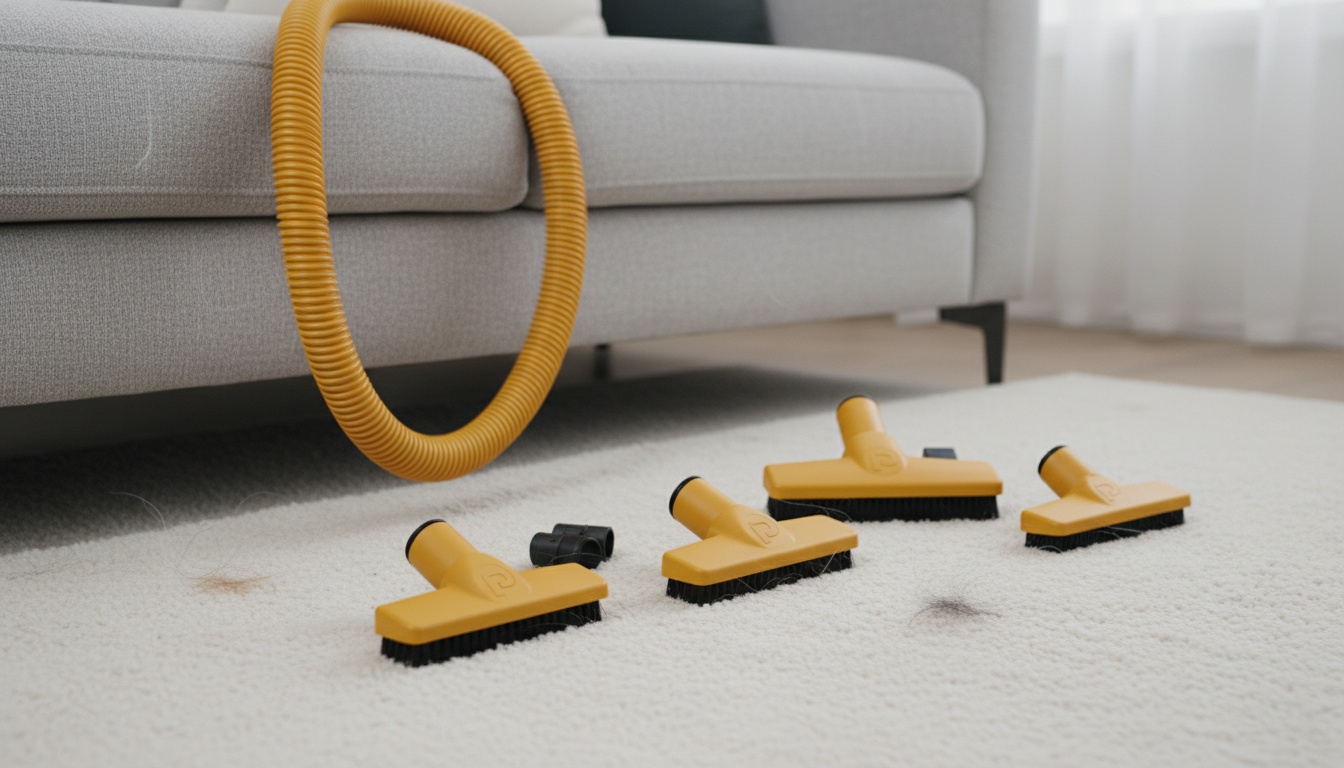
This guide breaks down the best vacuum attachments and brushes for pet hair on sofas, carpets, and car seats, what they’re best at, what to avoid, and how to use them so you actually see results (not just hair moving around).
Quick reality check: why pet hair is hard to vacuum
Pet hair doesn’t behave like dust. It’s light, staticky, and “hooks” onto fibers—especially on upholstery, rugs, and car fabric. And in humid places like Cagayan de Oro, hair + skin flakes + moisture can also contribute to musty smells over time.
What works best is a combo of:
- Agitation (bristles, rubber fins, or a rotating brush) to loosen hair
- Airflow + sealed suction to lift and capture
- Targeted tools to reach seams, corners, and tight fabric textures
The 7 attachments that matter most (and what each one does)
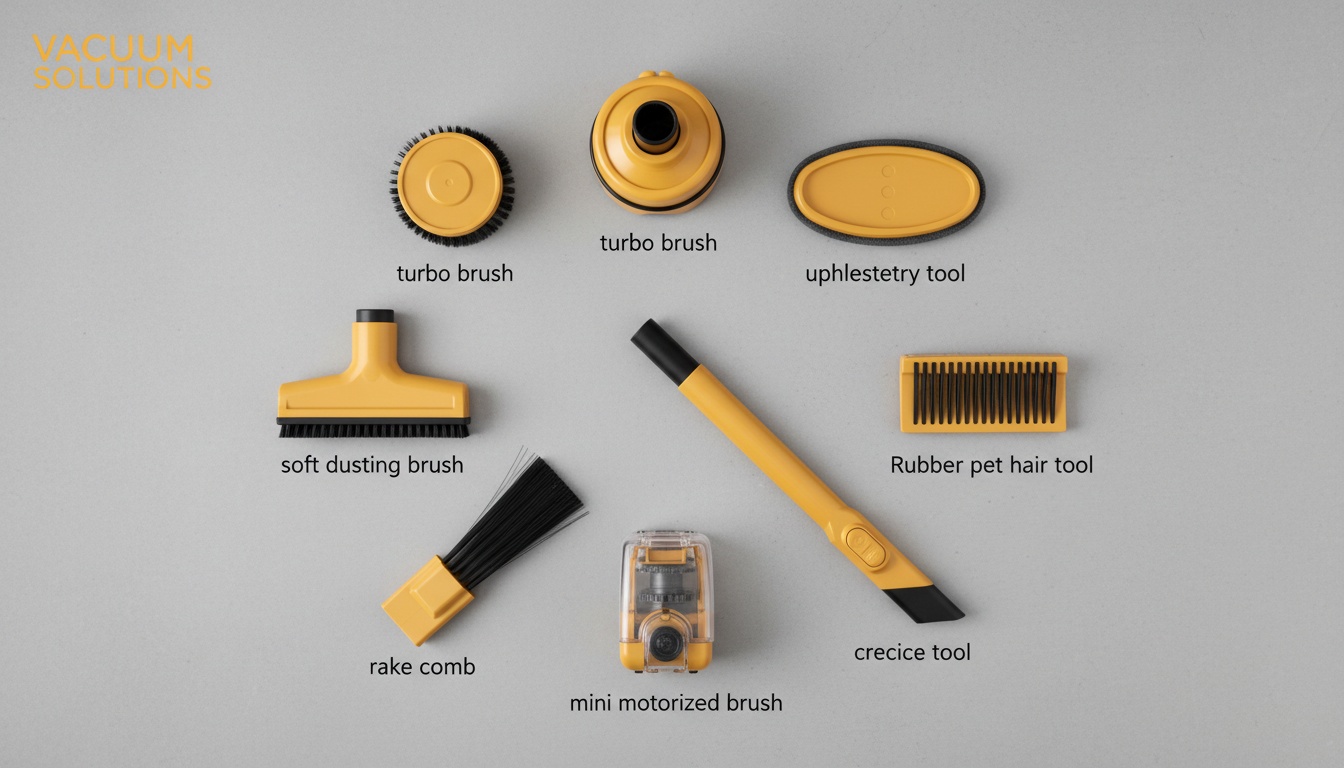
Here’s the shortlist you should care about if pet hair is your main problem.
| Attachment / Brush | Best for | Why it works for pet hair | Watch-outs |
|---|---|---|---|
| Mini motorized brush / turbo tool | Sofas, mattresses, carpeted stairs, car seats | Rotating brush lifts hair embedded in fabric | Can snag delicate weaves; needs regular de-tangling |
| Upholstery tool (wide nozzle, lint-strip style) | Sofas, cushions, upholstered chairs | Wide pickup path + fabric “lip” helps gather hair | Not enough agitation alone for heavy shedding |
| Rubber pet hair tool (squeegee-style) | Sofas, car seats, rugs | Rubber creates friction/static that clumps hair | Not always included—often aftermarket |
| Crevice tool (thin nozzle) | Sofa seams, seat rails, corners, edges | Concentrates suction where hair hides | Too narrow for large areas; use after loosening hair |
| Stiff bristle brush (pet brush head) | Durable upholstery, textured carpets | Strong agitation pulls hair up fast | Can fuzz or damage delicate fabric—test first |
| Soft dusting brush | Leather, dashboards, delicate sofa fabric | Gentle bristles lift light hair without scratching | Won’t remove embedded hair on its own |
| Carpet rake / grooming comb (manual) | High-pile carpets, area rugs | Breaks hair “webbing” so vacuum can capture it | Manual step—but huge payoff on thick pile |
The takeaway is clear: suction alone is rarely enough. You need agitation or rubber friction to pull hair free first.
Best vacuum attachments for pet hair on sofas (fabric, linen, microfiber)

Sofas collect hair in the exact worst places: cushion seams, armrests, and backrest edges. Your goal is to loosen hair without damaging the fabric.
1) Mini motorized brush: the sofa game-changer
If you buy only one “pet upgrade,” make it this.
- Best for: microfiber, durable fabric upholstery, mattress tops
- Why: the rotating brush pulls hair out of weave patterns that a plain nozzle glides over
How to use it (fast but effective):
- Remove cushions and vacuum the base first.
- Run the mini brush slowly in overlapping passes.
- Switch to the crevice tool for seams and corners.
- Clean the brush roll right away—hair wrap kills performance.
2) Rubber pet hair tool: for the “stuck to the fabric” problem
Rubber tools work ridiculously well on pet hair because they grab and clump it.
- Best for: woven fabric, car seats, low-pile rugs
- Bonus: doesn’t rely on suction to do the heavy lifting
3) Upholstery tool + crevice tool combo: the professional standard
For routine maintenance, this combo is efficient and safe for most fabrics:
- Upholstery tool for surface hair
- Crevice tool for seams (where 50% of the hair is hiding, let’s be honest)
If your sofa smells “kulob” or feels dusty even after vacuuming, you may be dealing with deeper buildup (hair, dander, and oils). That’s where periodic professional upholstery cleaning helps—especially in humid conditions. You can check what’s included in PrimeShineCDO’s cleaning service options when you’re ready to go beyond DIY.
Best vacuum brushes for pet hair on carpets (low pile to high pile)
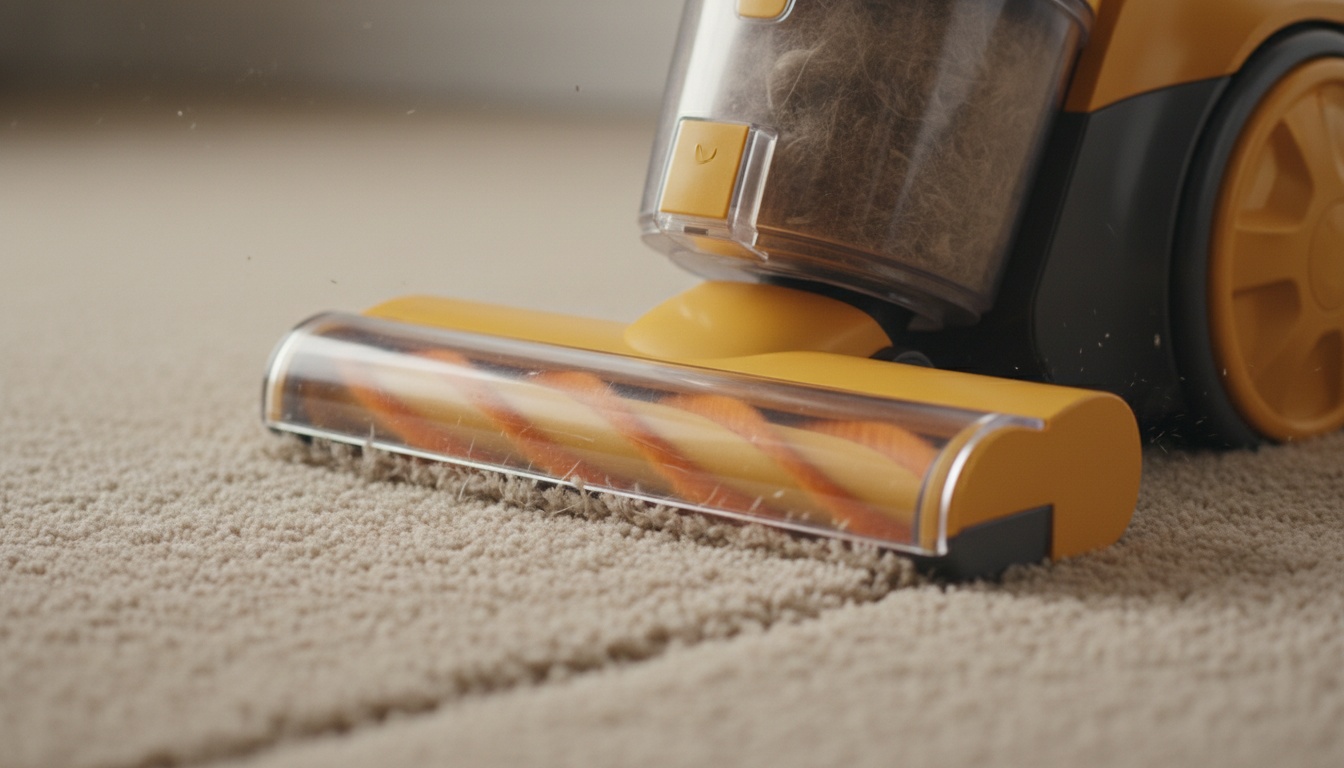
Carpets are where pet hair becomes a “hidden layer.” The right head depends on carpet type.
For low-pile carpets (most condo and office carpets)
Use:
- Motorized floorhead / beater bar (if your vacuum has one)
- Stiff bristle brush attachment for spot areas (edges, under furniture)
Why it works: low pile holds hair near the surface, but it still needs brush agitation to unhook strands.
For medium to high-pile carpets and rugs
Use:
- Carpet rake (manual) first, then vacuum
- Motorized head afterward for deep lift
This two-step feels extra, but it’s the fastest way to stop doing 10 vacuum passes that don’t change anything.
Edge cleaning matters more than you think
Pet hair collects where airflow is weakest:
- Along baseboards
- Under sofa edges
- Where carpet meets tile
So after your main vacuum pass, run a crevice tool along edges. It’s a small step that makes the room look actually clean. ✨
If you’re comparing other essential tools for small spaces (common in condos and apartments), this guide pairs well with your setup: best cleaning tools for small apartments.
Best vacuum attachments for pet hair in car seats (fabric, leather, and tight seams)
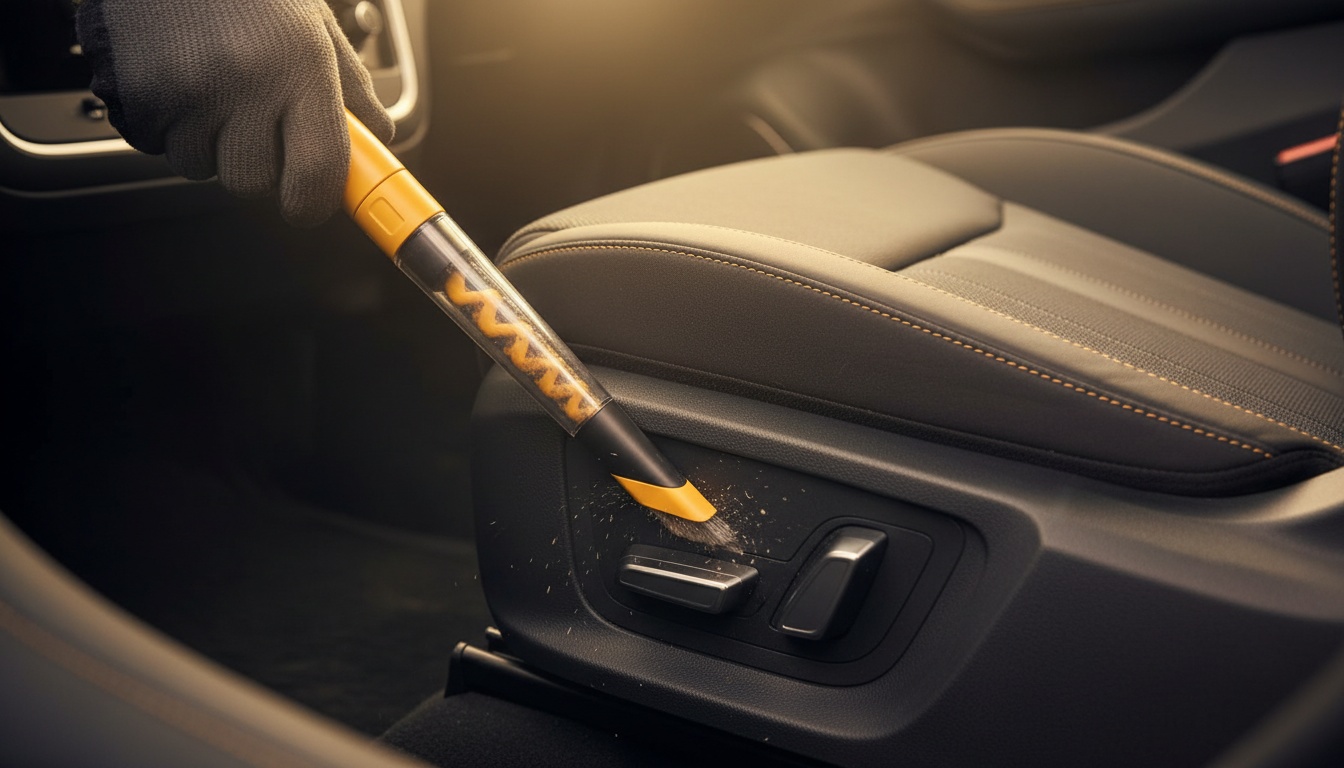
Car seats are basically hair traps with zippers. The winning combo is mini motorized brush + crevice tool + soft brush.
Fabric car seats
Use:
- Mini motorized brush on seat and backrest
- Rubber pet hair tool for stubborn embedded hair
- Crevice tool between seat and console + along rails
Order matters: loosen first (brush/rubber), then suction (vacuum). Otherwise you just smear hair around.
Leather or leatherette seats
Use:
- Soft dusting brush (to avoid scratches)
- Crevice tool carefully along seams
Skip stiff bristles on leather—they can leave scuffs, especially if there’s fine dust acting like grit.
Watch this: attachment technique that actually lifts hair (not just moves it)
You’ll get better results if you see the technique in action—especially for upholstery and tight seams.
Buying guide: how to choose the right pet hair attachment (without wasting money)
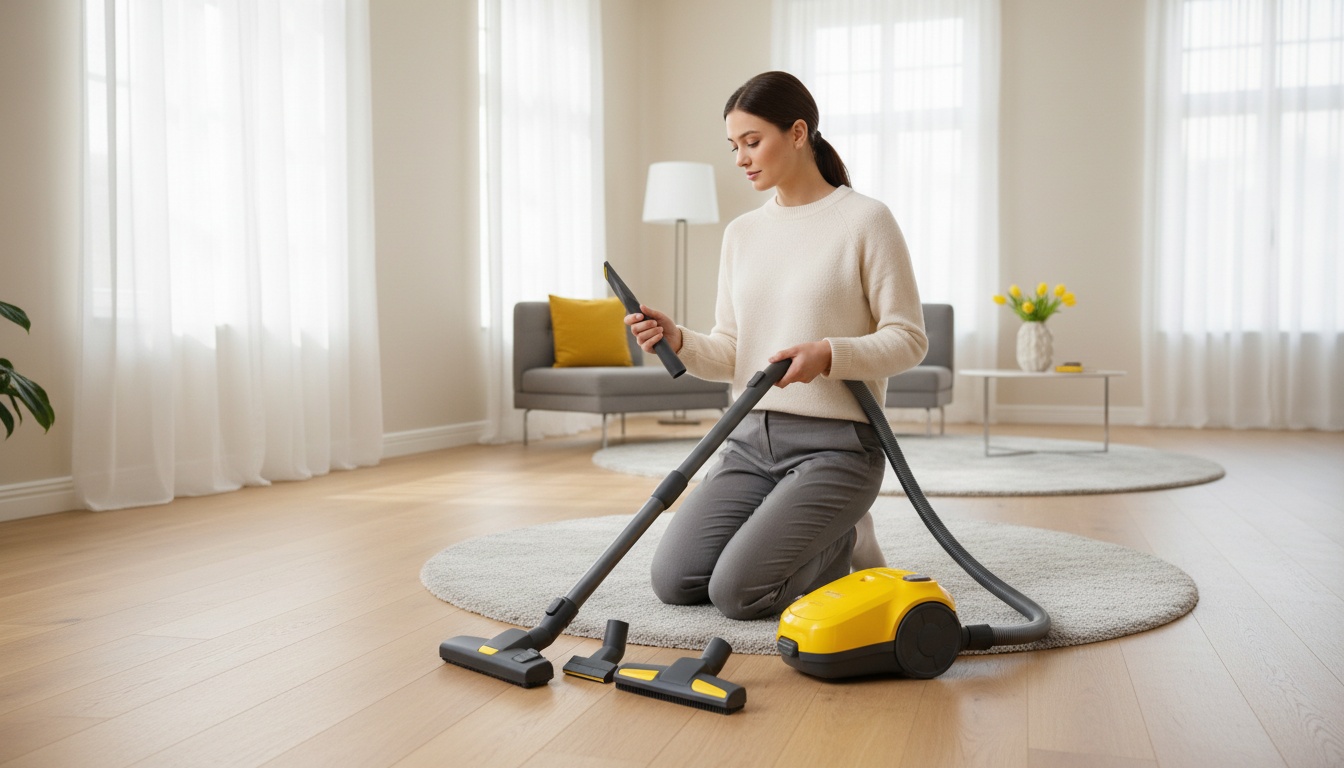
Before you check out, make sure the tool will actually fit your vacuum and your surfaces.
1) Check compatibility (diameter + brand adapters)
- Many vacuums use 32mm or 35mm wands/hoses
- Some brands need a click-in proprietary connector
- Aftermarket kits often include adapters—good value if you’re unsure
2) Choose the right “hair remover” type for the surface
- Rubber: best for upholstery + car fabric, gentle and effective
- Motorized: best for embedded hair (sofas, car seats, stairs)
- Stiff bristles: best for durable textiles, worst for delicate weaves
- Soft brush: best for leather, dashboards, delicate fabrics
3) Consider your pet’s coat type
- Short hair (e.g., Aspin, Beagle): rubber + upholstery tool works great
- Long hair (e.g., Shih Tzu): motorized brush helps prevent “threading” into fabric
- Double coat (e.g., Husky-type): expect more undercoat—carpet rake becomes valuable
Pet hair removal checklist (sofas, carpets, and car seats)

Use this when you want a reliable routine, not a once-a-month panic clean.
Sofas (10–20 minutes)
- Remove cushions; vacuum base with crevice tool
- Vacuum cushions using mini motorized brush
- Use rubber tool on stubborn areas
- Finish with upholstery tool for surface lint
Carpets (15–30 minutes)
- For high pile: carpet rake first
- Vacuum with motorized floorhead
- Run crevice tool along room edges
Car seats (10–25 minutes)
- Mini motorized brush on seat fabric
- Crevice tool in seams/rails
- Soft brush for leather + dashboard dust
Common mistakes that make pet hair “impossible”

You can have the best attachment and still lose if these are happening:
- Brush roll packed with hair → it stops agitating and just skates over the surface
- Filter clogged → airflow drops, hair doesn’t lift
- Vacuuming too fast → you need slow passes for hair to release
- Wrong head on wrong surface → stiff bristles on delicate fabric can cause fuzzing
- Skipping seams and edges → hair builds up where you don’t notice until it’s bad
When DIY isn’t enough (and what pros do differently)

If pet hair is mixed with dander, oils, spills, and odor, vacuuming is only step one. Professional cleaning helps when:
- Your sofa still feels dusty after vacuuming
- Carpet looks flat, smells musty, or triggers allergies
- You’re preparing for guests, tenants, or move-out turnover
PrimeShineCDO Cleaning Services handles fabric and floor care with a checklist-driven process—so you get consistent results, not “pwede na.” You can explore PrimeShineCDO’s full cleaning services or browse more practical home-care guides on the PrimeShineCDO blog.
If you want to ask what’s best for your specific sofa fabric, carpet pile, or car interior, reach out here: contact PrimeShineCDO Cleaning Services. 📩
FAQs: best vacuum attachments and brushes for pet hair on sofas, carpets, and car seats
What’s the single best attachment for pet hair on upholstery?
A mini motorized brush (turbo tool) is the most effective all-around for sofas and car seats because it combines agitation + suction.
Is rubber better than bristles for pet hair?
On upholstery and car fabric, rubber often works better because it clumps hair without damaging fabric. Bristles can be faster on durable surfaces, but risk fuzzing on delicate upholstery.
Why does my vacuum leave hair behind on carpet?
Usually it’s one of these: low airflow (clogged filter), brush roll wrapped with hair, vacuuming too fast, or using a head without agitation. For thick carpets, add a carpet rake step first.
How do I remove pet hair from car seat seams?
Use the crevice tool slowly along seams and rails, then follow with a mini motorized brush on the flat areas. If hair is embedded, loosen first with a rubber tool.
If you match the attachment to the surface—and you clean in the right order—pet hair stops being a never-ending battle. It becomes a routine you can actually finish. 🧼🐶