Cleaning After A Stomach Flu Or COVID At Home: What To Disinfect, What To Wash, And How Long To Isolate Germs On Surfaces
Cleaning after a stomach flu or COVID at home: what to disinfect, what to wash, and how long to isolate germs on surfaces—plus quick steps for bathrooms, kitchens, and high-touch spots.
Mar 25, 2026
Need a spotless space without interruptions?
PrimeShineCDO Cleaning Services uses punctual teams, clear checklists, and efficient cleaning methods for residential cleaning, sofa cleaning, carpet cleaning, and post-construction cleaning.
Contact UsIf you’re recovering from stomach flu (viral gastroenteritis) or COVID at home, cleaning isn’t just about “making it smell nice.” It’s about breaking the chain of infection—especially in shared bathrooms, kitchens, and high-touch surfaces. 🧼✨
This guide answers the exact question people search for: cleaning after a stomach flu or COVID at home: what to disinfect, what to wash, and how long to isolate germs on surfaces—with practical steps you can do in a typical PH household.
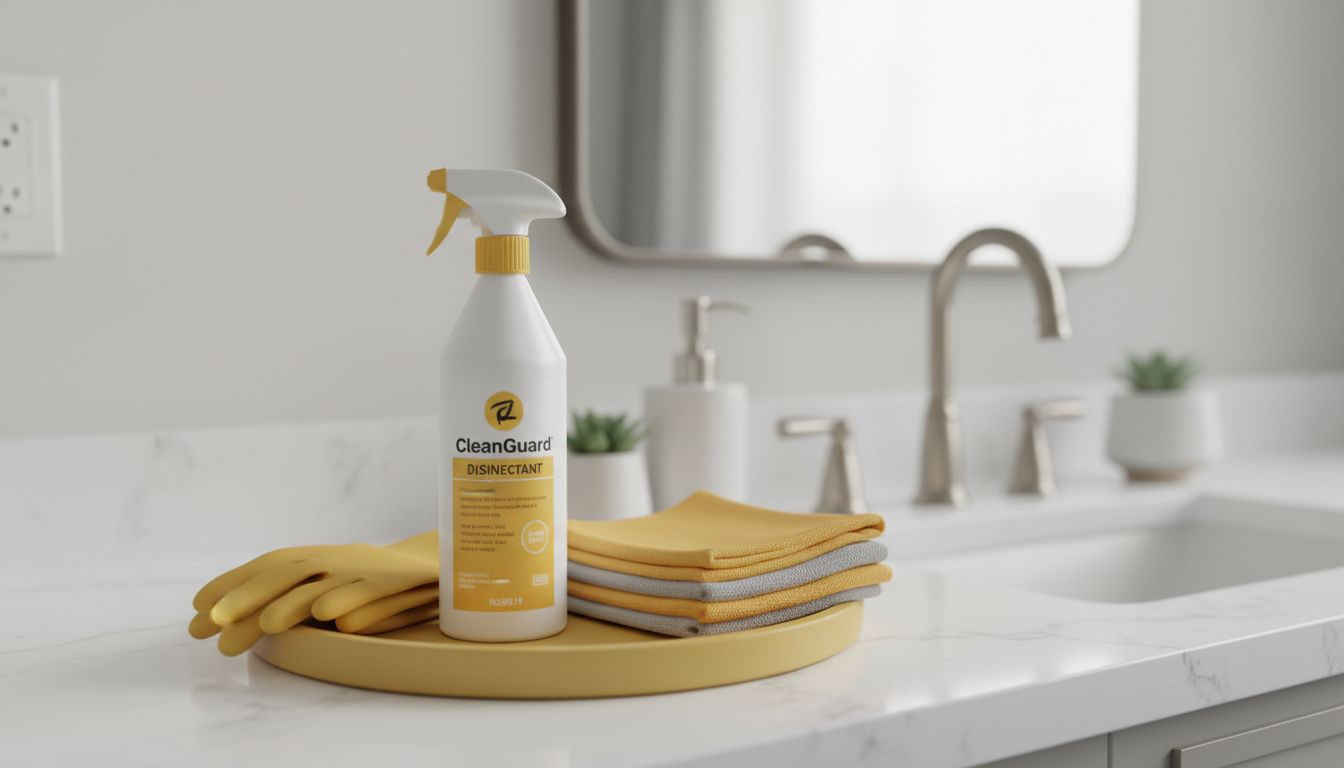
First: stomach flu vs COVID—what makes them different for cleaning?
Both can spread through contaminated hands and high-touch surfaces, but stomach flu (often norovirus/rotavirus) is notorious for being hardy and for spreading through vomit/diarrhea particles. COVID spreads mainly through airborne droplets/aerosols, but surfaces can still matter—especially when you touch your face after touching a contaminated object.
The big takeaway
- Stomach flu: prioritize bathroom disinfection, laundry handling, and any vomit/diarrhea cleanup.
- COVID: prioritize ventilation, high-touch disinfection, and shared electronics/handles—plus smart isolation.
Quick safety setup (before you touch anything) ✅
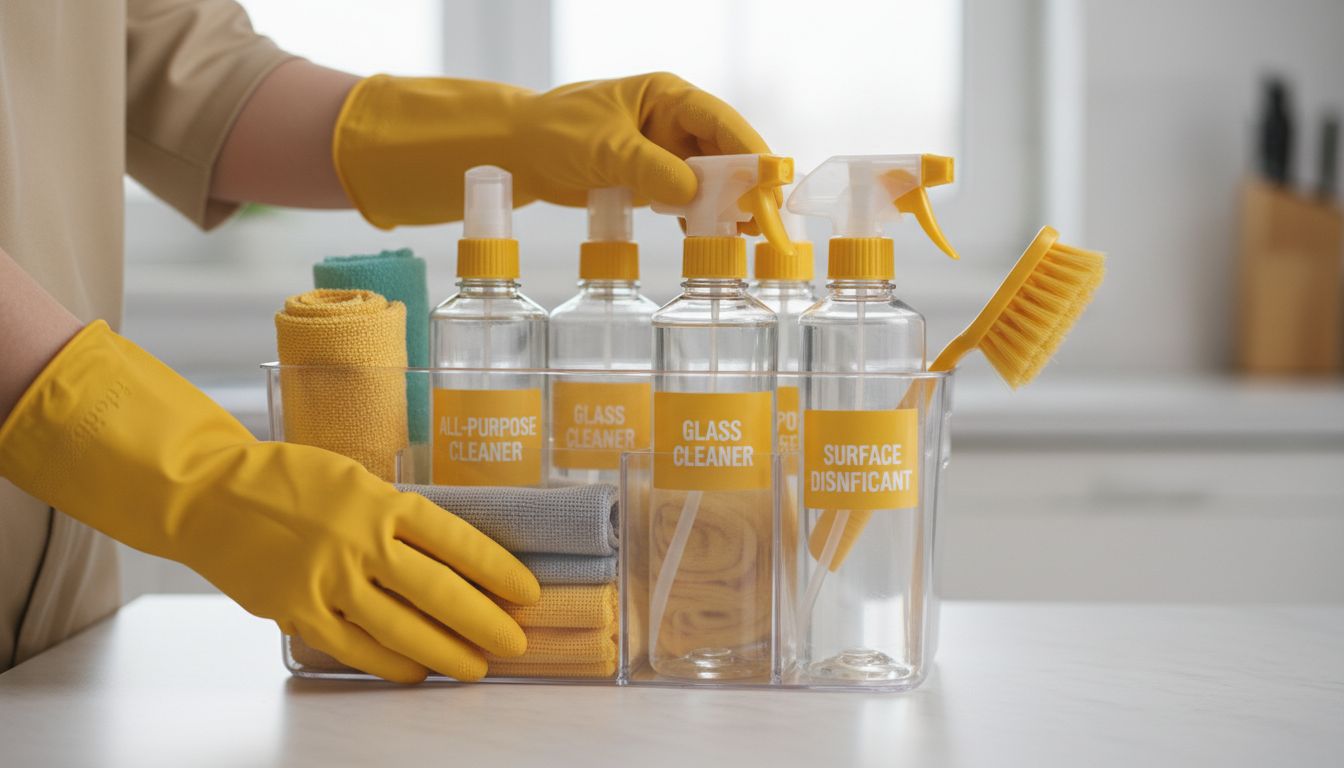
Do this first to avoid spreading germs room-to-room:
- Wear disposable gloves (and a mask if you’re cleaning vomit/diarrhea).
- Open windows for airflow where possible.
- Prepare two sets of cloths:One for bathroomOne for kitchen/bedroom/living
- Use separate mop heads if you can (or disinfect after).
- Never mix cleaners:Do not mix bleach with ammonia, vinegar, or acids. (Toxic fumes.)
If you want to level up your cloth system, this guide helps: Microfiber cloth types, GSM, and washing tips
How long can germs “isolate” on surfaces? (Simple table)
Let’s be honest: people want a number. The reality is messy—survival depends on surface type, temperature, humidity, and sunlight. But you can use these practical ranges to decide what needs urgent disinfection vs normal cleaning.
| Germ / Illness | Typical surface survival (practical range) | Highest-risk surfaces | What this means for you |
|---|---|---|---|
| Stomach flu viruses (often norovirus) | Days to 2+ weeks on some surfaces | Bathroom fixtures, faucets, toilet flush handles, floors near toilet, trash lids | Disinfect aggressively—especially bathrooms. Don’t rely on “it’s been a day.” |
| COVID-19 (SARS‑CoV‑2) | Hours to a few days (usually less over time) | Phones, remotes, door handles, shared desks | Focus on high-touch disinfection + ventilation. Surface risk drops faster than stomach flu. |
| General “cold/flu” viruses | Hours to a few days | Toys, handles, tabletops | Routine disinfection helps during illness waves. |
If someone had vomiting/diarrhea, treat the area like a “bio zone” and disinfect the same day. Waiting it out isn’t a strategy. ⚠️
What to disinfect (high priority checklist) 🧴
Disinfect means you’re using a product that kills germs (and you’re letting it sit for the correct contact time on the label). Cleaning first (removing dirt) makes disinfecting work better.
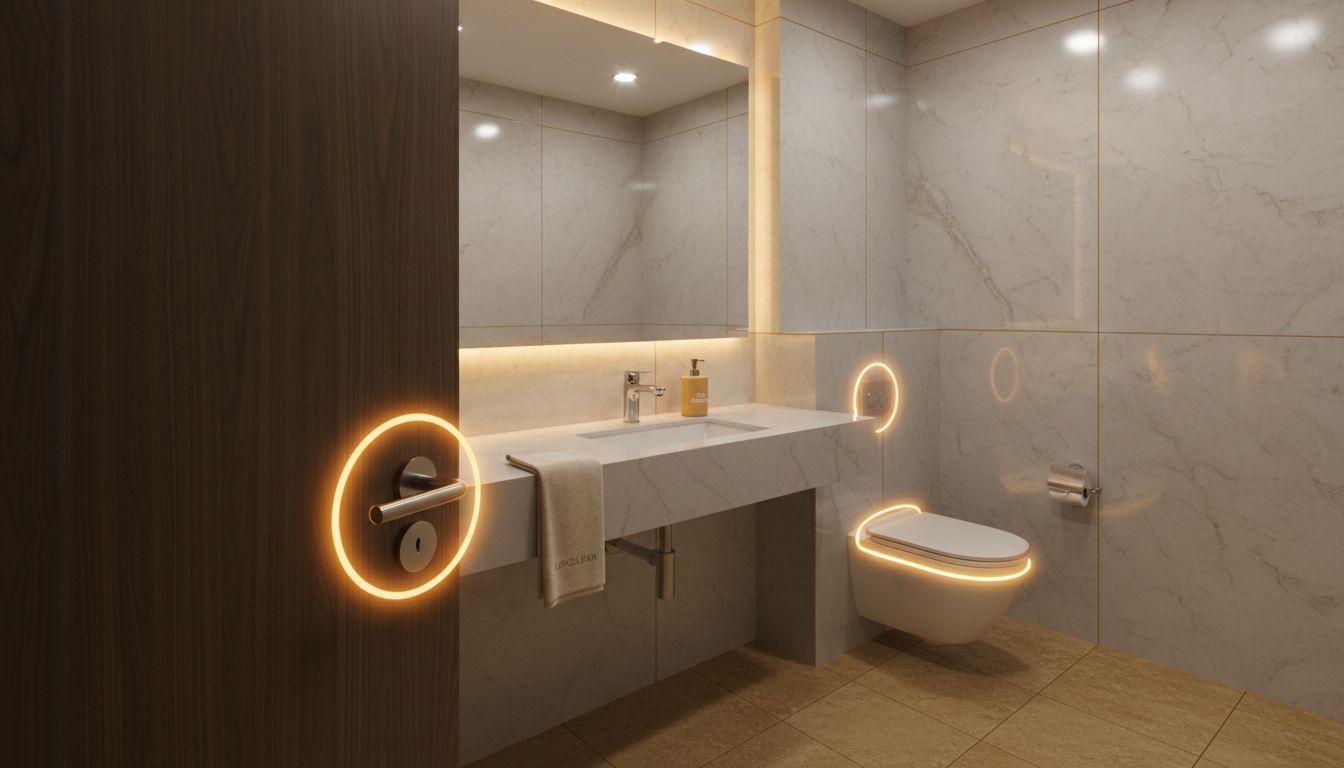
Bathroom (top priority after stomach flu)
- Toilet seat, lid, rim, flush handle/button
- Bidet sprayer handle/nozzle area (external surfaces)
- Faucet handles, sink rim, countertop edges
- Soap dispenser, toothbrush holder area (move toothbrushes away)
- Light switches, door knobs
- Floor around toilet (splash zone)
- Trash can lid and exterior
Bedroom & living spaces (both illnesses)
- Door knobs, cabinet pulls, drawer handles
- Bedside tables and lamp switches
- Phones, tablets, remotes, keyboards/mouse
- Water bottle surfaces, reusable tumblers
- Shared desks and chair armrests
Kitchen (important if stomach flu is in the house)
- Fridge handle, microwave handle/buttons
- Countertops (especially near where meds/food are placed)
- Sink faucet handles
- Dining table surface and chair backs
- Trash can lid
What to wash (and how) 🧺
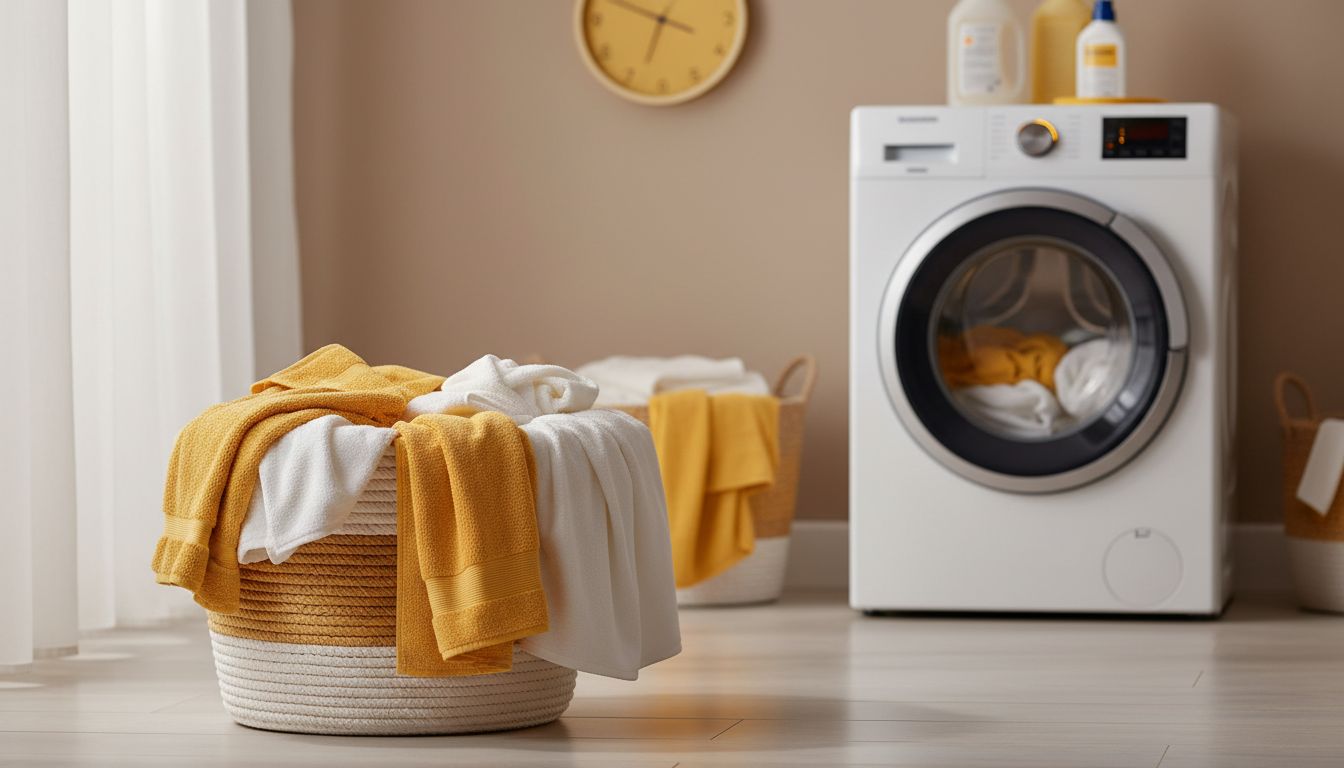
Laundry is where a lot of people accidentally re-contaminate their hands and surfaces. Do it like this:
Wash these ASAP
- Bedsheets and pillowcases of the sick person
- Towels, bathmats (especially after stomach flu)
- Clothes worn during illness, especially after accidents
- Cleaning cloths used in the bathroom
How to wash (simple, effective rules)
- Handle with gloves if visibly soiled.
- Don’t shake laundry (it can spread particles).
- Use regular detergent.
- Use the warmest water safe for the fabric.
- Dry thoroughly (dryer heat helps; if line-drying, ensure full sun when possible).
Soft items you forget (but shouldn’t)
- Throw blankets on the couch
- Pillow protectors
- Reusable grocery bags
- Fabric tote bags used for meds/food
The correct way to disinfect (so it actually works)
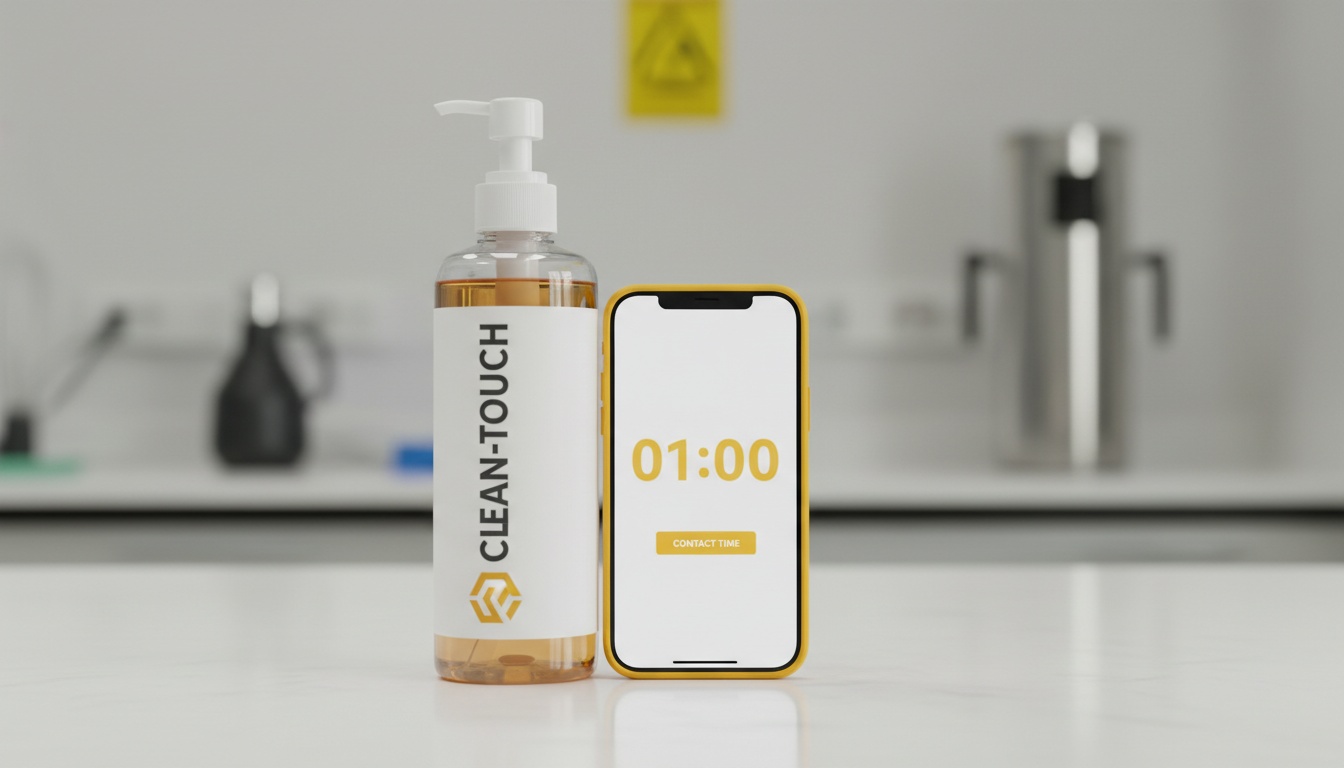
Disinfectants fail for three common reasons:
- Surface is still dirty
- Product is too diluted or wrong for the germ
- You wipe it dry too fast (no contact time)
A practical 2-step method
- Clean first: soap and water or an all-purpose cleaner to remove grime.
- Disinfect next: apply disinfectant and keep the surface wet for the label’s required time.
If you’re dealing with stomach flu, choose a disinfectant that’s effective for tough viruses. If unsure, bleach solutions are commonly used—just follow safe dilution and ventilation practices.
Stomach flu cleanup: vomit/diarrhea accidents (what to do immediately) 🚨
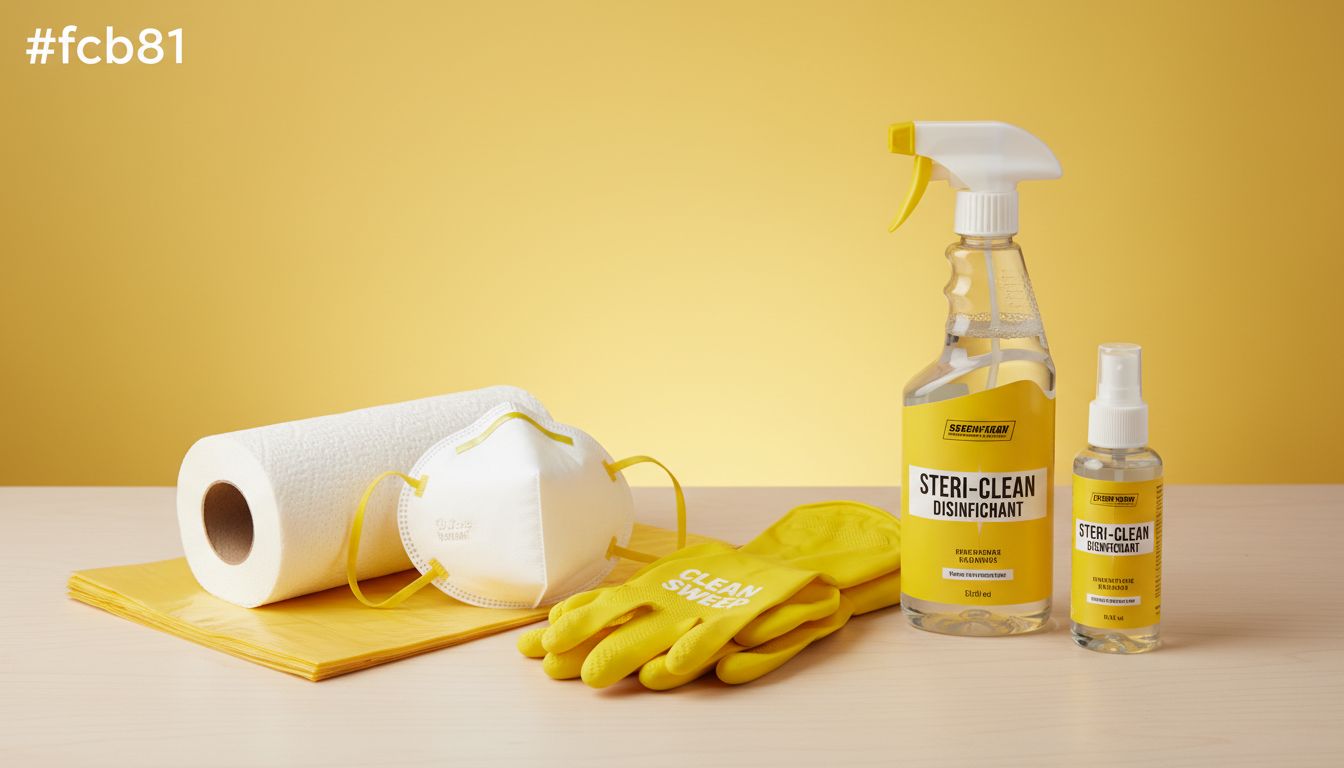
This is the highest-risk moment for spreading stomach flu.
Step-by-step
- Ventilate the room. Keep kids/pets out.
- Put on gloves + mask (and eye protection if available).
- Cover the mess with paper towels to absorb.
- Scoop/wipe into a disposable bag; seal it.
- Clean the area with detergent/soap and water.
- Disinfect the area and a wider perimeter than you think (splatter happens).
- Wash hands thoroughly with soap and water (not just sanitizer).
What to disinfect around the accident zone
- Nearby floor area
- Baseboards
- Trash can exterior
- Door handle exiting the room
- Any item carried through the area (bucket, towels, etc.)
COVID at home: cleaning priorities that actually matter 😷
COVID home control is a combo of isolation + airflow + high-touch disinfection.
Focus your energy here
- Improve ventilation (open windows, use fans to exhaust air outward if possible).
- Disinfect shared high-touch items daily:Door handles, light switches, fridge handlePhones/remotes (use appropriate wipes; don’t soak electronics)Bathroom faucet/flush if shared
Don’t overdo “deep disinfection”
If no one is actively sick anymore, you don’t need to bleach every wall. Targeted, high-touch cleaning is the smart, sustainable approach.
How long should you isolate at home? (And what cleaning has to do with it)
Cleaning helps—but it doesn’t replace isolation guidelines. Use these common-sense, home-friendly rules (and follow current local health guidance when available).
For stomach flu (household rule of thumb)
- Stay home until symptoms stop.
- Ideally, avoid preparing food for others for at least 48 hours after the last vomiting/diarrhea episode.
- Keep bathroom disinfection strict during this window.
For COVID (practical approach)
- Isolate during the most contagious period (especially early days).
- Continue high-touch disinfection and ventilation while anyone is symptomatic.
The point: People spread germs more than furniture does. Cleaning is your backup layer, not the only layer.
Room-by-room checklist (fast, no guesswork)
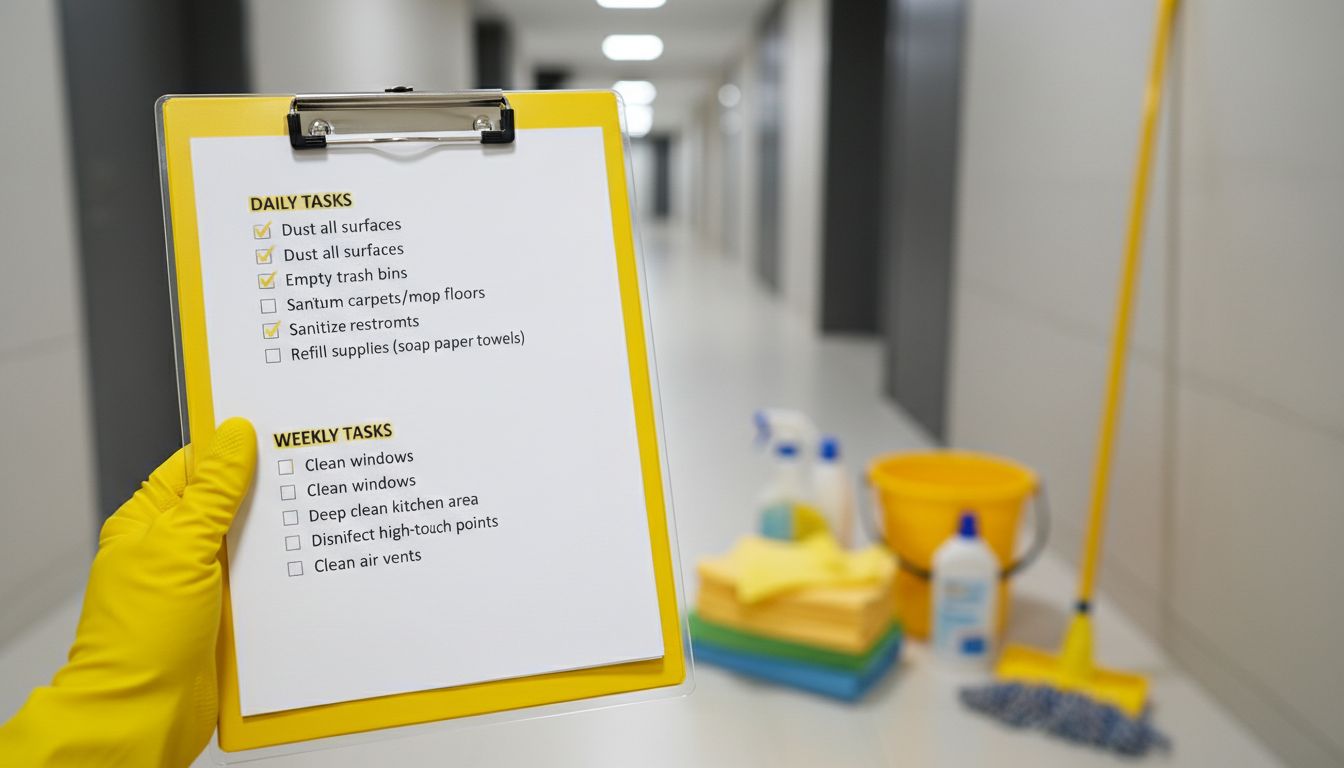
Bathroom (do this daily while someone is sick)
- Disinfect: toilet, flush, faucet handles, sink, switches, door knobs
- Replace: hand towel (use paper towels if possible)
- Wash: bathmats/towels frequently
Bedroom (sick person)
- Wash: sheets, pillowcases, pajamas
- Disinfect: bedside table, phone, remotes, door knob
- Empty trash daily (tissues, wipes)
Kitchen
- Disinfect: fridge handle, counters, sink handles, dining table
- Wash: reusable cups/utensils in hot soapy water
- Avoid shared snacks (chips bags, communal containers)
Living room
- Disinfect: remote, light switches, door handles
- Wash: throw blankets if used by sick person
Product choices (what works without damaging your home)
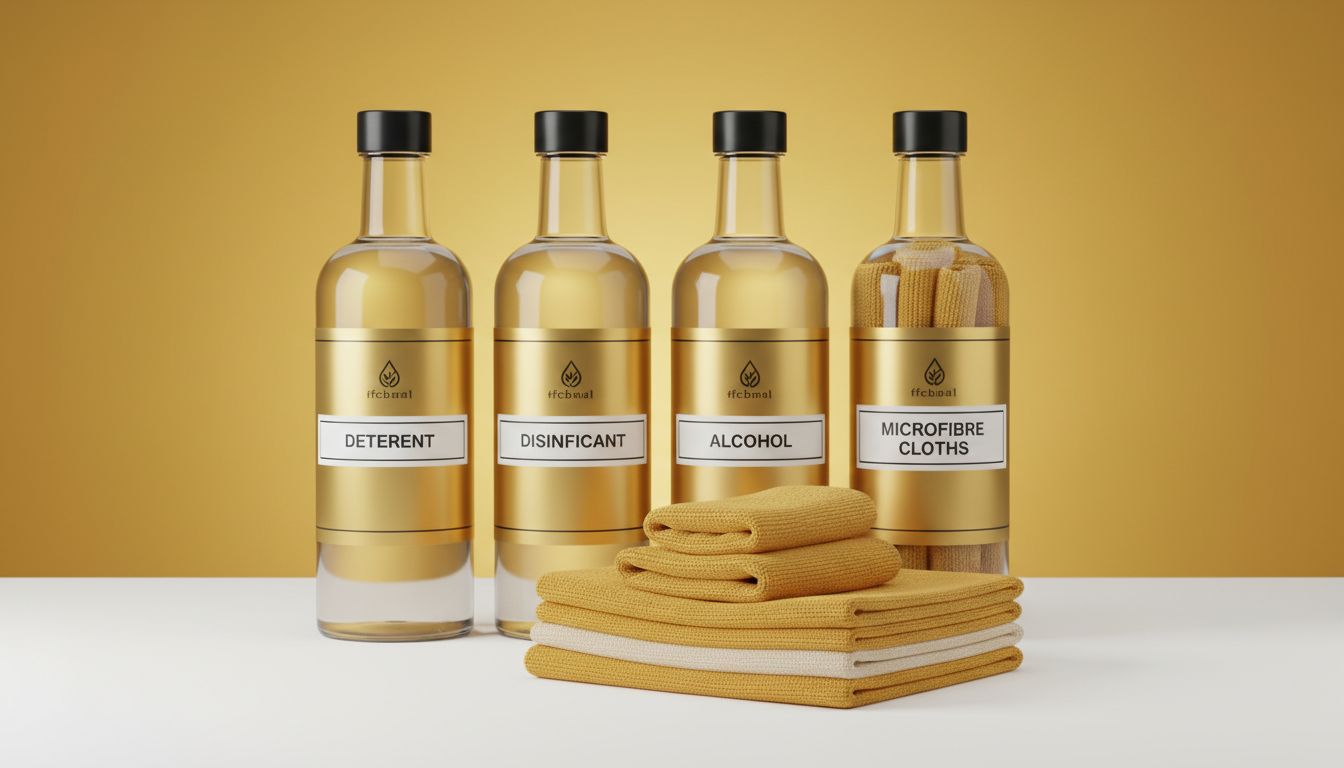
| Task | Best option | Watch-outs |
|---|---|---|
| Everyday cleaning (remove dirt) | Detergent + water / all-purpose cleaner | Cleaning alone doesn’t kill tough viruses |
| High-touch disinfection | EPA/label-approved disinfectant or alcohol-based wipes for small items | Don’t wipe dry immediately—follow contact time |
| Bathroom “hard reset” after stomach flu | Strong disinfectant suitable for viruses (often bleach-based) | Ventilate; never mix chemicals; protect fabrics/metals |
| Electronics | 70% isopropyl alcohol wipes (lightly used) | Don’t oversaturate ports/screens |
Common mistakes that keep reinfecting your household 😬
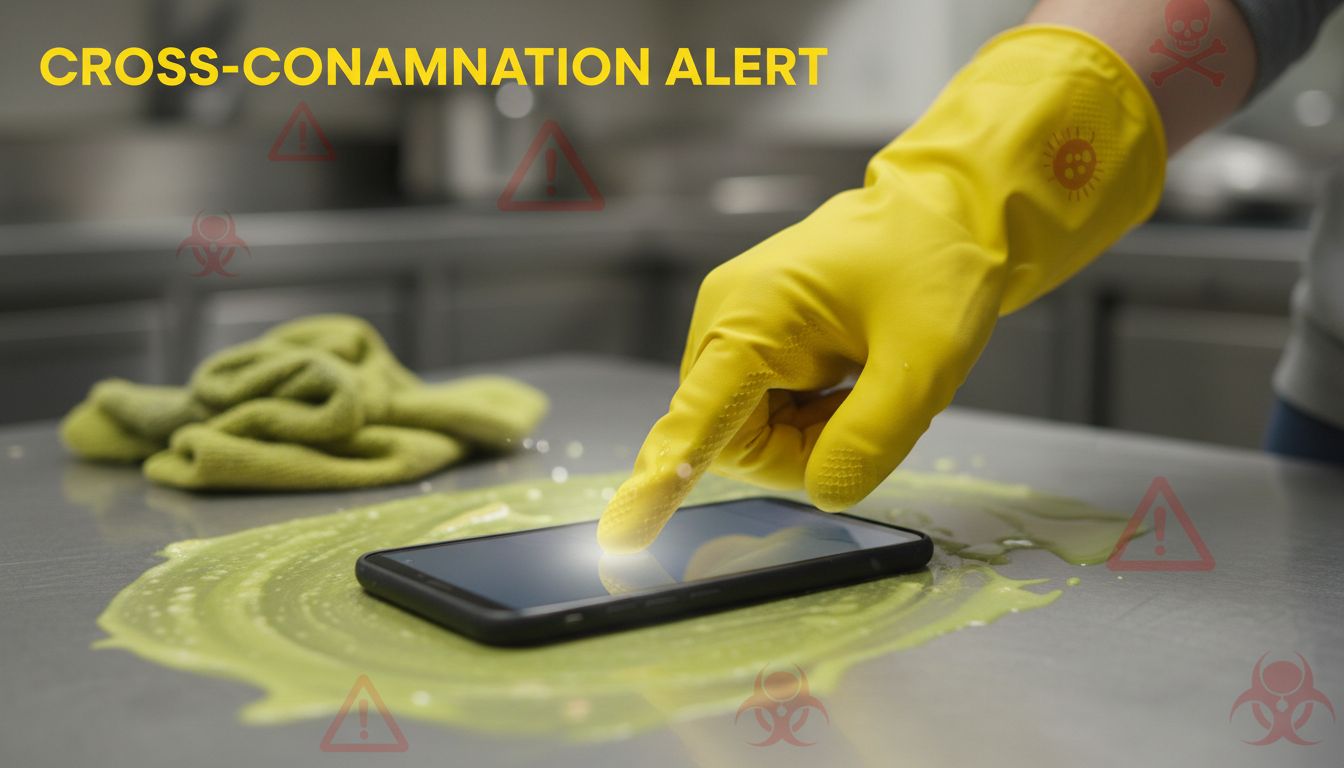
- Using the same rag for bathroom and kitchen
- Spraying disinfectant then wiping instantly
- Forgetting handles (fridge, bidet sprayer, cabinets)
- Not disinfecting the trash can lid
- Cleaning while sick and then touching your phone/face
- Skipping handwashing because you used sanitizer
When to call a professional cleaner (and what to ask for)
If your household is exhausted, you’re caring for kids/seniors, or there was significant vomiting/diarrhea contamination, hiring help can be the difference between “clean enough” and properly disinfected.
For services in Cagayan de Oro, you can check PrimeShineCDO’s cleaning services and request the right scope (targeted disinfection focus, bathroom priority, high-touch points, proper cloth separation).
If you’re comparing DIY vs hiring, this is worth reading: When hiring a professional cleaner pays off vs DIY
And if you’re booking a cleaner for a sensitive situation, use a vetting checklist: How to choose a trustworthy cleaner in Cagayan de Oro
Need to coordinate a schedule fast? Contact PrimeShineCDO to book a cleaning
FAQ: quick answers people ask after stomach flu or COVID
Do I need to disinfect everything in the house?
No. Focus on bathrooms, high-touch surfaces, and shared items. That’s where transmission risk lives.
Should I throw away toothbrushes?
If they were stored near an actively used toilet (especially without a cover), replacing them after illness is a reasonable move. Store brushes away from the toilet and keep them covered/inside a cabinet if possible.
Is hot water enough to kill germs on laundry?
Heat helps, but detergent + thorough drying matters too. Use the warmest setting safe for the fabric.
How long should I keep disinfecting after symptoms stop?
- Stomach flu: keep strict bathroom/high-touch disinfection for 48 hours after symptoms end.
- COVID: keep up high-touch cleaning and ventilation while someone is symptomatic and during the early recovery period.
The simple plan that works (printable mindset) 🧽
- Control people movement (isolation where possible)
- Ventilate
- Clean first, then disinfect
- Prioritize bathrooms + high-touch
- Wash soft items (bedding/towels) promptly
- Separate cloths (bathroom vs everything else)
Malinis. Maasahan. Pang‑CDO. If you want a faster, checklist-driven reset without the stress, book a cleaning with PrimeShineCDO.