Bidet Sprayer And Toilet Hose Cleaning: Preventing Leaks, Scale Buildup, And Bacteria

Bidet sprayers are common in Cagayan de Oro bathrooms—practical, hygienic, and easy to use. But if you ignore bidet sprayer and toilet hose cleaning: preventing leaks, scale buildup, and bacteria becomes a real issue. A small drip at the valve can turn into water damage, and mineral scale inside the sprayer can reduce pressure and trap grime 🦠.
This guide walks you through safe cleaning, simple descaling, and leak-prevention checks you can do at home (even in a humid PH climate), plus clear signs it’s time to replace parts.
Why bidet sprayers leak (and why cleaning helps)
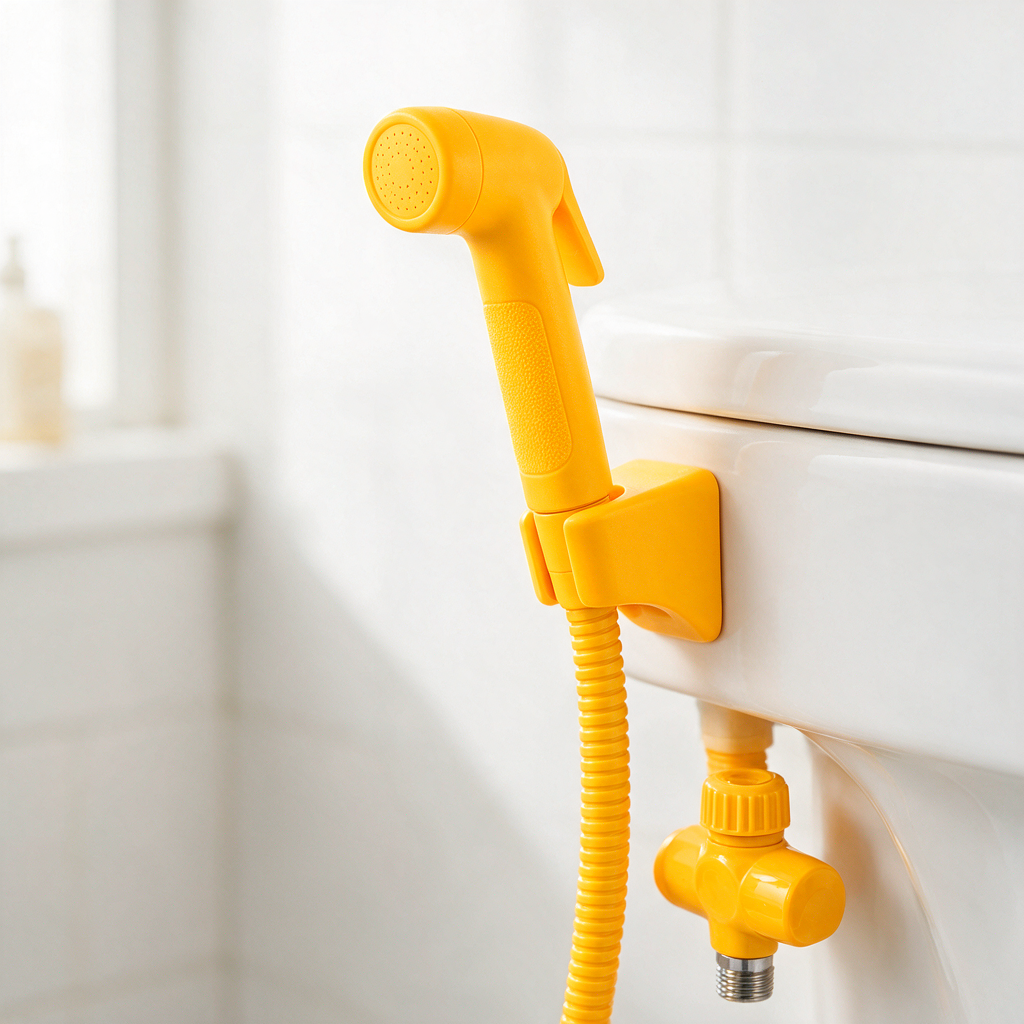
Most bidet sprayer leaks come from a few predictable causes:
- Loose connections: Vibration and daily use can slowly loosen the nut at the T-valve, shutoff valve, or sprayer head.
- Worn rubber washers/O-rings: These flatten over time, especially with frequent on/off cycles.
- Scale buildup: Hard-water minerals accumulate at the sprayer nozzle and valve seats, preventing a proper seal.
- Hose aging: Braided hoses can corrode internally; PVC hoses can stiffen and crack.
Cleaning matters because scale and grime can keep seals from closing tightly. Even if you tighten everything, a dirty valve seat can still drip.
Safety first: shutoff, pressure release, and what not to use ⚠️
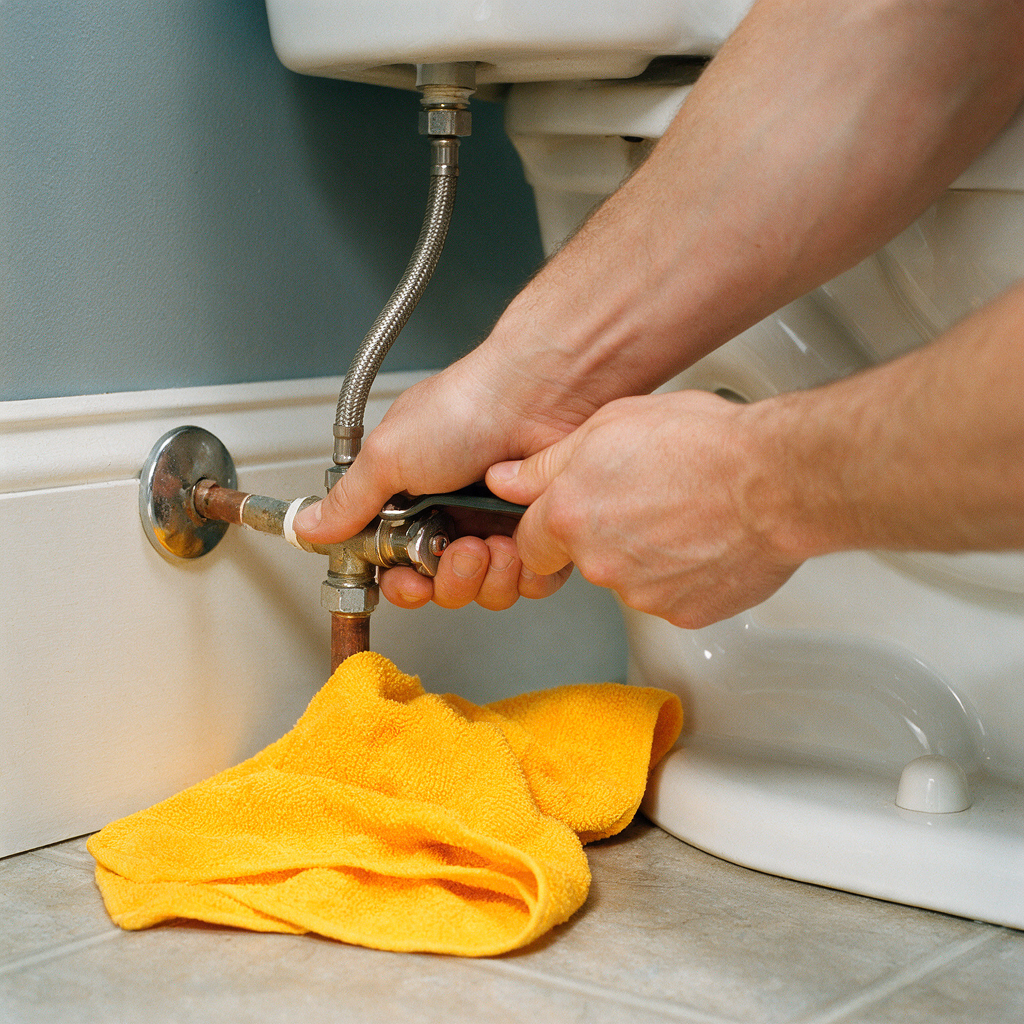
Before you touch the hose or sprayer:
- Turn off the shutoff valve (usually at the wall near the toilet). Turn clockwise until it stops.
- Release pressure by squeezing the sprayer trigger into the toilet bowl for a few seconds.
- Keep a small towel and a pail nearby. Even with the valve off, a bit of water will drain from the hose.
Avoid these common mistakes:
- Don’t use bleach inside metal sprayers/hoses unless the manufacturer specifically allows it. It can speed up corrosion and damage rubber.
- Don’t mix vinegar with bleach (dangerous fumes).
- Don’t overtighten fittings with brute force. You can crack plastic parts or deform washers.
If your shutoff valve is stuck or won’t fully stop water, pause and call a plumber. Forcing it can cause a bigger leak.
Quick leak check: 5-minute inspection you can do weekly ✅
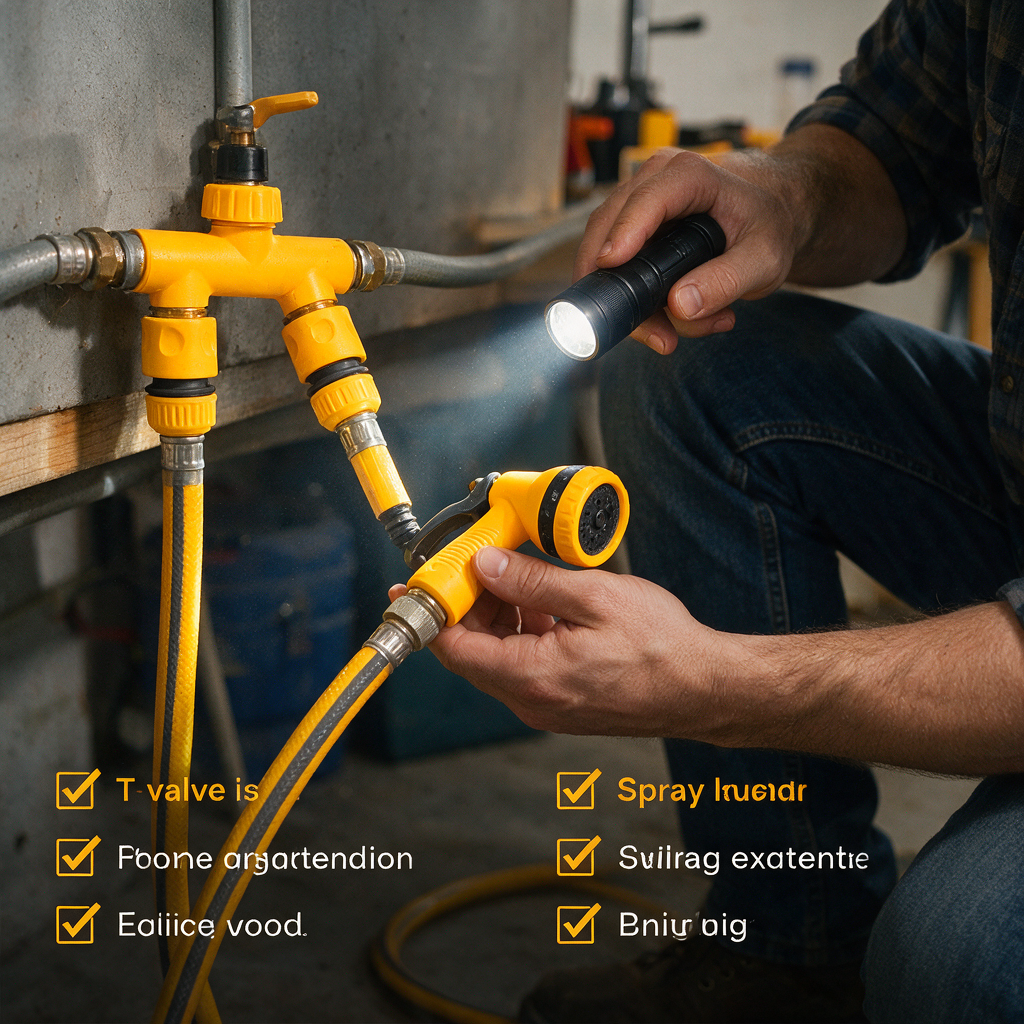
A quick routine prevents surprise leaks:
- Look and feel: Run your fingers around each connection (shutoff valve, T-valve, hose ends). Moisture on threads usually means a washer problem.
- Tissue test: Wrap tissue around joints for 30–60 seconds. Even tiny drips show up fast.
- Check the sprayer trigger: If water drips from the nozzle when not pressed, scale or a worn internal seal is likely.
- Listen: A faint hiss near the valve area can mean a slow leak under pressure.
- Check the floor and wall: In humid CDO homes, dampness can be missed—look for paint bubbling, swelling baseboards, or a musty smell.
Decision rule: if you see any ongoing drip, fix it the same day. Slow leaks are the ones that quietly damage cabinets, flooring, and walls.
How to clean the sprayer exterior (without scratching or damaging finishes) 🧼
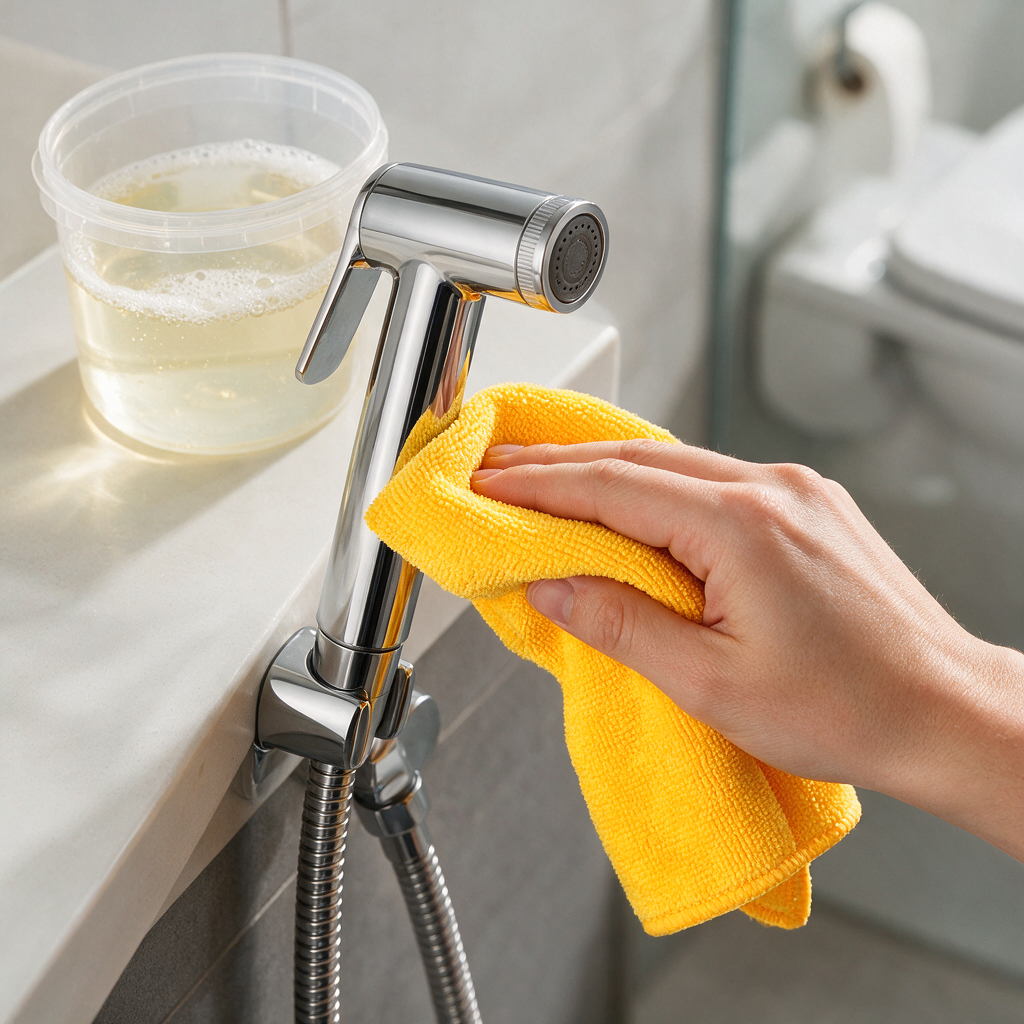
For the outside of the sprayer and hose, keep it gentle and consistent:
- Mix warm water + a few drops of dish soap.
- Wipe the sprayer handle and hose with a microfiber cloth.
- Use a soft toothbrush around the trigger area and nozzle face.
- Rinse with a clean damp cloth, then dry.
What to avoid:
- Abrasive pads (they scratch chrome and plated finishes).
- Strong acids on cheap plating (it can dull or peel over time).
If you’re already doing a bathroom deep clean, pair this with drain hygiene—biofilm from drains can spread odor and bacteria in damp bathrooms. You may also find helpful steps in this guide on eliminating sink and floor drain odors with biofilm control.
How to remove scale from the nozzle (the part that usually clogs)
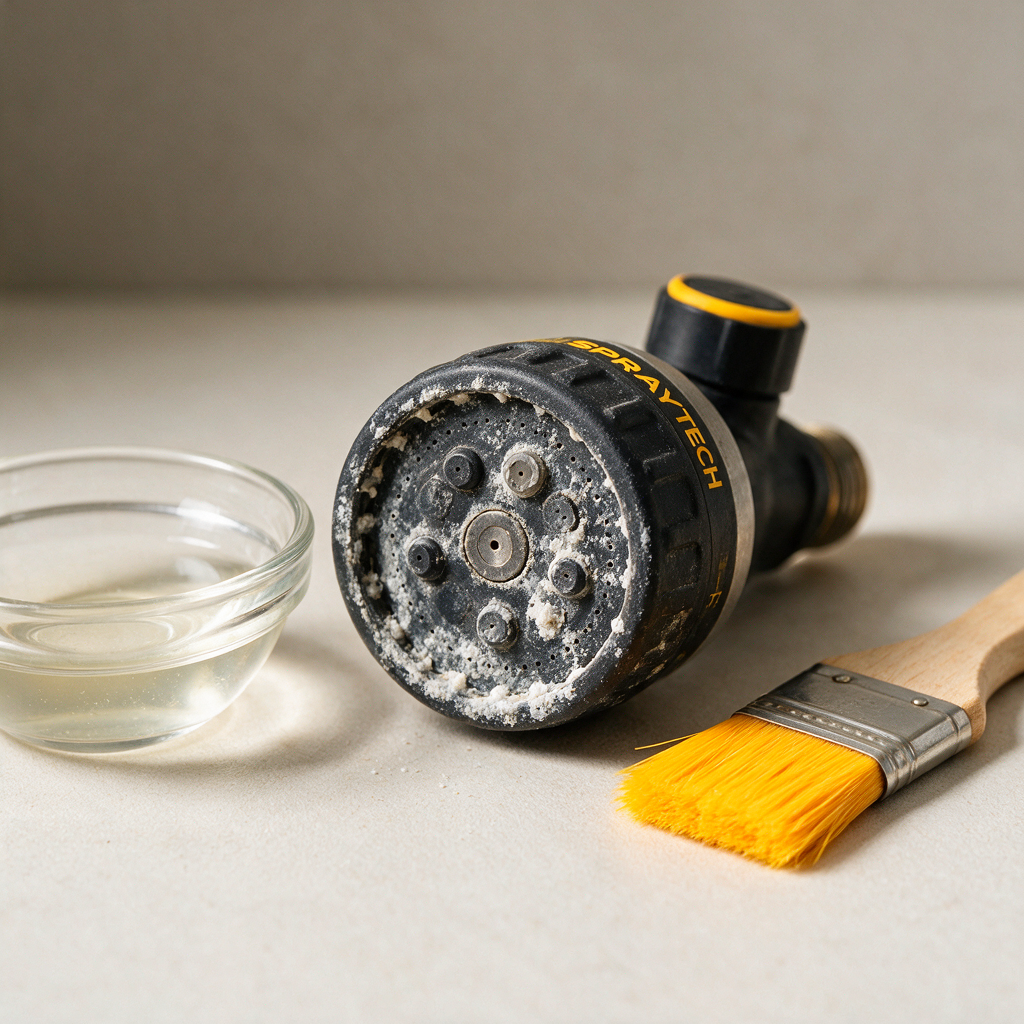
If your sprayer pressure dropped or spray pattern looks uneven, scale is a likely culprit.
Method A: Vinegar soak (simple and widely available in PH)
- Turn off the water and release pressure.
- Unscrew the sprayer head from the hose (if your model allows).
- Soak the nozzle end in white vinegar for 20–40 minutes.
- Brush gently with a soft toothbrush.
- Rinse thoroughly with clean water and dry before reattaching.
Method B: Citric acid solution (often less “smelly” than vinegar)
Citric acid works well for mineral deposits and is commonly used for descaling appliances.
- Mix warm water + citric acid (follow product label; you want a mildly acidic solution, not a paste).
- Soak, brush, rinse, and dry the same way.
If you want a deeper explanation of vinegar vs. citric acid behavior on scale, this article on descaling kettles and coffee makers safely (citric vs vinegar) covers the pros/cons clearly—many of the same principles apply.
Comparison table: vinegar vs. citric acid for bathroom scale
| Option | Best for | Pros | Cons | Where to be careful |
|---|---|---|---|---|
| White vinegar | Light to moderate scale | Cheap, easy to find | Strong smell; slower on heavy scale | Don’t soak plated parts for too long; rinse well |
| Citric acid | Moderate scale, routine descaling | Less odor; effective on minerals | Need to buy powder; must dissolve properly | Don’t use overly concentrated solution; rinse well |
Decision rule: if the sprayer is only slightly clogged, vinegar is usually enough. If scale builds up quickly in your home, switch to periodic citric acid descaling.
Cleaning the inside of the hose: what you can do (and what you shouldn’t)
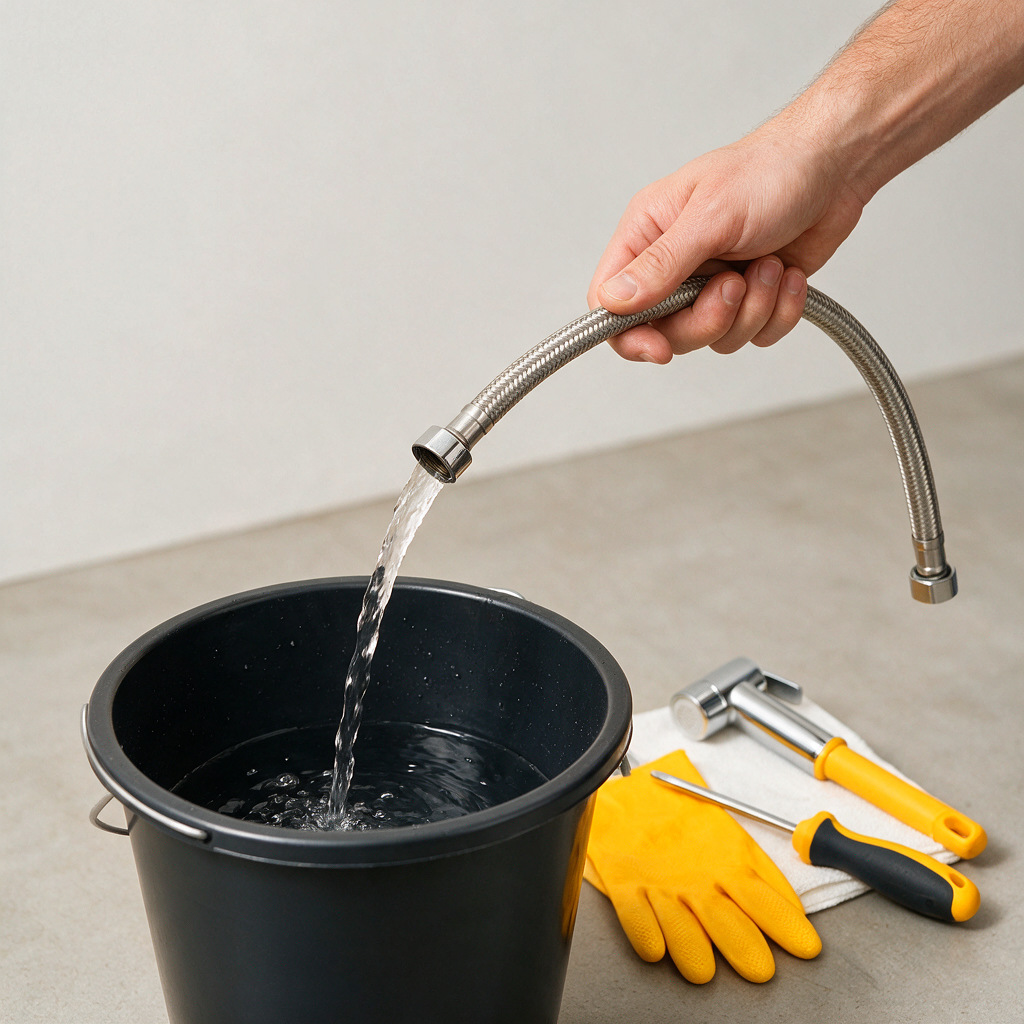
Toilet hoses aren’t designed to be “scrubbed” internally like a bottle. Your goal is to reduce risk:
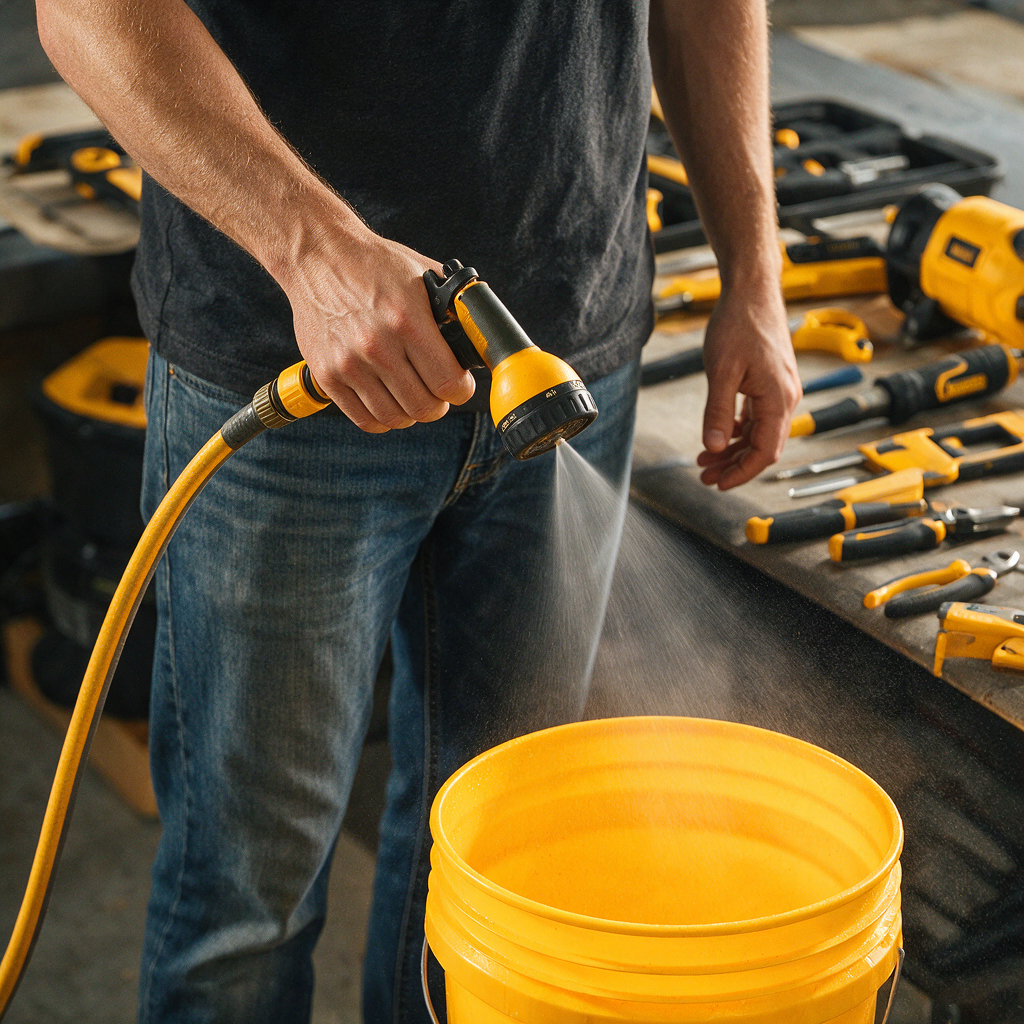
- Flush out stagnant water: With the hose disconnected from the sprayer end, briefly open the shutoff valve into a bucket for 1–2 seconds, then close. This clears loose debris.
- Inspect the hose ends: Look for black residue, rust-colored staining, cracked washers, or a deformed gasket.
What not to do:
- Don’t try to push brushes, wires, or cloth strips inside the hose. You can damage the lining and create weak points.
- Don’t soak a braided metal hose in strong chemicals. It can corrode from the ends inward.
If you suspect contamination inside the hose (slimy smell, recurring black bits), replacement is usually safer than trying to “sterilize” a worn hose.
To see a practical visual walkthrough of sprayer and hose handling, watch this video (helpful if you’re unsure about disassembly order):
After watching, come back to the next section for reassembly checks that prevent leaks.
Reassembly that prevents leaks: washers, tape, and “snug-tight” torque 🔧
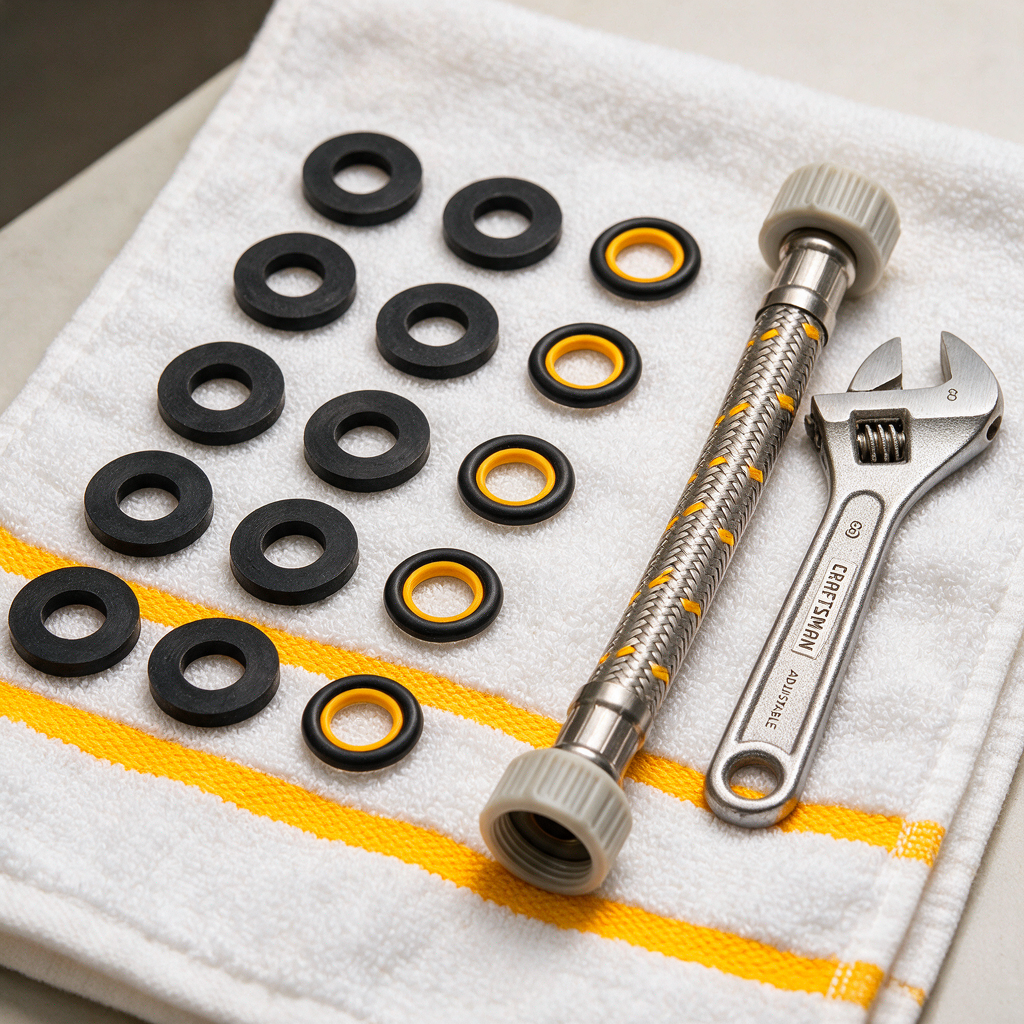
Most leaks after cleaning happen during reassembly. Here’s how to avoid that.
1) Check the washer every time you disconnect
At each hose end there’s typically a rubber washer. Replace it if:
- It’s flattened, cracked, or brittle
- It has a cut or groove
- It feels sticky or misshapen
Washers are inexpensive, and replacing them is often the fastest “fix” for small drips.
2) Use plumber’s tape only where it belongs
- Compression fittings (where a washer seals the joint) usually don’t need tape.
- Threaded metal-to-metal joints may benefit from tape, but only if the design expects it.
If you’re unsure, don’t force tape everywhere. A good washer seal beats messy tape.
3) Tighten correctly
- Hand-tighten first.
- Then use a wrench for a small additional turn until snug.
- Stop when it’s firm. Overtightening can deform washers and cause the very leak you’re trying to prevent.
4) Pressure test
- Turn the shutoff valve on slowly.
- Watch all joints for 60 seconds.
- Squeeze the sprayer trigger a few times, then re-check.
Decision rule: if it leaks after a washer change and correct tightening, the issue may be a damaged valve seat, cracked fitting, or worn sprayer head.
Bacteria risk: keeping the sprayer sanitary without harsh chemicals 🦠
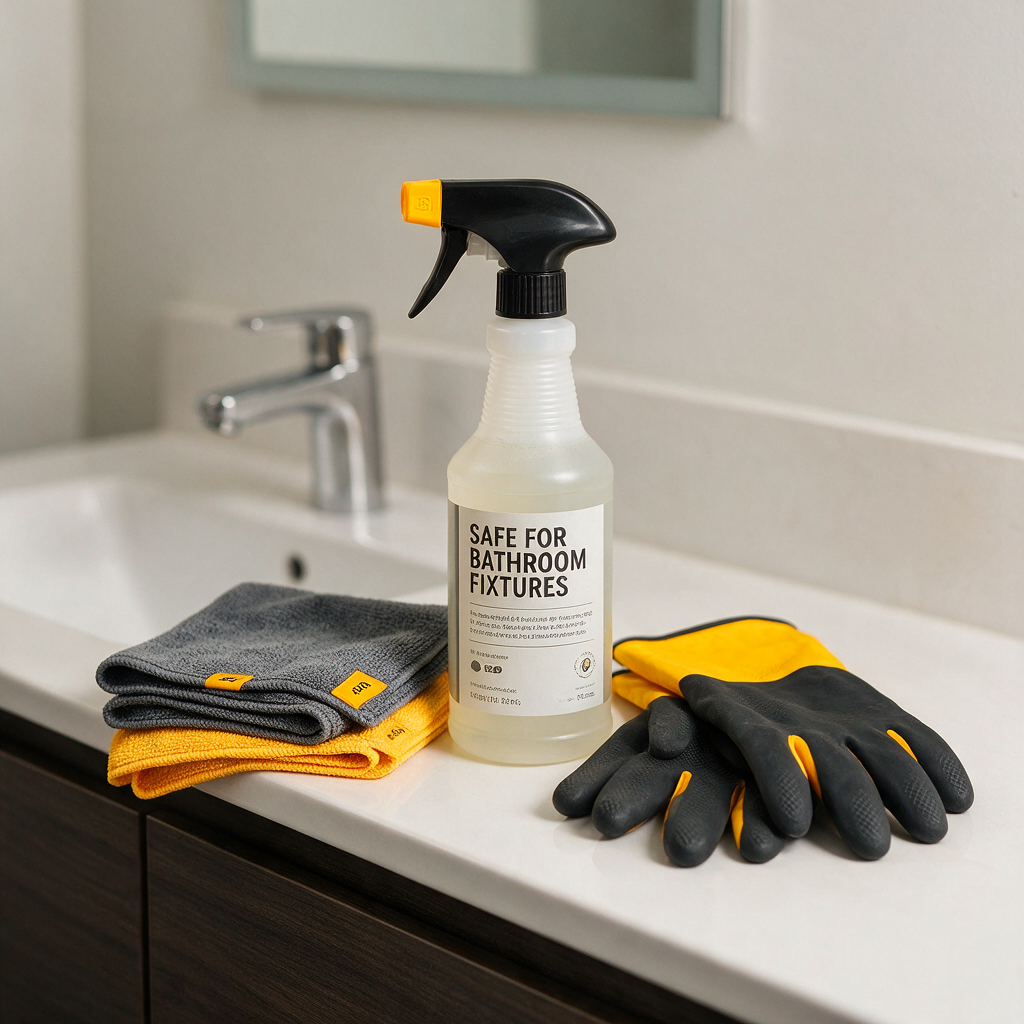
A bidet sprayer is a bathroom fixture, so bacteria control matters—but you don’t need extreme chemicals.
Good habits that lower bacterial buildup:
- Don’t let the nozzle touch the bowl (contact transfers bacteria immediately).
- Rinse the nozzle area (a quick spray into the bowl before and after use helps).
- Dry the handle occasionally (constant dampness encourages residue and odor).
For routine sanitation of the exterior:
- Use a bathroom-safe disinfectant on a cloth (not directly sprayed into seams), then wipe.
- Let it sit for the product’s stated contact time, then wipe with clean water and dry.
Trade-off to know: stronger chemicals can kill more germs quickly, but they also increase the chance of finish damage and rubber wear. Consistent mild cleaning wins long-term.
Replacement guide: when cleaning isn’t enough
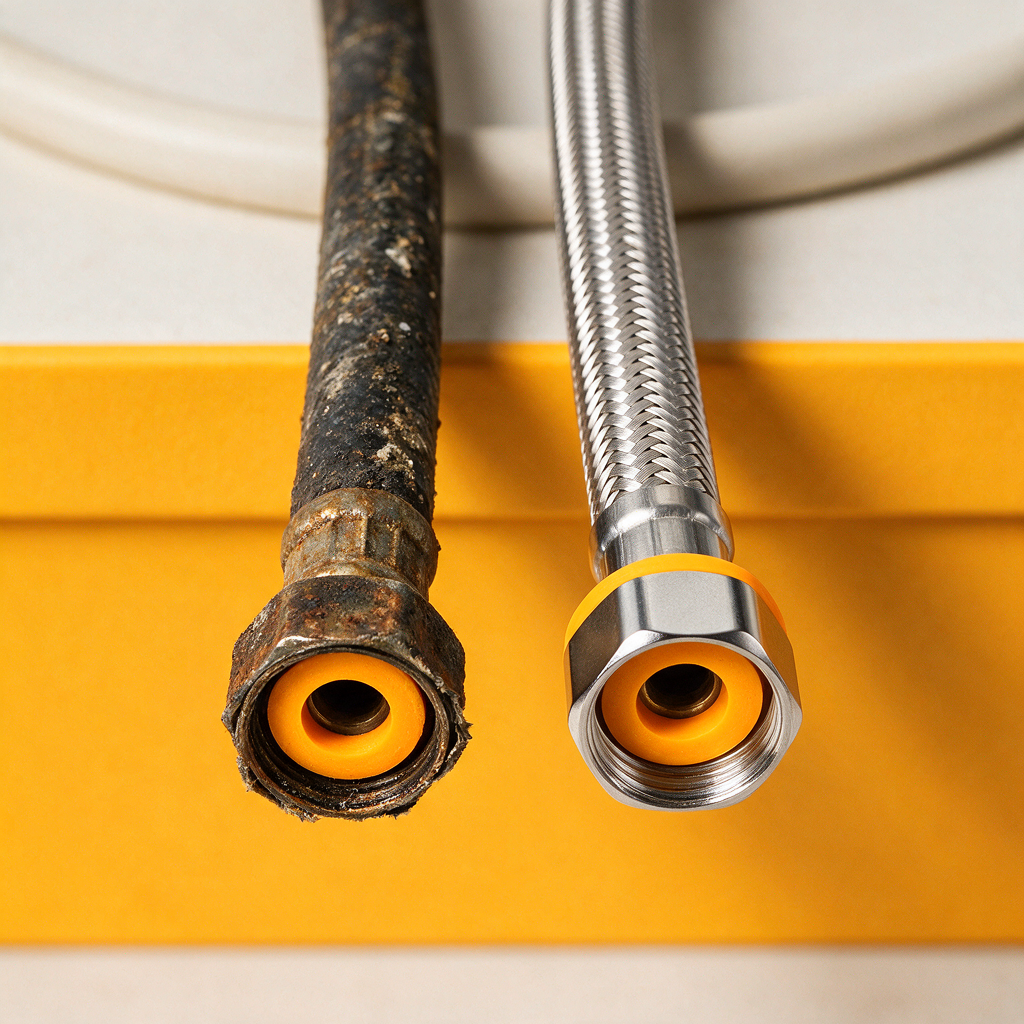
Sometimes the safest option is replacement—especially if the hose is old or the fitting is corroded.
Replace the hose or sprayer if you notice:
- Bulging, cracks, or stiffness in the hose
- Rust stains at the crimps or connectors
- Persistent leaks even with new washers
- A trigger that sticks or doesn’t fully return
- Black flecks or recurring odor you can’t remove
Quick comparison: common hose types
| Hose type | Pros | Cons | Best for |
|---|---|---|---|
| Stainless braided (quality brand) | Durable, resists kinks, looks clean | Can corrode if low quality; ends still wear | Most homes, daily use |
| PVC/plastic | Cheap, light | Can stiffen/crack faster; may kink | Temporary setups or low-use bathrooms |
Decision rule: if your bathroom is used heavily (family home, rentals, office), go for a better-quality braided hose and replace washers on schedule.
Simple maintenance schedule (realistic for busy households)
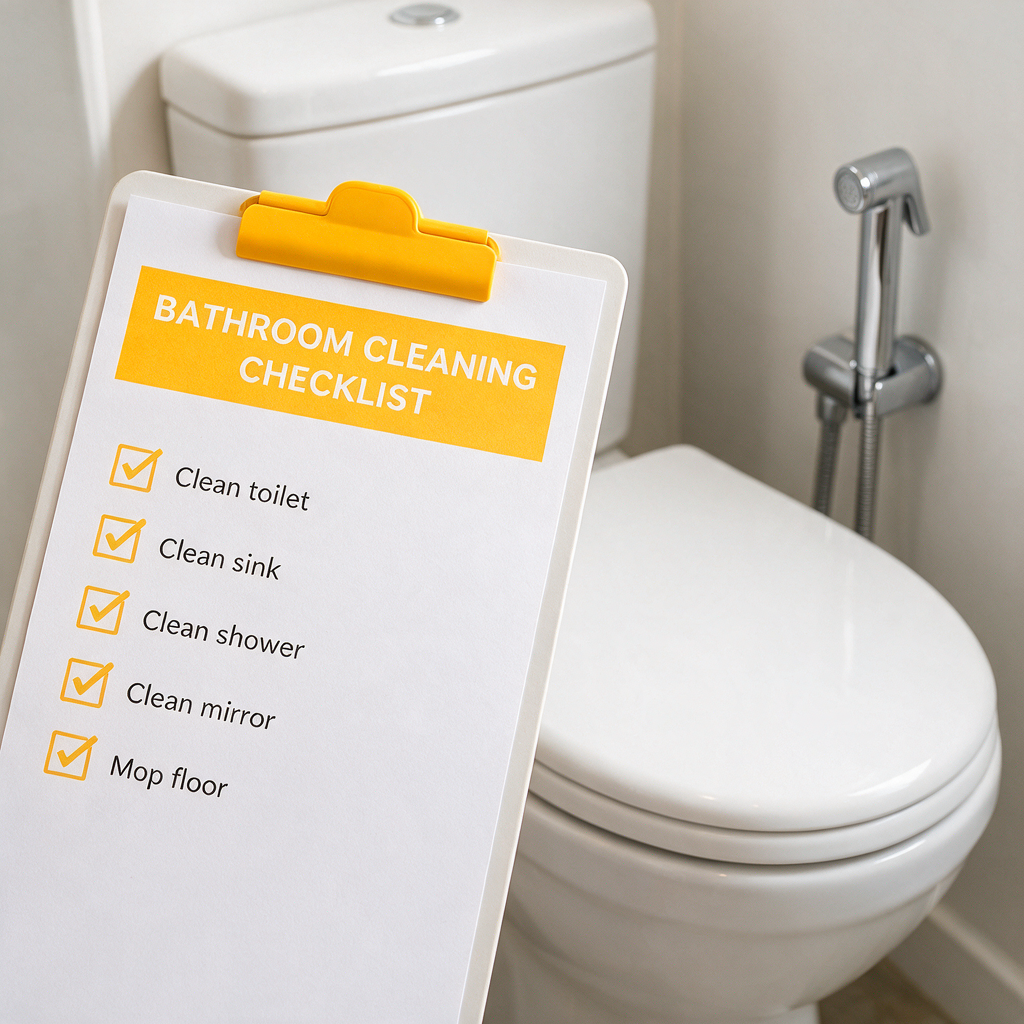
Use this as your baseline. Adjust if your water tends to leave visible scale quickly.
| Task | What you do | Frequency | What it prevents |
|---|---|---|---|
| Wipe sprayer + hose exterior | Soap + microfiber; dry after | Weekly | Grime, odor, surface bacteria |
| Tissue test on joints | Wrap tissue at fittings 30–60 sec | Weekly | Slow leaks, wall/floor damage |
| Descale nozzle | Vinegar or citric acid soak; brush gently | Every 4–8 weeks | Clogs, uneven spray, valve seepage |
| Check washers/O-rings | Inspect for flattening/cracks | Every 3–6 months | Drips at connections |
| Replace hose (if aging/low quality) | Install new hose + new washers | As needed | Burst risk, hidden internal wear |
If you manage rental units or a busy office restroom, it’s worth doing the leak check more often—water damage spreads fast and is expensive to undo.
Common problems and quick fixes (troubleshooting)
“My sprayer drips even when I’m not pressing it.”
- Likely cause: scale or worn internal seal.
- Try: descale the nozzle and trigger area; if it still drips, replace the sprayer head.
“The hose leaks at the connection.”
- Likely cause: washer/O-ring is worn or pinched.
- Try: replace washer, re-seat it flat, and tighten snugly.
“Water pressure is weak.”
- Likely cause: clogged nozzle screen, scale, partially closed shutoff valve.
- Try: open valve fully; descale nozzle; check for kinks.
“There’s a musty smell around the toilet area.”
- Likely cause: dampness from a micro-leak, floor drain biofilm, or trapped moisture behind the toilet.
- Try: tissue test joints; clean and dry the area; address nearby drains.
If you keep smelling dampness even after cleaning, inspect the wall and floor for hidden seepage.
If you want it handled fast and properly in Cagayan de Oro
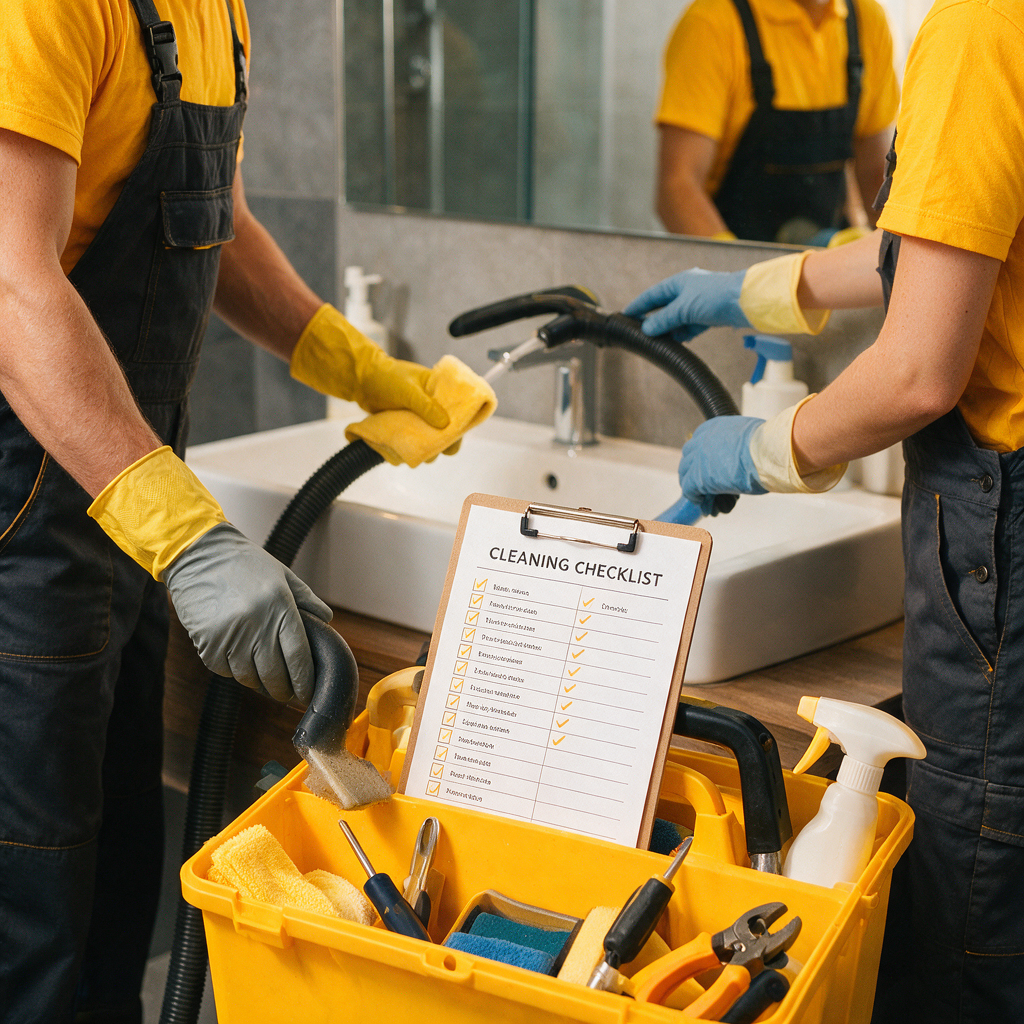
Some bathrooms need more than spot cleaning—especially after a leak, tenant turnover, or months of scale buildup. PrimeShineCDO Cleaning Services can handle detailed bathroom cleaning as part of your home or property upkeep, with the kind of checklist-driven approach busy households and offices prefer.
- Browse options on our cleaning services page.
- If you want to ask about scheduling or scope (home, condo, office, rentals), use our contact page to message PrimeShineCDO.
If you’re dealing with an active plumbing leak (not just cleaning/scale), it’s best to get a plumber first—then we can help restore the bathroom to a clean, sanitary condition afterward.
FAQ: bidet sprayer and toilet hose cleaning
Can I disinfect the sprayer with alcohol?
You can wipe the exterior with alcohol occasionally, but avoid soaking rubber seals and internal parts. Overuse can dry out some plastics and washers.
Is it normal to see black residue at the hose end?
A small amount of grime at threads happens, but recurring black flecks, slime, or odor can point to hose degradation or contamination. If it keeps coming back after cleaning, replacement is safer.
How do I stop leaks without overtightening?
Start with a new washer and correct alignment. Tighten by hand first, then a small turn with a wrench. If it still leaks, don’t keep tightening—replace the fitting/part causing the leak.
How often should I descale in PH conditions?
It depends on your water and usage. If you see white deposits on faucets or showerheads, plan for nozzle descaling every 4–8 weeks.
Should I close the shutoff valve after every use?
If your sprayer has a trigger that occasionally sticks or drips, closing the valve after use reduces risk. It’s one extra step, but it can prevent overnight leaks.
If you want, tell me what type of hose and sprayer you have (braided or PVC, brand if known), and what symptom you’re seeing (drip at joint vs drip from nozzle). I can narrow it down to the most likely fix.