Common Cleaning Mistakes That Damage Tiles, Grout, Painted Walls
Stop dull tiles, dark grout, and patchy walls. Learn common cleaning mistakes that damage tiles, grout, and painted walls (and what to do instead) with safer fixes.
Apr 24, 2026
Need a spotless space without interruptions?
PrimeShineCDO Cleaning Services uses punctual teams, clear checklists, and efficient cleaning methods for residential cleaning, sofa cleaning, carpet cleaning, and post-construction cleaning.
Contact UsTiles, grout, and painted walls look “tough”—until the wrong cleaner or tool quietly ruins them. If you’ve ever wondered why your tiles look dull, why grout keeps turning dark, or why your walls start looking patchy after “deep cleaning,” you’re not alone. In homes and condos across Cagayan de Oro, the heat + humidity combo makes people scrub harder and use stronger chemicals. That’s usually the exact move that causes long-term damage. 😬
This guide covers common cleaning mistakes that damage tiles, grout, and painted walls (and what to do instead)—with safer, more effective alternatives you can actually stick to.
Quick reality check: why “stronger” isn’t always “cleaner” 🧼
Let’s be honest—most surface damage happens because cleaning is treated like a fight: harsher chemicals, rougher scrubbers, more pressure. But tiles, grout, and paint each have finishes and binders that can break down when you:
- push the pH too far (too acidic or too alkaline)
- leave chemicals sitting too long
- use abrasion to “speed things up”
- combine products that shouldn’t mix
The takeaway is clear: the goal is to remove soil, not remove the surface.
The biggest cleaning mistakes (and what to do instead)
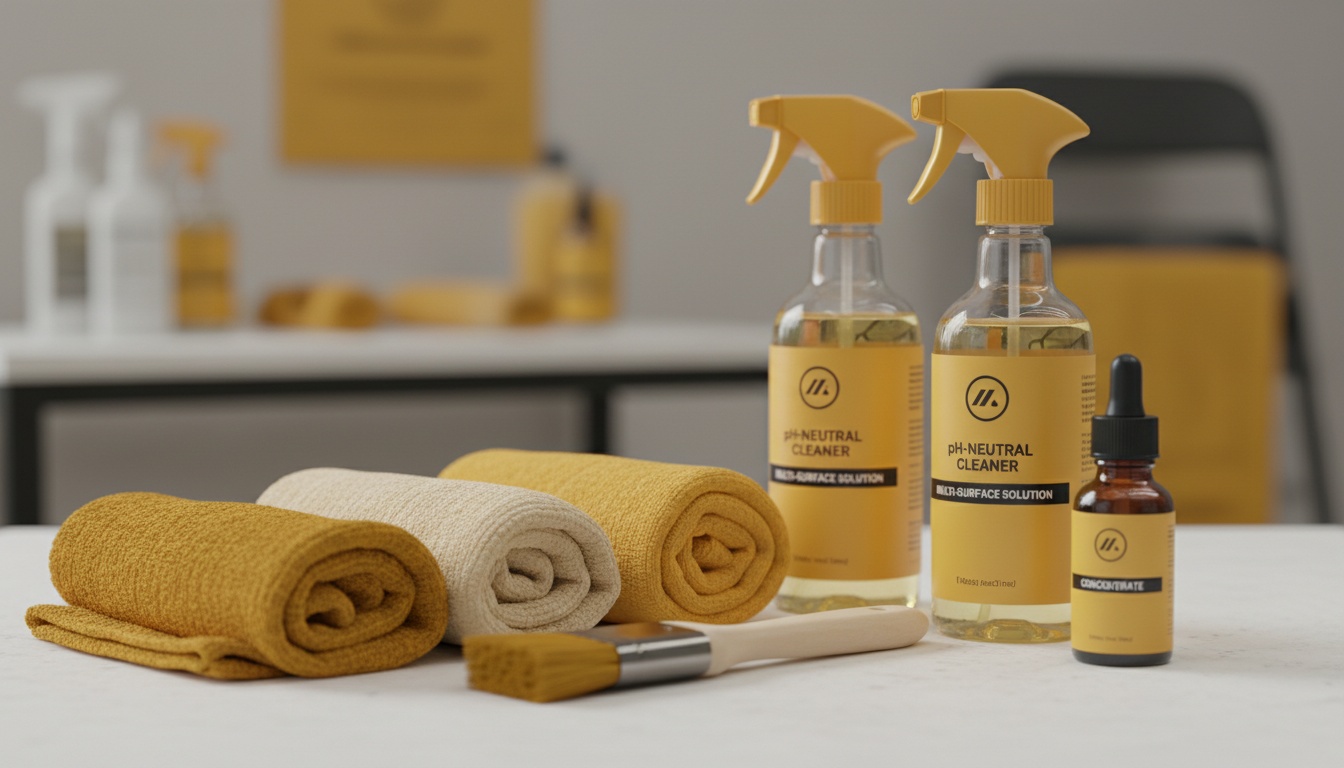
1) Using muriatic acid or strong acidic cleaners on tile grout 😵💫
Why it damages: Acid can etch certain tiles (especially natural stone) and weaken cement-based grout, making it more porous over time. It may look “whiter” briefly, then it gets dirty faster and stains deeper.
Do this instead:
- Use a pH-neutral tile cleaner for regular maintenance.
- For heavy grime, use an alkaline degreaser (especially in kitchens) but dilute properly and rinse well.
- For stains, spot-treat and test in a hidden area first.
Best practice routine (simple but effective):
- Sweep/vacuum first (dry soil is abrasive).
- Apply cleaner, let it dwell 3–5 minutes (don’t let it dry).
- Agitate with a soft nylon brush.
- Rinse with clean water, then dry.
2) Scrubbing grout with steel wool or super abrasive pads 🧽
Why it damages: Abrasives remove the top layer of grout and glaze, creating micro-scratches that trap dirt. Tiles can become dull; grout becomes rough and “thirsty,” absorbing stains.
Do this instead:
- Use a soft grout brush (nylon bristles).
- Use microfiber for tile faces (it grips grime without scratching).
- If you need extra power, step up chemistry before abrasion.
If you feel like you need steel wool, you’re probably using the wrong product—or skipping dwell time.
For tool recommendations that don’t wreck your surfaces, check out best cleaning tools for small apartments (microfiber mops & more).
3) Bleach as your “daily” grout and bathroom solution 🚽
Why it damages: Bleach can discolor grout, degrade some sealers, and irritate indoor air—especially in small bathrooms with limited ventilation. It can also “remove color” without removing the underlying soil, so stains come back.
Do this instead:
- For routine bathroom cleaning: pH-neutral bathroom cleaner + rinse + dry.
- For mildew: target the cause (humidity + poor airflow) and use a product meant for mold/mildew control.
If mold is a repeating problem in CDO (it often is), go deeper with how to stop bathroom mold and mildew in Cagayan de Oro.
4) Leaving cleaning solution to “soak” on tiles and painted walls ⏳
Why it damages: Letting chemicals dry on surfaces causes:
- sticky residue that attracts dirt
- haze on glossy tiles
- softened or streaky paint (especially matte finishes)
Do this instead:
- Work in small sections.
- Keep the surface lightly wet (not dripping).
- Always rinse tiles after using stronger cleaners.
- For walls, wipe with a damp microfiber (not a wet one) and dry immediately.
5) Using vinegar on everything—especially stone and grout 🧴
Why it damages: Vinegar is acidic. It can etch natural stone (marble, limestone, travertine) and weaken grout over time.
Do this instead:
- Use stone-safe pH-neutral cleaners for stone.
- Use mild dish soap + water for light cleaning on ceramic/porcelain tiles (then rinse).
Rule you can remember:
If it fizzes on stone, it’s a no-go.
6) Power-washing or high-pressure rinsing indoor grout 🚿
Why it damages: Pressure drives water deep into grout lines, behind tiles, and into corners—then you’re dealing with trapped moisture, mildew smells, and possible adhesive failure.
Do this instead:
- Use controlled moisture: spray, dwell, gentle agitation, rinse, dry.
- Improve drying: exhaust fan, open windows, squeegee after shower.
7) Over-wetting painted walls during “wipe downs” 🎨
Why it damages: Many interior paints—especially flat/matte—don’t like heavy water. Over-wetting leads to:
- shiny patches (“burnishing”)
- peeling or bubbling near edges
- water marks and streaking
Do this instead:
- Dust first with a dry microfiber or duster.
- Use a barely damp microfiber cloth.
- Use diluted mild soap only for actual grime.
- Dry immediately with a clean cloth.
8) Magic erasers on painted walls (and glossy tile) ✨
Why it damages: Magic erasers are micro-abrasive. They can remove scuffs—but also remove paint sheen, leaving dull spots that look worse in lighting.
Do this instead:
- Start with mild soap + microfiber.
- If needed, try a small test patch with minimal pressure.
- For recurring scuffs, consider paint touch-up or upgrade to more washable paint in high-traffic areas.
9) Skipping rinsing on tile floors (the “it looks clean” trap) 😩
Why it damages: Cleaner residue creates a film that:
- attracts dirt faster
- makes floors look dull
- becomes slippery (especially in bathrooms)
Do this instead:
- After mopping with cleaner, do a second pass with clean water.
- Change rinse water often.
- Dry with a fan or microfiber mop to prevent water spots.
10) Mixing cleaning chemicals (especially bleach + acids) ☠️
Why it damages (and why it’s dangerous): Mixing products can release toxic fumes and still harm surfaces. Bleach + acids can create chlorine gas.
Do this instead:
- Use one product at a time.
- Rinse between products if you must switch.
- When in doubt, keep it simple: pH-neutral + agitation + rinse.
For a clearer breakdown of what actually kills germs (without going overboard), read disinfecting vs sanitizing for homes and offices.
What to use instead: a safer “cheat sheet” ✅
| Surface | Common mistake | Better option | Tool to use | Frequency |
|---|---|---|---|---|
| Ceramic/porcelain tile | Harsh acid or abrasive pads | pH-neutral cleaner; alkaline degreaser for kitchens | Microfiber mop + soft nylon brush | Weekly |
| Cement grout | Bleach daily; steel wool scrubbing | Gentle cleaner + dwell time; targeted stain treatment; consider sealing | Grout brush (nylon) | Weekly + spot clean |
| Natural stone tile | Vinegar/acid cleaners | Stone-safe pH-neutral cleaner | Soft cloth/mop | Weekly |
| Painted walls (matte) | Over-wetting; magic eraser | Dust first, then damp microfiber + mild soap | Microfiber cloth | Monthly/spot |
| Painted walls (semi-gloss) | Strong degreaser left to dry | Mild soap solution; rinse lightly; dry | Microfiber cloth | Monthly/spot |
“But my grout is already dark.” Here’s what’s actually happening.
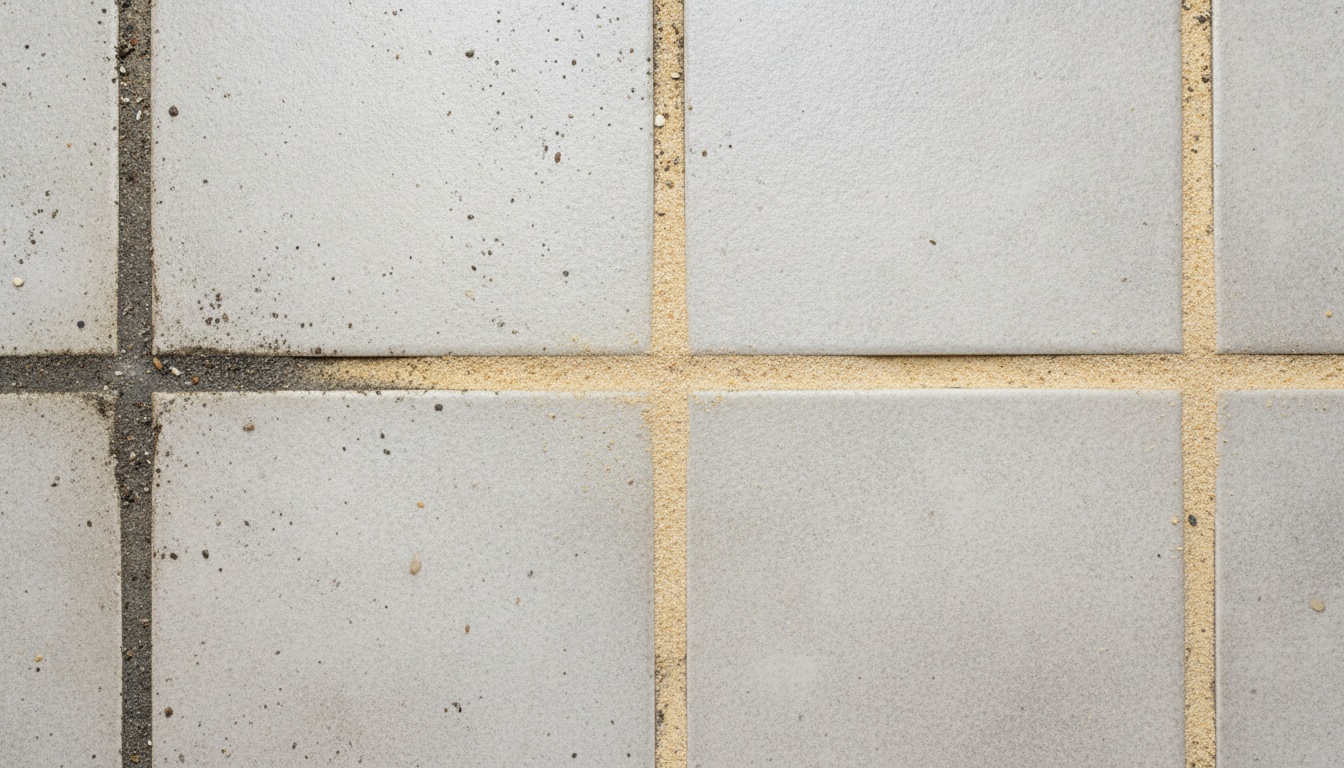
Most dark grout falls into one of these buckets:
- embedded soil from residue + foot traffic
- mildew (common in humid bathrooms)
- lost sealer (grout absorbs everything now)
- construction haze (post-renovation dust/cement film)
What works best depends on the cause. If you’ve been scrubbing forever and it keeps coming back, you’re likely dealing with porous grout that needs a reset (deep clean + proper drying + optional sealing).
A simple weekly routine that prevents damage (and saves time) 🗓️
For tile floors
- Sweep/vacuum (daily if you have pets)
- Damp mop with pH-neutral cleaner (weekly)
- Rinse pass (weekly)
- Dry or ventilate well (especially bathrooms)
For bathroom walls & grout
- After shower: quick squeegee or towel wipe (30 seconds)
- Weekly: spray cleaner, dwell 3–5 minutes, soft brush, rinse, dry
- Keep airflow moving: exhaust fan or open window
For painted walls
- Dust first (weekly/bi-weekly in high-dust areas)
- Spot clean marks with damp microfiber (as needed)
- Avoid soaking corners and edges
When you should stop DIY and call pros 🚨
You should seriously consider professional help if:
- grout stays dark even after proper cleaning + rinse + dry
- tiles look permanently hazy (possible etching or residue layering)
- paint is patchy from over-scrubbing
- post-construction dust keeps reappearing (it’s hiding in ledges, tracks, vents)
- your schedule is packed and cleaning becomes a never-ending weekend project
PrimeShineCDO Cleaning Services is built for exactly this—uniformed crews, checklists, and fast turnaround so your home or office stays spotless without the trial-and-error.
- Browse options on our cleaning services in Cagayan de Oro
- For regular upkeep or a reset clean, book a cleaning appointment
- Want more routines and practical guides? Visit the PrimeShineCDO blog
FAQ: common questions about tile, grout, and painted wall cleaning
What’s the safest everyday cleaner for tiles?
A pH-neutral cleaner is the safest all-around choice for ceramic/porcelain tiles, especially if you want to avoid haze and dulling.
Should you seal grout?
If your grout is cement-based and in high-moisture/high-traffic zones (bathrooms, kitchens), sealing often helps reduce staining. But sealing works best after a proper deep clean and full drying.
How do you clean painted walls without removing paint?
Dust first, then wipe gently with a barely damp microfiber. Avoid aggressive scrubbing and don’t use abrasive pads unless you’re okay with changing the finish.
The takeaway (so you don’t damage anything) ✅
If you remember nothing else, remember this: use the least aggressive method that gets the job done—right cleaner, proper dwell time, gentle agitation, and a real rinse. Your tiles stay shiny, your grout stays tighter, and your painted walls stop looking “wiped to death.” 😅
If you want a spotless finish without the guesswork (and without surface damage), get in touch with PrimeShineCDO and we’ll recommend the right service for your space.