Disinfecting vs Sanitizing for Homes and Offices: What Actually Kills Germs and When to Use Each
Disinfecting vs sanitizing for homes and offices: what actually kills germs and when to use each—learn the real difference, avoid costly mistakes, and clean smarter.
Mar 25, 2026
Need a spotless space without interruptions?
PrimeShineCDO Cleaning Services uses punctual teams, clear checklists, and efficient cleaning methods for residential cleaning, sofa cleaning, carpet cleaning, and post-construction cleaning.
Contact UsYou’ve probably used “sanitize” and “disinfect” like they mean the same thing. They don’t. And in homes and offices—especially in a humid, high-traffic city like Cagayan de Oro—choosing the wrong one can waste money, damage surfaces, or give you a false sense of safety.
This guide breaks down disinfecting vs sanitizing for homes and offices: what actually kills germs and when to use each—in plain language, without the fluff. 🧼
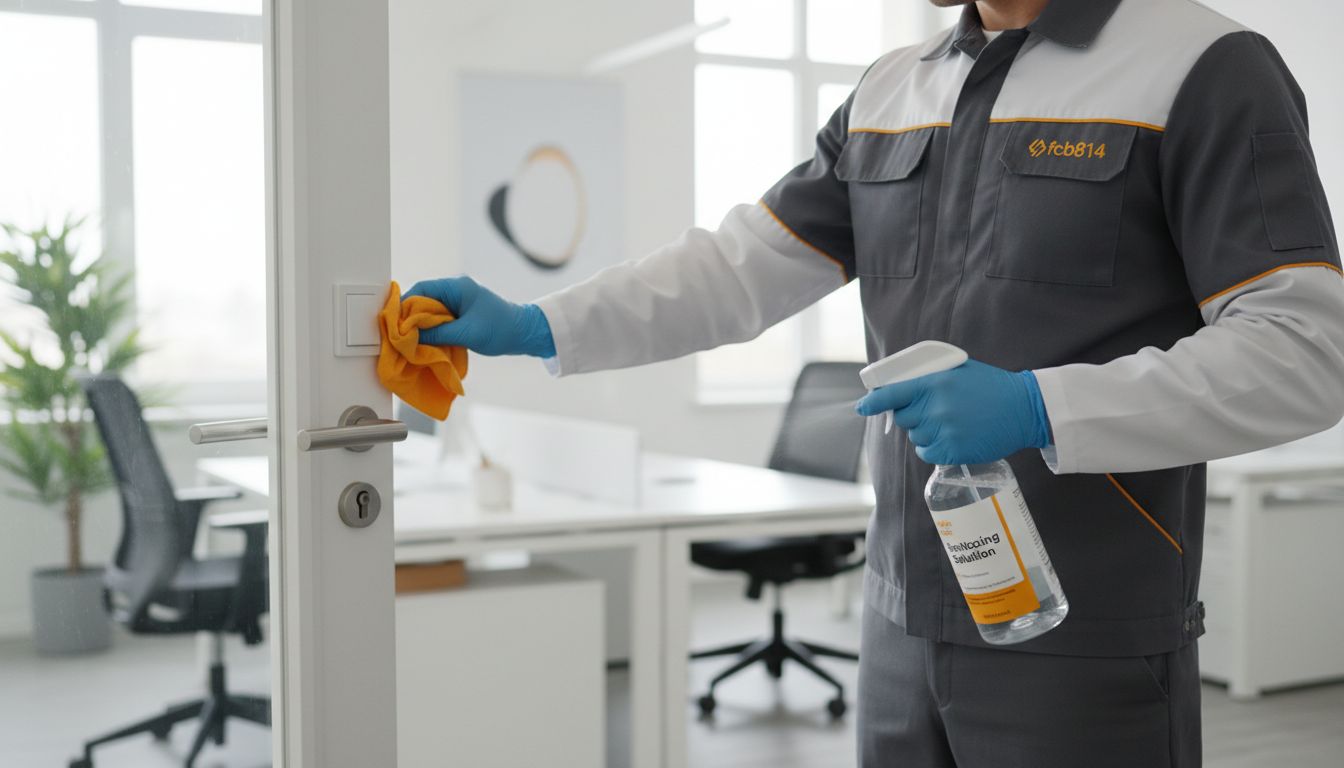
Disinfecting vs sanitizing: the real difference (not marketing talk)
Here’s the blunt truth:
- Sanitizing reduces germs to a level considered safer by public health standards. It lowers the number of microbes.
- Disinfecting kills germs (or inactivates them) on non-porous surfaces—typically at a higher “strength” and with a longer chemical contact time.
Both matter. But they’re not interchangeable.
Quick comparison table (bookmark this)
| Category | Sanitizing | Disinfecting |
|---|---|---|
| Goal | Reduce germs to safer levels | Kill/inactivate germs on surfaces |
| Typical use | Everyday cleanliness, food areas, shared spaces | Illness response, outbreaks, high-risk environments |
| Works best on | Lightly soiled, frequently touched surfaces | Non-porous high-touch surfaces after cleaning |
| Contact time (typical) | Shorter | Often longer (read the label) |
| Risk if overused | Unnecessary chemical exposure; surface wear | Higher risk of irritation; corrosion; overkill when not needed |
| Key truth | Helps lower everyday germ load | Best for specific risk moments |
The takeaway is clear: cleaning removes dirt, sanitizing reduces germs, disinfecting kills germs. You choose based on risk—not vibes.
First: “Cleaning” is the step people skip (and it’s the step that matters most)
If a surface has dust, oil, food residue, or grime, your sanitizer/disinfectant may not work properly. Think of dirt like a shield—germs hide under it.
So the correct sequence is usually:
- Clean (remove soil and debris)
- Then sanitize or disinfect (depending on the situation)
This matters a lot in PH settings where:
- humidity helps grime build faster,
- shoes track in outdoor contaminants,
- shared office equipment gets touched all day.
If you want to understand what “deep clean” really means compared to routine cleaning, read deep cleaning vs regular cleaning (what’s included and when to book). ✅
What actually kills germs? (And what doesn’t)
Not everything that smells “clean” kills germs. Some products just deodorize or lift dirt.
Product types and what they actually do
| Product type | What it does | What it doesn’t do |
|---|---|---|
| Soap/detergent | Lifts dirt, oils, many microbes so you can wipe away | Not a registered “kill step” by itself |
| Sanitizer (surface) | Reduces germ count on surfaces | Not meant for outbreak-level disinfection |
| Disinfectant | Kills/inactivates many bacteria/viruses on hard surfaces | Can fail if used incorrectly (wrong dilution/contact time) |
| Alcohol (usually 60–70%) | Works on many microbes when used properly | Evaporates fast; can be less effective on dirty surfaces |
| Bleach solution | Strong disinfectant when mixed correctly | Can corrode, irritate, discolor; unsafe mix with other chemicals |
| Essential oils/vinegar | May help with odor or light cleaning | Not reliable disinfectants for risk control |
Let’s be honest: the label matters more than the brand. Look for claims like “sanitizer” or “disinfectant,” and follow the listed contact time (the surface must stay visibly wet).
Watch: a practical explanation of sanitizing vs disinfecting
The concepts click faster when you see them explained.
When to sanitize (homes + offices)
Sanitizing is your daily driver—especially when people are healthy and you’re focused on safer shared environments.
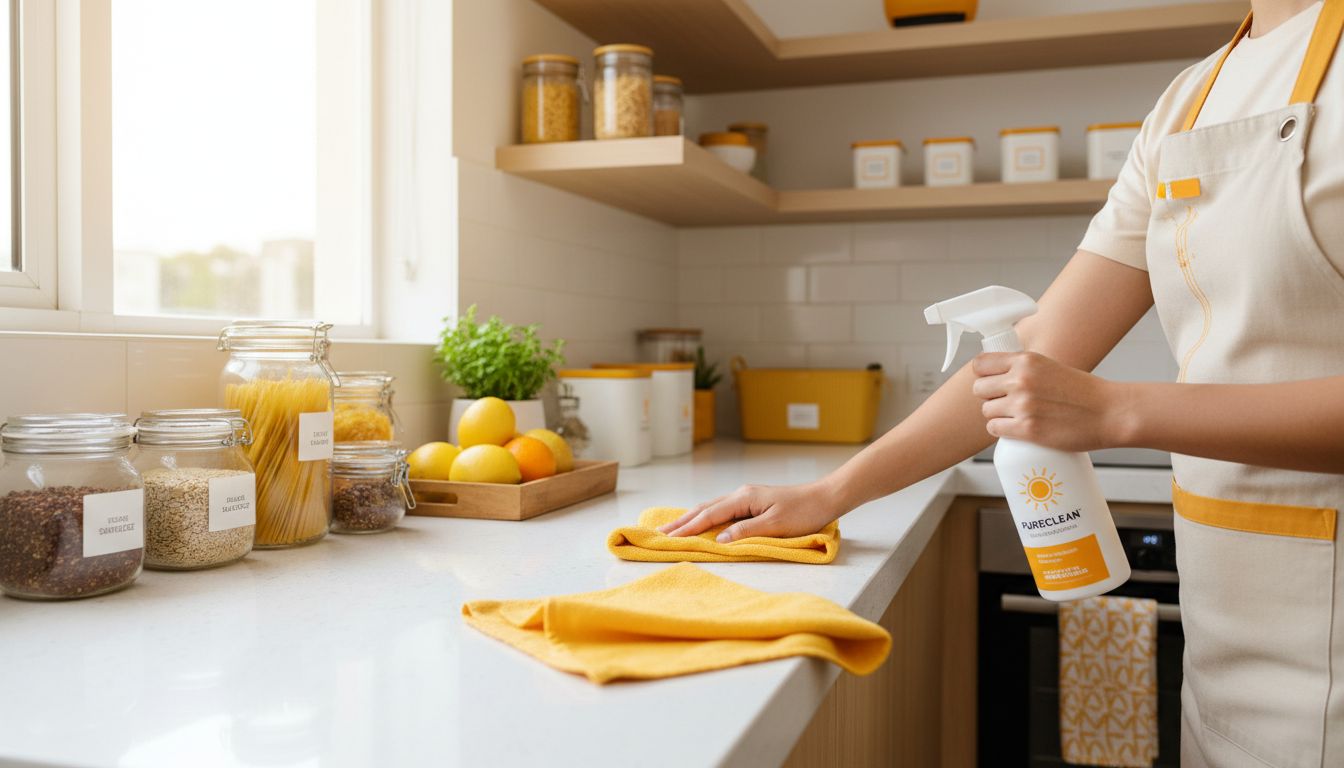
Use sanitizing when the goal is “lower everyday germ load” 🧽
At home, sanitizing makes sense for:
- kitchen counters after wiping crumbs/grease
- dining tables
- kids’ study desks and gadgets (check material compatibility)
- door handles and light switches during normal weeks
- bathrooms during routine upkeep (unless someone is sick)
In offices, sanitizing is ideal for:
- front desk counters
- meeting room tables between sessions
- shared pantry surfaces
- elevator buttons and door push plates (routine schedules)
- keyboards/mice (use appropriate wipes; avoid soaking)
Why sanitizing is often the smarter default
- It’s effective enough for daily prevention.
- It’s typically less harsh on finishes than constant disinfecting.
- It supports a consistent cleaning rhythm without turning your space into a chemical war zone.
If you manage a workplace and want a practical room-by-room structure, pair this article with this office cleaning checklist for small businesses in Cagayan de Oro. 🧾
When to disinfect (and when it’s actually necessary)
Disinfecting is for risk moments—when you have a strong reason to assume infectious particles may be present.
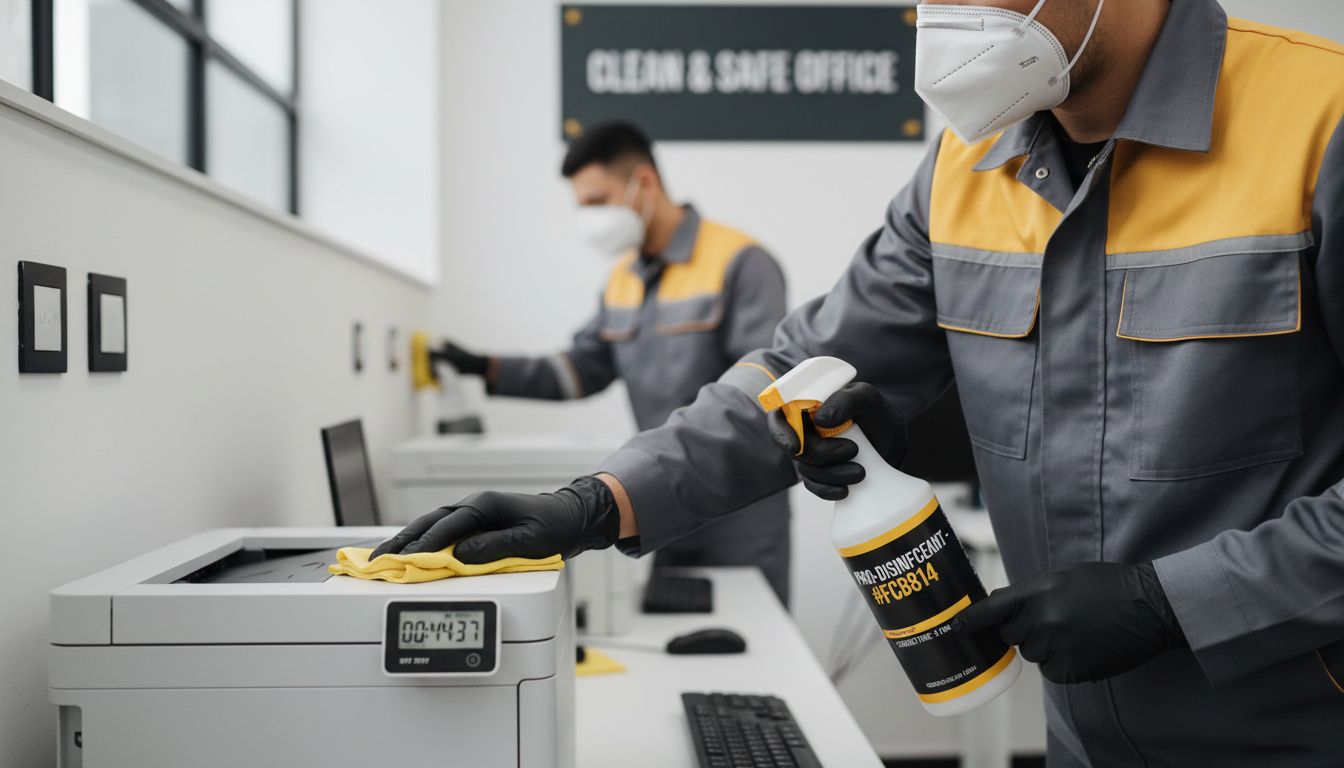
Use disinfecting when there’s a clear trigger 🦠
At home, disinfect when:
- someone is currently sick (flu-like symptoms, stomach bug, etc.)
- there was vomiting/diarrhea (these situations justify stronger control)
- you’re cleaning up after guests during illness season and you want extra protection
- you’re preparing a move-in space that’s been vacant but heavily used by others (high-touch reset)
In offices, disinfect when:
- an employee reports illness and has been onsite recently
- high-traffic shared tools/equipment were used by many people (and risk is elevated)
- after events with dense foot traffic
- you’re operating in a setting with higher vulnerability (clinic-adjacent, elder care areas, etc.)
Disinfecting only works if you respect “contact time”
Most disinfectants need the surface to stay wet for a specific time to work. Wiping it dry immediately is basically just “wet wiping.”
If your team is rushing (common in busy offices), this is where professional process helps—checklists, dwell time tracking, and correct product matching.
The “what should I use?” decision guide (fast and practical)
Use this as your on-the-spot decision tool.
| Situation | Clean first? | Sanitize or disinfect? | Why |
|---|---|---|---|
| Normal day, home living room | Yes | Sanitize | Lower everyday germ load |
| After cooking raw meat on counter | Yes | Sanitize (food-safe) | Reduce risk where food touches surfaces |
| Family member sick in bedroom | Yes | Disinfect (high-touch) | Higher likelihood of infectious spread |
| Office pantry used all day | Yes | Sanitize daily; disinfect periodically | Balanced approach |
| After confirmed illness in office | Yes | Disinfect focused areas | Targeted risk control |
| Visibly dirty surfaces | Absolutely | Neither works well until cleaned | Soil blocks effectiveness |
High-touch surfaces that matter (homes + offices)
People obsess over floors. But hands spread germs—not tiles.
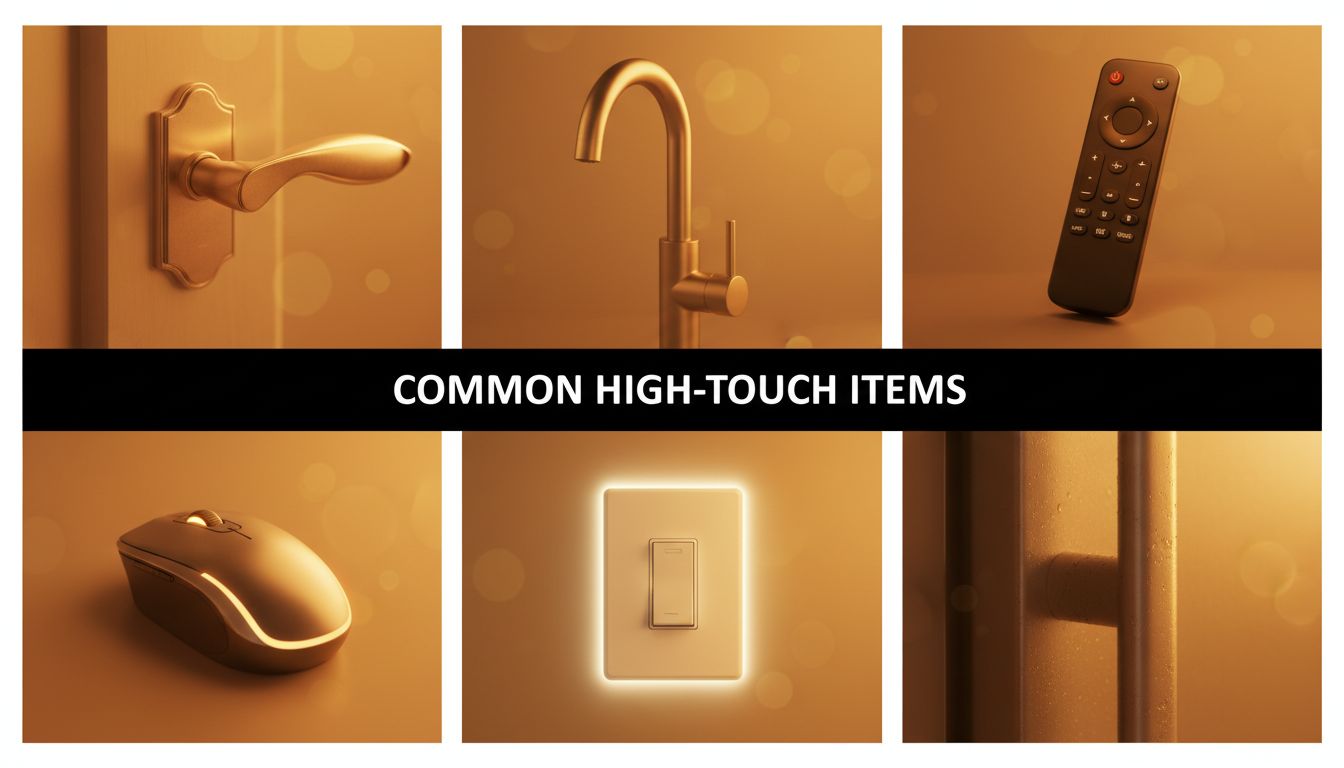
Prioritize these surfaces first ✅
Homes
- door knobs, gate latches
- faucet handles, flush handles
- refrigerator handle
- remote controls, phone screens
- dining chairs (top rail) and table edges
Offices
- entry handles, access panels
- reception counter edge
- shared printers/copiers touch screens
- conference room table edges
- pantry handles (fridge, microwave)
- time-in/time-out devices
Material reality check: some surfaces hate disinfectants
If you’ve ever seen cloudy acrylic, peeling leather, or dull wooden finishes—yup, harsh chemicals (or wrong application) can be the culprit.
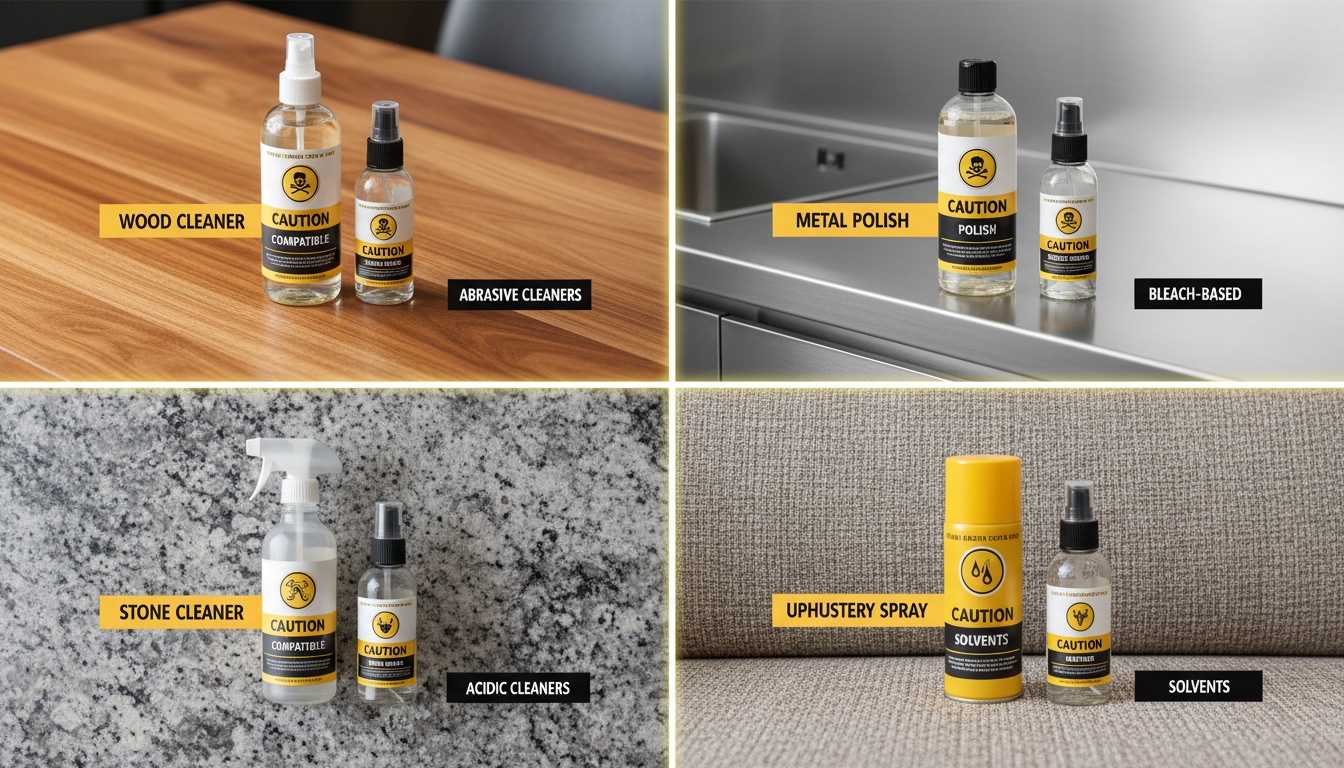
Surface compatibility snapshot
| Surface | Sanitizing/disinfecting caution | Why it matters |
|---|---|---|
| Natural wood | Avoid soaking; harsh chemicals can strip finish | Can discolor, swell, warp |
| Painted surfaces | Strong disinfectants may dull paint | Patchy, chalky look |
| Stainless steel | Chlorine/bleach can pit/corrode | Permanent spotting |
| Electronics | Use minimal-moisture wipes only | Liquid can seep into ports |
| Fabric upholstery | Disinfectants aren’t meant for porous fabric | Can stain, weaken fibers |
For sofas and fabric seating (common in both homes and reception areas), focus on proper fabric-safe cleaning instead of random disinfectant spraying. This pairs well with safe sofa care for odors and stains without damaging upholstery. 🛋️
Common myths that lead to bad cleaning decisions
Myth 1: “If it smells strong, it must be killing germs”
Fragrance is not proof. Some of the best products have mild scent. Some strong-smelling ones don’t disinfect at all.
Myth 2: “More product = more protection”
Over-application can:
- irritate skin and lungs,
- damage finishes,
- leave sticky residues that attract more dirt.
Myth 3: “Disinfect everything every day”
Constant disinfecting is usually overkill for low-risk settings and can be harsh on surfaces. Use it strategically.
Myth 4: “Spray and immediately wipe = disinfected”
Not if the product requires dwell time. The label is the boss.
How professional teams approach it (so results don’t depend on “best effort”)
A reliable cleaning team doesn’t just “wipe stuff down.” They run a process:
- identify high-touch zones
- choose the right chemistry for the surface
- apply correct dwell/contact time
- prevent cross-contamination (cloth folding, color-coding, tool separation)
Microfiber matters here because it physically captures fine particles better than many basic rags—when used and washed correctly. If you want the nerdy (useful) breakdown, read microfiber cloth types, GSM, color-coding, and washing tips. 🧵
A simple “good-better-best” approach for homes and offices in CDO
You don’t need perfection. You need consistency.
| Level | What it looks like | Best for |
|---|---|---|
| Good | Clean + sanitize high-touch areas on a schedule | Busy homes, small offices |
| Better | Add targeted disinfecting during illness season or after sick exposure | Families with kids; shared workplaces |
| Best | Documented checklist + trained team + routine deep cleaning resets | Offices, rentals, high-traffic properties |
When to call a professional (and what to ask for)
Sometimes DIY is fine. Sometimes it’s not worth the time, risk, or inconsistency—especially for offices that can’t afford downtime.
Consider pro help when:
- your office has steady foot traffic and shared equipment
- you need consistent results (not “when someone remembers”)
- you’re handling post-illness cleanup and want confidence
- you’re moving in/out, renovating, or resetting a rental
Want to see what PrimeShineCDO can handle? Browse PrimeShineCDO Cleaning Services offerings and choose the service that fits your space. 🧼
Key takeaways (so you don’t overthink it)
- Cleaning comes first—it’s what makes sanitizing/disinfecting work.
- Sanitizing is for everyday risk reduction in homes and offices.
- Disinfecting is for specific triggers: illness, outbreaks, high-risk exposures.
- The difference between “works” and “doesn’t” is often contact time and correct use.
- Over-disinfecting can damage surfaces and isn’t automatically “safer.”
If you want a cleaner, healthier space without the stress—Malinis. Maasahan. Pang‑CDO. You can also check updates and practical guides on the PrimeShineCDO blog.