How to Keep Upholstered Furniture Looking New: Safe Care Tips

Upholstered furniture is one of those “looks amazing… until life happens” parts of your home. Kids, pets, snacks, humid weather, dusty roads—especially in Cagayan de Oro—can turn a fresh-looking sofa into a tired one fast. The good news: keeping upholstery looking new isn’t about being OC. It’s about understanding how fabric behaves, using the right protection, and avoiding the common care mistakes that quietly ruin it.

What actually makes upholstery look “old” (even when it’s not that dirty)
A sofa can look worn long before it’s truly damaged. That “aged” look usually comes from a mix of:
- Soil abrasion: fine dust and grit grind into fibers every time someone sits down.
- Body oils + humidity: oils attract dirt; humidity slows drying and can cause “kulob” smells.
- UV fading: sunlight breaks down dyes and weakens fibers over time.
- Improper spot cleaning: overwetting, harsh chemicals, or aggressive scrubbing creates water rings, fading, and texture damage.
- Uneven wear: the “favorite seat” gets compressed and discolored faster than the rest.
The takeaway is clear: dirt isn’t the only enemy—friction, moisture, and chemistry are the big ones.
Know your upholstery fabric first (because care depends on it)
Before you think about fabric protectors or stain removers, you need a basic fabric reality check. Different upholstery types behave very differently when wet, when scrubbed, and when exposed to solvents.
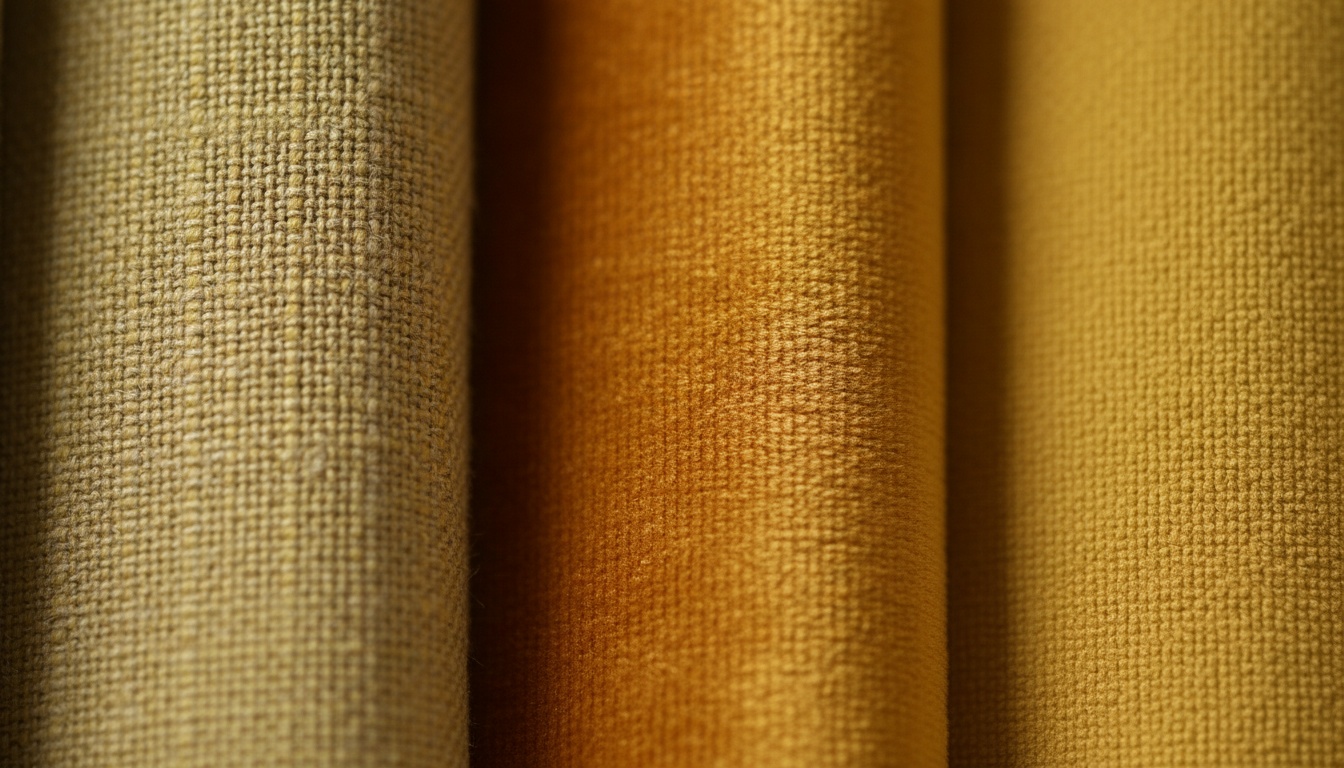
Common upholstery types and what they’re sensitive to
| Fabric type | What it’s good at | What usually damages it | Care mindset |
|---|---|---|---|
| Polyester blends | Durable, common in PH homes | Heat, oily buildup over time | Low drama, but needs regular vacuuming |
| Microfiber | Resists liquid penetration initially | Grease, stiffening from wrong cleaners | Gentle cleaning, avoid heavy residues |
| Cotton/linen blends | Breathable, comfy | Water marks, shrinking, dye bleeding | Controlled moisture, fast drying |
| Velvet (synthetic or cotton) | Looks premium | Crushing/pile distortion, water spotting | Minimal moisture + correct brushing direction |
| Leather/faux leather | Easy wipe-down | Drying/cracking (leather), peeling (PU) | Condition (leather) + avoid alcohol/solvents |
Upholstery codes (why they matter even if you ignore them 😅)
Many pieces have a care tag with a cleaning code. It’s not “extra”—it’s a shortcut to avoiding damage.
| Code | Meaning | What it implies |
|---|---|---|
| W | Water-based cleaners are acceptable | Lower risk with controlled moisture |
| S | Solvent-based cleaners only | Water can cause rings/distortion |
| WS / SW | Water or solvent | More flexibility, still test first |
| X | Vacuum only (no liquids) | Spot cleaning is risky—professional help recommended |
If you can’t find a tag, treat the fabric as unknown and default to: dry removal first (vacuum), minimal moisture second, and always test in a hidden area.
Fabric protection: what it is (and what it isn’t)
Fabric protection is often misunderstood. It’s not a magic shield that makes stains “impossible.” It’s more like giving your upholstery extra reaction time—so spills stay on the surface longer and are easier to blot before they soak in.
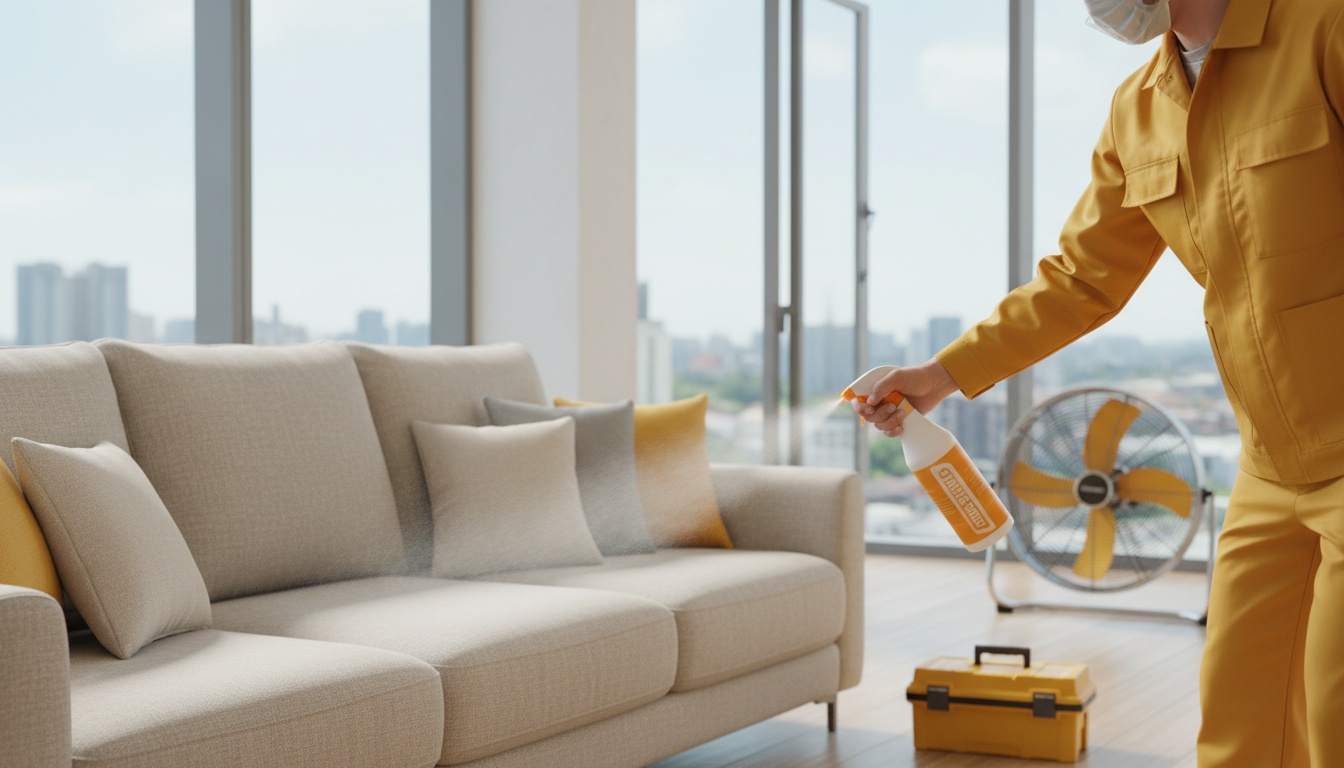
How fabric protectors work
Most quality fabric protectors create a microscopic barrier around fibers. That barrier reduces how quickly liquids and oily soils bond to the fabric.
This matters because many permanent-looking stains aren’t from the spill itself—they’re from:
- delayed cleanup
- rubbing the stain deeper
- using the wrong product
- leaving moisture trapped inside cushions
Water-based vs solvent-based protectors (simple comparison)
| Protector type | Best for | Watch-outs | Best use case |
|---|---|---|---|
| Water-based fabric protectors | Most synthetic blends, family sofas | Needs proper drying to avoid odors | Everyday living rooms, condos |
| Solvent-based protectors | Some “S” code fabrics | Strong fumes, flammability risk if misused | Better handled by trained techs |
If your home has kids/pets, prioritize a protector that’s designed for high-contact areas and doesn’t leave a sticky residue (residue attracts dirt—classic backfire).
When protection makes the biggest difference
Fabric protection pays off most when:
- your sofa is light-colored (cream, beige, gray)
- you eat/drink in the living room (let’s be honest… you do 😄)
- you host often or run an Airbnb/short-term rental
- your home gets dusty (near roads, construction, open windows)
- humidity is high and drying is slower
If you manage rentals, you’ll also want consistent turnover hygiene—this pairs well with cleaning and hygiene tips for Airbnb and short-term rentals in CDO.
Stain prevention is mostly habit design (not constant cleaning)
You don’t prevent stains by “being careful” 24/7. You prevent them by setting up your space so stains are less likely to happen—and easier to handle when they do.
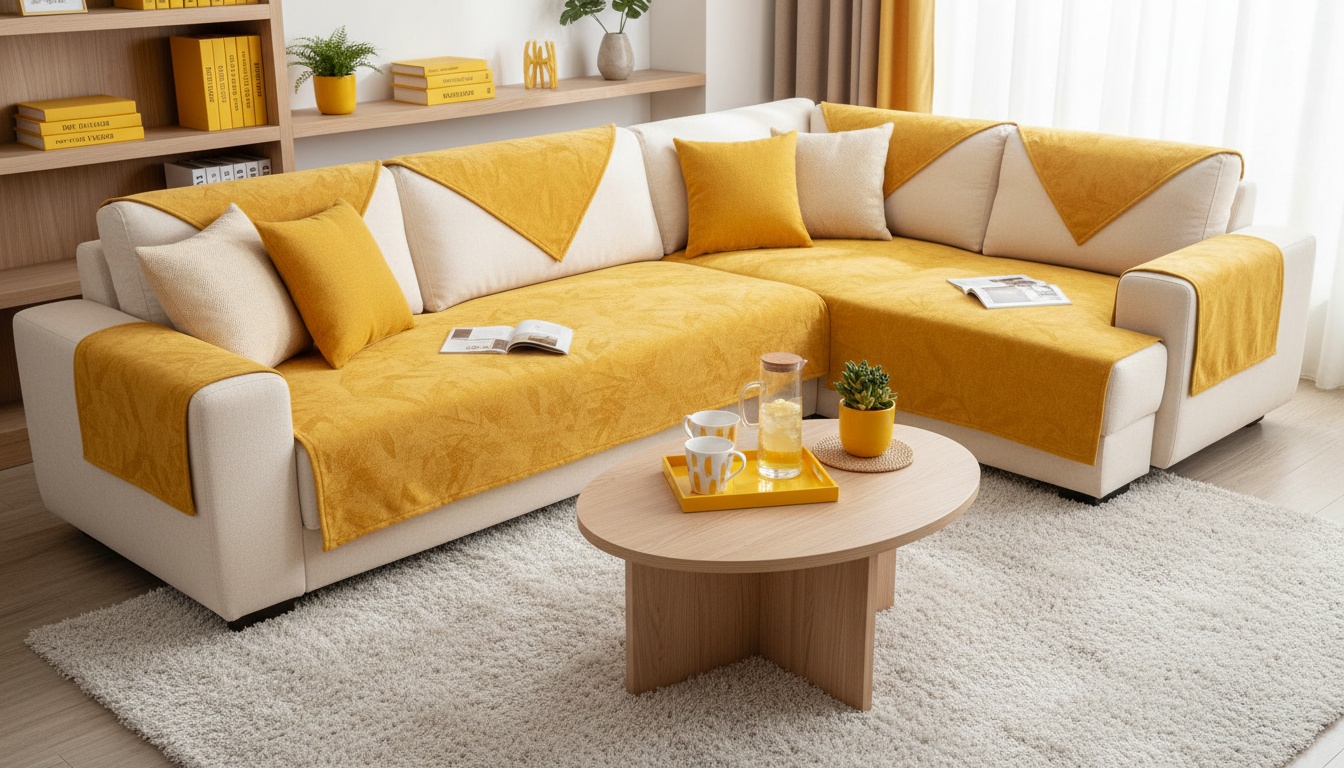
The highest-impact prevention moves (that don’t feel restrictive)
- Use washable throws strategically: drape where skin oils and pet fur hit most (seat center + armrests).
- Create a “snack zone”: trays and coasters reduce accidental drips.
- Rotate cushions: spreads wear, prevents one-seat discoloration.
- Keep a small “spill kit” nearby 🧻: microfiber cloths, paper towels, mild soap, and a spray bottle of water.
- Control moisture: in rainy season, damp air + fabric = odors and slow drying.
If rainy season is your main enemy (mud, dampness, “amoy kulob”), connect this with your overall home routine—maintain a clean condo during CDO’s rainy season with entryway and moisture control.
Pet strategy (without banning your dog from the sofa 🐾)
Pets don’t just bring fur—they bring oils, dander, and microscopic grit that dull fabric.
- Brush pets regularly (less fur = less embedded debris).
- Keep nails trimmed (prevents snags and pilling).
- Use a washable cover on the pet’s favorite spot.
- Vacuum more often than you think you need (because abrasion is silent damage).
Safe care basics: what “gentle” really means
A lot of upholstery damage comes from good intentions: strong cleaner, hard scrubbing, lots of water. Upholstery is not tile. It’s layered—fabric + foam + backing + stitching—and the inside can hold moisture long after the surface looks dry.
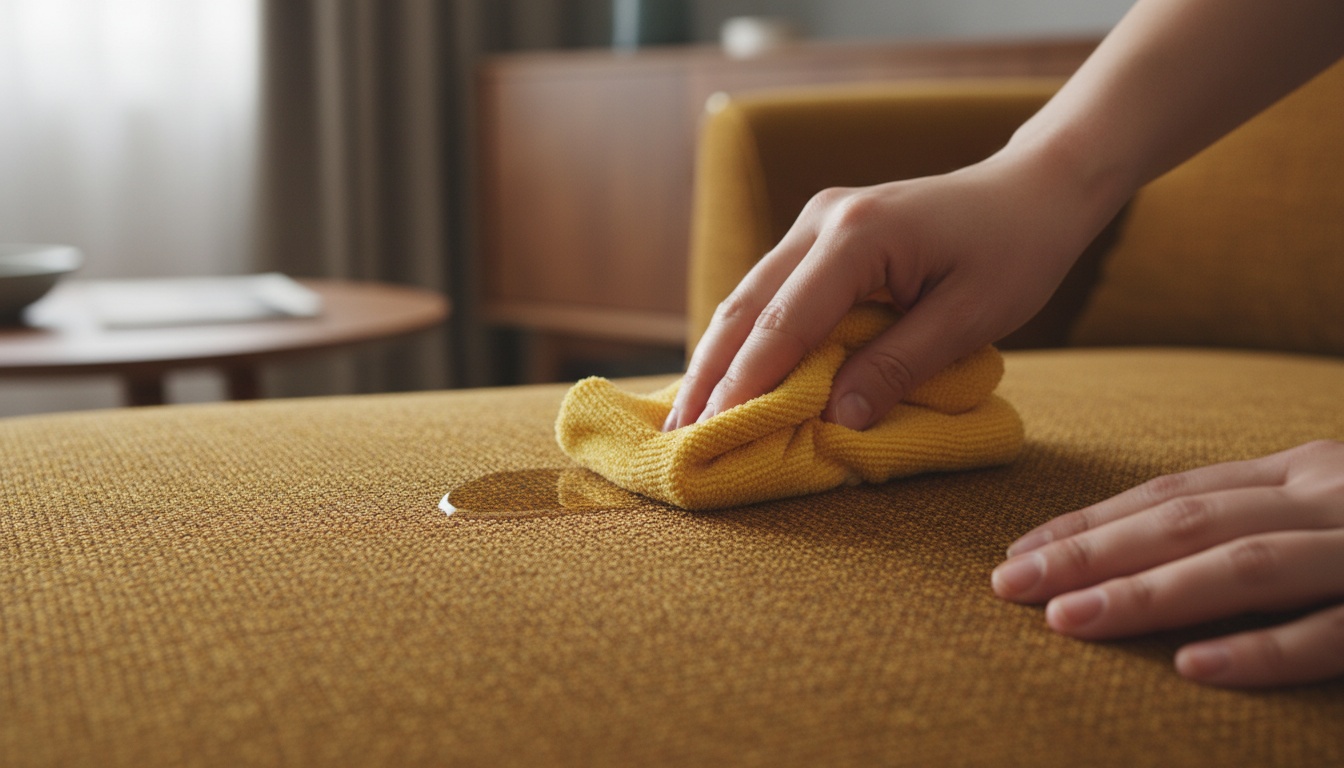
The safest cleaning hierarchy (for keeping furniture looking new)
Educational mindset (not step-by-step): think of cleaning like a ladder—start mild and move up only when needed.
- Dry removal: vacuuming and brushing remove abrasive grit first.
- Low-moisture spot care: minimal liquid reduces water marks and shrink risk.
- Controlled extraction: pulls out suspended soil without soaking cushions.
- Professional deep cleaning: for embedded oils, odors, and widespread discoloration.
If you skip straight to “soap + water + scrub,” you often lock the problem in.
Why microfiber matters (and why some cloths make it worse)
Microfiber is designed to grab fine particles. But not all microfiber is equal—some are too rough; some leave lint; some spread grease if overloaded.
For a deeper understanding (and better buying choices), this guide on microfiber cloth types, GSM, and washing tips is worth your time.
Steam, chemicals, or both? The trade-offs you should know
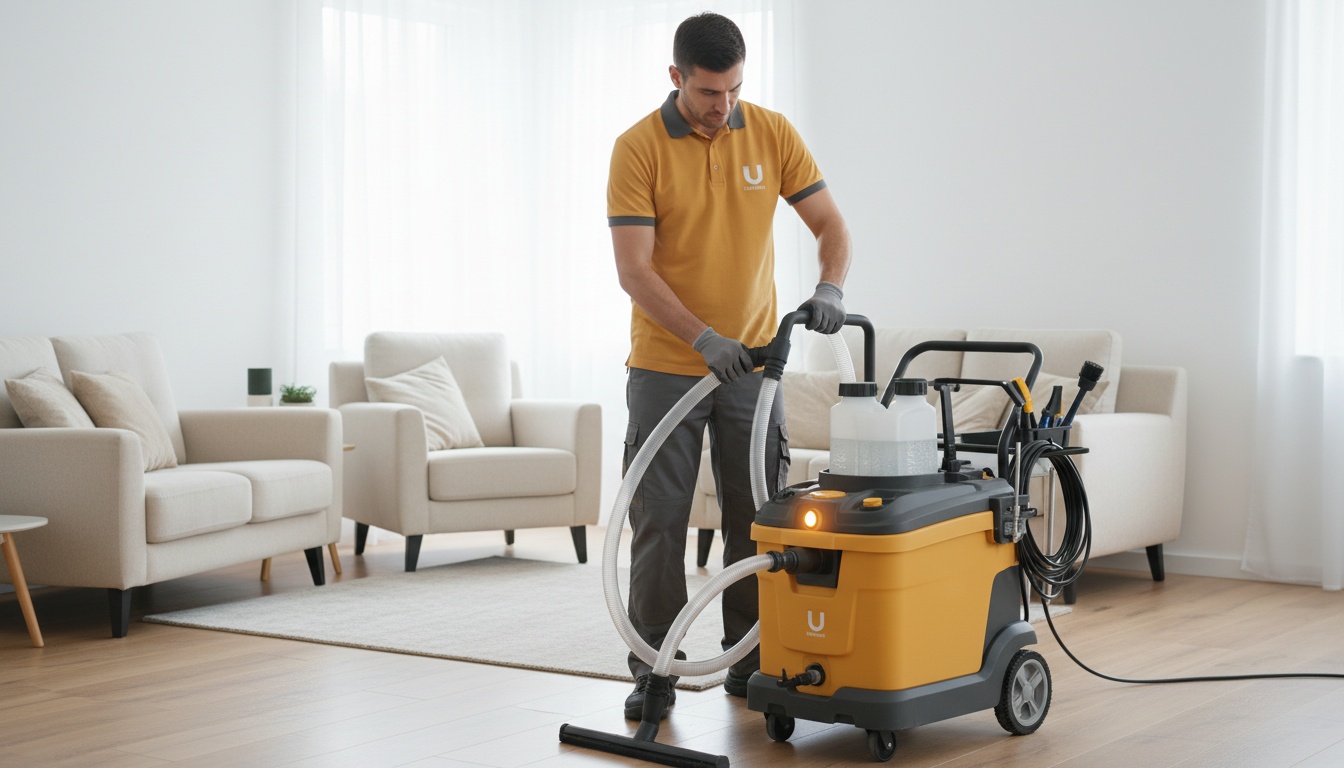
People love steam because it feels like the cleanest option. And sometimes it is. But upholstery has limits—especially with delicate fabrics, older foam, or poor ventilation.
A practical comparison (safety + results)
| Approach | Strengths ✅ | Risks ⚠️ | Best fit |
|---|---|---|---|
| Steam cleaning | Heat helps loosen grime; reduces some odors | Overwetting, shrinkage, water rings, longer dry time in humidity | Durable synthetics, well-ventilated areas |
| Chemical cleaners | Target specific soils (oil, tannins, protein stains) | Residue, fading, irritation if misused | Stubborn stains with correct product choice |
| Hot water extraction (controlled) | Deep soil removal + rinse | Needs strong suction and drying | Whole-sofa refresh, heavy use homes |
| Low-moisture encapsulation | Faster dry time | Not always enough for heavy oils | Maintenance cleaning between deep cleans |
If kids and pets are in the picture, you’ll care about residues and irritation risk. This deeper dive on steam cleaner vs chemical cleaners for kids and pets helps you choose based on real trade-offs, not hype.
The most common upholstery care mistakes (that you should stop doing)
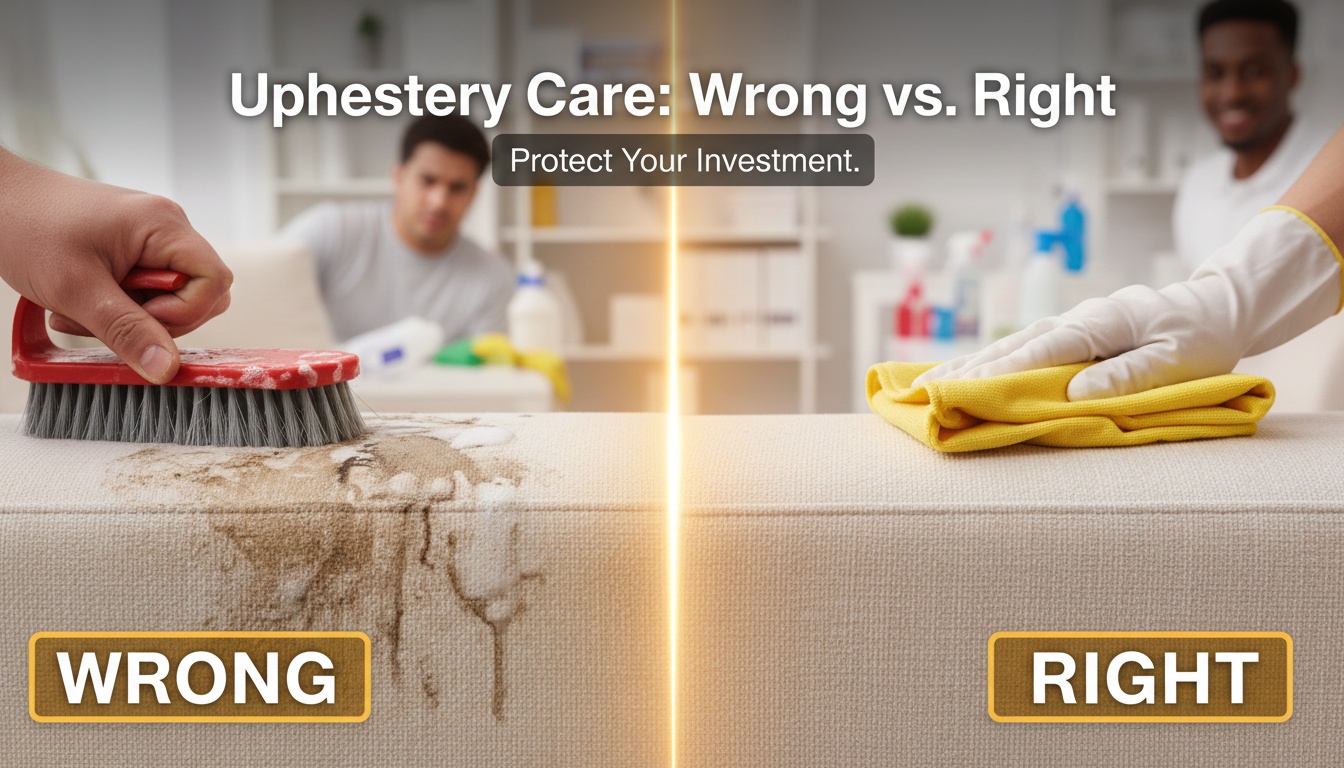
- Scrubbing stains: pushes soil deeper and frays fibers.
- Using bleach or strong oxidizers casually: can permanently lighten fabric and weaken threads.
- Overwetting cushions: causes water rings, musty smell, and potential mold growth.
- Mixing multiple cleaners: unpredictable chemistry; sticky residues attract dirt.
- Ignoring “invisible” dirt: dust and grit wear out fabric even when it looks fine.
If your sofa looks dingy quickly after cleaning, it’s often residue + re-soiling, not “bad fabric.”
Odor control: why “kulob” smells come back
Odors usually aren’t floating in the air for no reason—they’re trapped in fabric layers: body oils, food particles, pet dander, and moisture.
Why deodorizing sprays don’t solve the root problem
Deodorizers typically:
- mask smell with fragrance, or
- lightly neutralize odor on the surface
But if the cushion foam is holding moisture or oils, odor returns—especially in humid weather. Real odor control is about removing the source and drying fully.
How often should upholstery be professionally cleaned?
This depends on lifestyle, not just time. A showroom-clean sofa with no kids/pets needs less frequent deep cleaning than a daily-use family couch.

Frequency guide (CDO-friendly)
| Home/usage scenario | Suggested deep cleaning cadence | Why |
|---|---|---|
| Low traffic (formal living room) | Every 12–18 months | Prevents gradual dulling |
| Daily-use family sofa | Every 6–12 months | Oils + abrasion build up fast |
| Kids + pets | Every 4–8 months | Allergens, odor, stains |
| Airbnb/short-term rental | Every 1–3 months (or as needed) | Guest turnover + hygiene standards |
If your sofa is your “main seat” every day, waiting until it looks dirty is usually too late—embedded soil wears fibers before your eyes can tell.
When DIY is fine vs when you should call pros
DIY is great for quick response and light upkeep. But there’s a point where “trying harder” makes it worse.
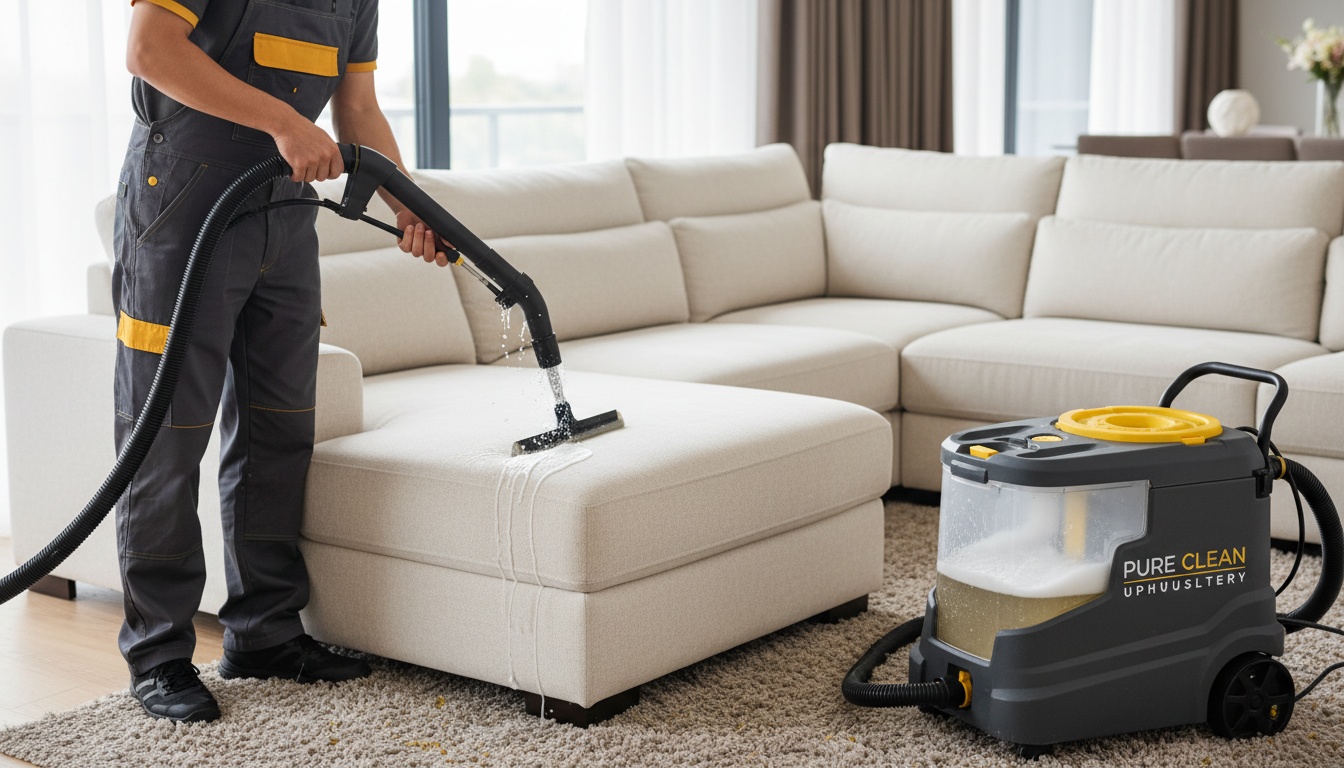
It’s time to bring in professional upholstery cleaning when:
- stains keep reappearing after drying (wicking from cushion interior)
- the fabric feels sticky or looks dull (residue + soil bonding)
- there’s persistent odor after airing out
- you see water rings or shading from past spot cleaning
- the sofa has delicate fabric codes (especially S or X)
- you want to apply fabric protection evenly without over-application
If you’re ready to protect your investment and restore comfort, explore PrimeShineCDO’s cleaning services and upholstery options.
Quick “keep it new” checklist you can actually stick to ✅
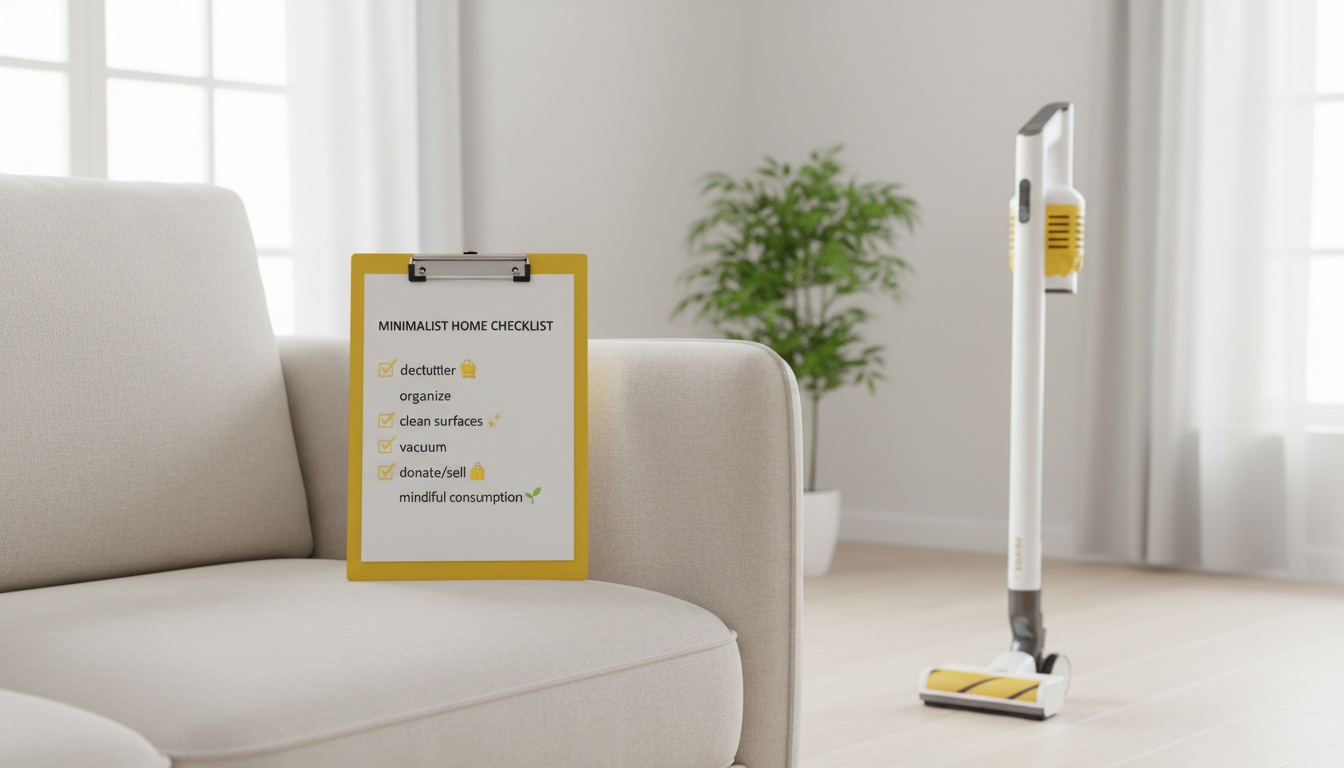
- Vacuum upholstery weekly (more if you have pets) 🐾
- Rotate cushions monthly
- Keep throws on high-contact zones
- Blot spills fast—don’t scrub
- Avoid overwetting; prioritize fast drying 🌬️
- Use a fabric protector if your sofa is light-colored or heavily used
- Schedule periodic deep cleaning before it looks “bad”
Keeping upholstered furniture looking new is a system, not a one-time clean
If you want the “new sofa look” to last, focus on three pillars:
- Fabric protection (to slow absorption and buy time)
- Stain prevention habits (to reduce high-risk situations)
- Safe care (to avoid fiber damage, residue, and trapped moisture)
And when the sofa needs a true reset—deep soil removal, odor control, and even protection—professional cleaning saves you money long-term by extending the life of the fabric.
If you want help from a local team that shows up on time, follows checklists, and treats your home with respect, connect with PrimeShineCDO through the PrimeShineCDO contact page.