Steam Cleaner Vs Chemical Cleaners: Safer For Kids & Pets?
steam cleaner vs chemical cleaners for sofas and mattresses: which is safer for kids and pets? Compare residues, fumes, and humidity tips for Cagayan de Oro—read on.
Mar 25, 2026
Need a spotless space without interruptions?
PrimeShineCDO Cleaning Services uses punctual teams, clear checklists, and efficient cleaning methods for residential cleaning, sofa cleaning, carpet cleaning, and post-construction cleaning.
Contact UsIf you have kids who crawl everywhere 👶 or pets that treat the sofa like their personal bed 🐶, your cleaning choices matter more than you think. Sofas and mattresses are basically giant sponges—they trap dust, sweat, skin flakes, food crumbs, pet dander, and odor deep in the fibers. And when you clean them, whatever you use (steam or chemicals) can either make your home healthier… or leave behind residues and fumes you don’t want near small lungs.
This guide breaks down steam cleaner vs chemical cleaners for sofas and mattresses: which is safer for kids and pets—with a side-by-side analysis, practical scenarios, and what you should do in a humid PH setting like Cagayan de Oro.
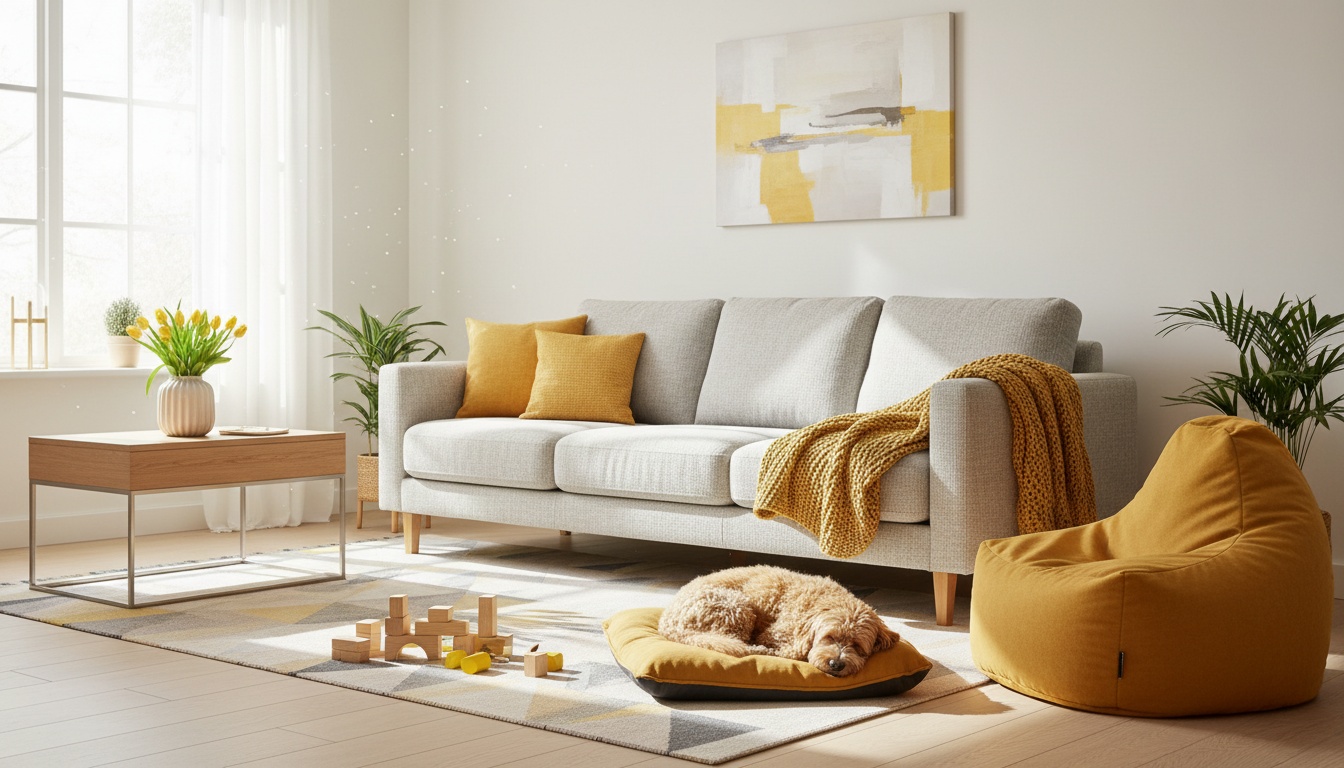
The real question: “safer” in what way?
When you say “safe for kids and pets,” you’re usually worried about four things:
- Inhalation risk (fumes/VOCs, aerosols)
- Skin contact risk (irritation, rashes)
- Ingestion risk (kids licking hands, pets grooming paws/fur)
- Microbe and allergen control (dust mites, bacteria, mold risk)
Steam and chemical cleaning each handles these differently. Let’s compare them properly.
Quick comparison: steam vs chemical cleaners (sofas & mattresses)
| Factor | Steam cleaning (hot water vapor) | Chemical cleaners (sprays/shampoos/solvents/disinfectants) | Safer pick for kids & pets |
|---|---|---|---|
| Residue on fabric | Minimal if done correctly | Can leave residue if overapplied/not extracted | Steam ✅ |
| Fumes/VOCs | Low (mostly water vapor) | Can be moderate to high depending on product | Steam ✅ |
| Allergy sensitivity | Usually gentler | Fragrance + additives can trigger reactions | Steam ✅ |
| Stain removal power | Good, but not magic for oil/dye | Often stronger on specific stains | Depends ⚖️ |
| Odor removal | Good for freshening + lift grime | Some mask odor; enzyme cleaners can truly break it down | Depends ⚖️ |
| Sanitizing | Heat can reduce germs if applied correctly | Disinfectants can be strong but may be harsh | Steam (most homes) ✅ |
| Risk of fabric damage | Heat/moisture can harm some materials | Bleaching/solvents can discolor or weaken fabric | Depends ⚖️ |
| Drying time | Can be longer if over-steamed | Can be long if oversaturated; some quick-dry options | Tie ⚖️ |
| Mold risk (humid PH) | Higher if left damp | Also high if left damp | Technique matters ✅ |
The takeaway is clear: for most family homes, steam is the “default safer” option because it reduces fumes and residue.
But chemicals still have a place—especially for specific stains and biological odors (pee, vomit, sweat).
How steam cleaning works (and why families like it) 🔥
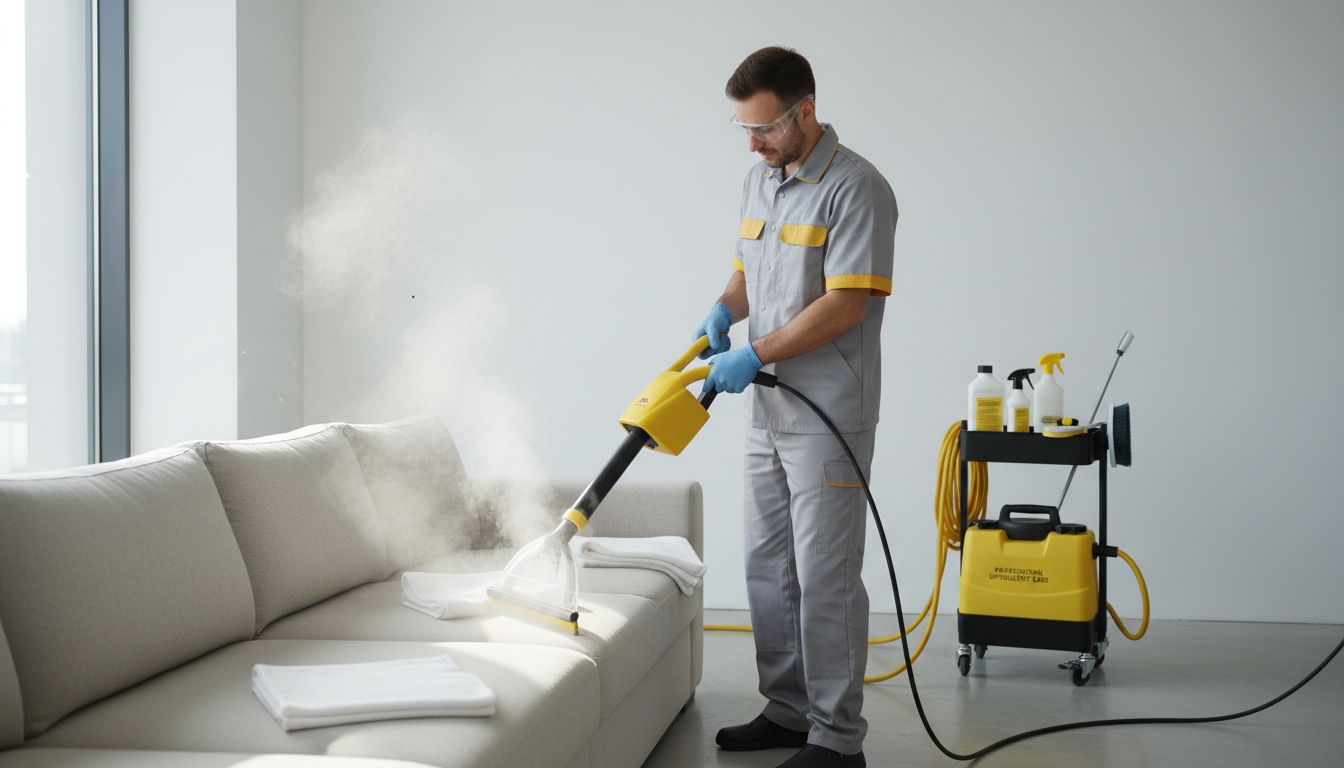
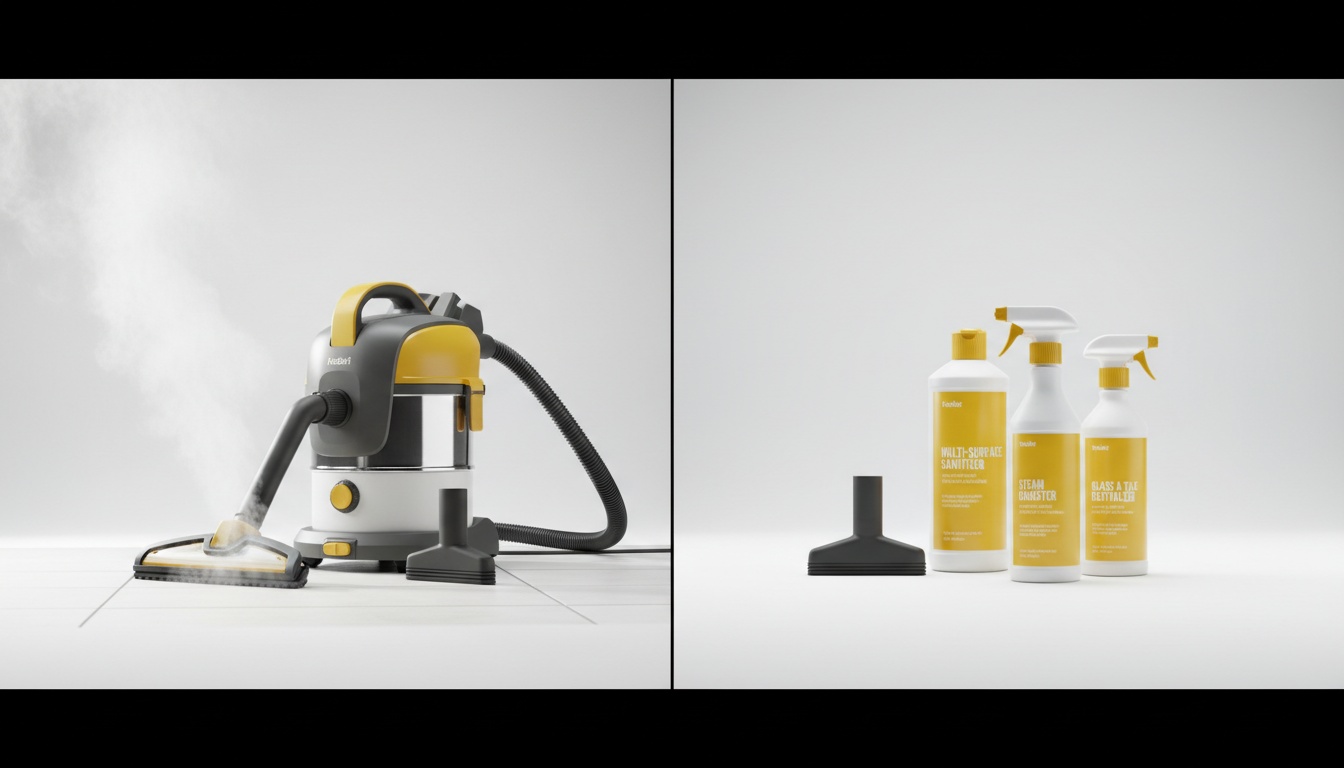
Steam cleaning uses hot vapor to loosen grime and lift debris from upholstery and mattress surfaces. In real-world home use, it’s often paired with extraction (vacuuming out moisture/dirt) or microfiber wiping.
Why it’s usually safer for kids and pets:
- No strong scent clouds lingering in a closed room
- Less risk of residue transfer onto skin, pajamas, fur, and paws
- Great for dust mite/allergen reduction when paired with proper vacuuming
But let’s be honest: steam cleaning isn’t automatically safe just because it’s “chemical-free.” If you leave the sofa damp, you can trade “clean” for musty odor and mold risk—especially in CDO humidity.
How chemical cleaners work (and where the risks come in) 🧪
Chemical cleaners can include:
- Detergents/shampoos (for soil removal)
- Spot removers (solvent-based for ink/grease; oxidizers for stains)
- Disinfectants (quats, alcohols, bleach-based products)
- Enzymatic cleaners (break down proteins/urine/biological odor)
- Deodorizers/fragrances (often just “cover” smells)
What makes them riskier for kids and pets:
- Residue can remain in fabric, especially if the product isn’t extracted thoroughly
- Fragrance and VOCs can irritate sensitive noses and lungs
- Some products are unsafe if licked or ingested (pets grooming, toddlers chewing fabric edges)
That doesn’t mean “never use chemicals.” It means use the right chemical for the right job, then remove it properly.
Mattresses: where safety standards should be stricter
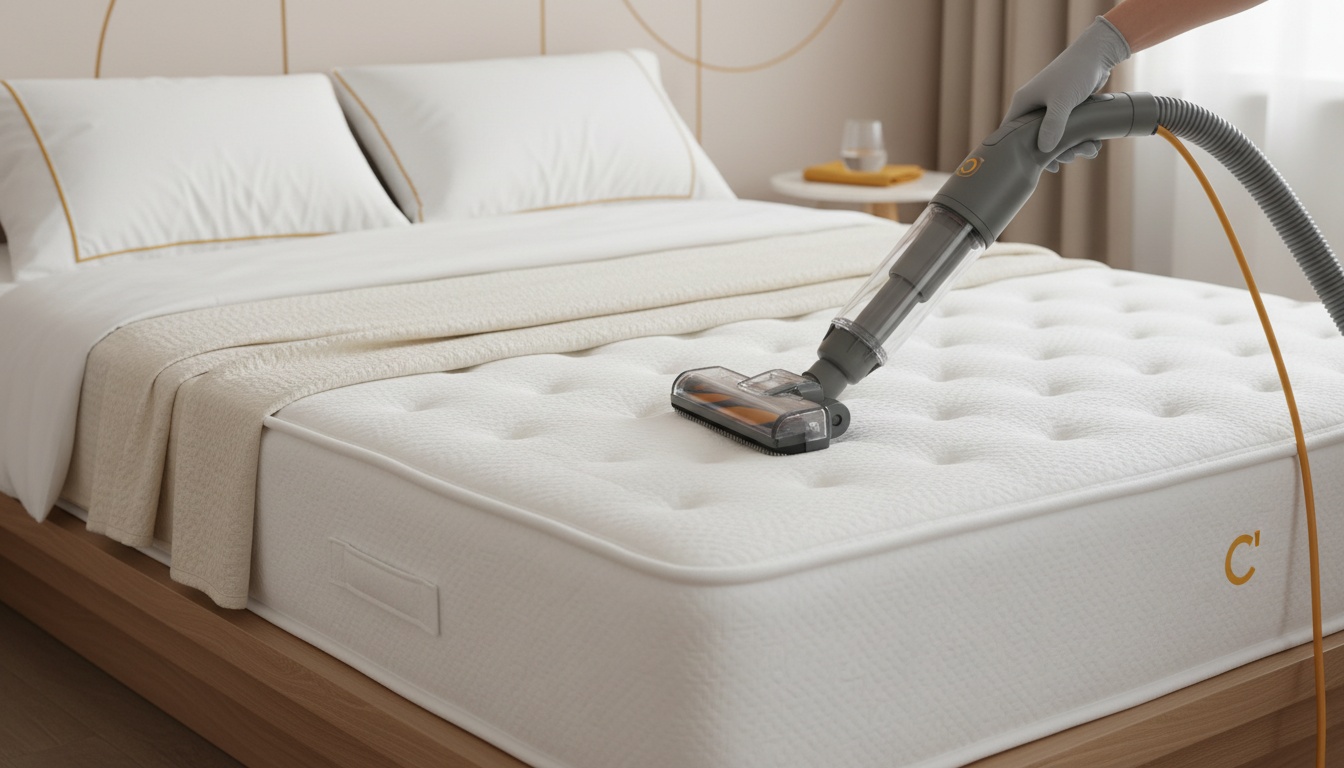
Your mattress is different from your sofa in one big way: your face is right on it for hours.
Steam on mattresses
Pros:
- Great for freshening, lifting grime, and reducing allergens
- Lower chemical exposure when you sleep
Cons:
- Over-wetting can soak deeper layers and become a humidity trap
- If you don’t dry it fast, you risk mildew smell (and that’s a nightmare)
Chemicals on mattresses
Pros:
- Enzymes can be excellent for sweat/urine/biological odor
- Targeted spot treatment can beat steam for stubborn stains
Cons:
- Higher risk of skin irritation and lingering smell
- Some “disinfectant” use is unnecessary overkill for a home mattress and can be harsh
Family-safe rule: For mattresses, prioritize minimal moisture + minimal residue. If a chemical is needed, go targeted (spot only), not “spray the whole bed.”
Sofas: where residue and re-soiling are the hidden problems
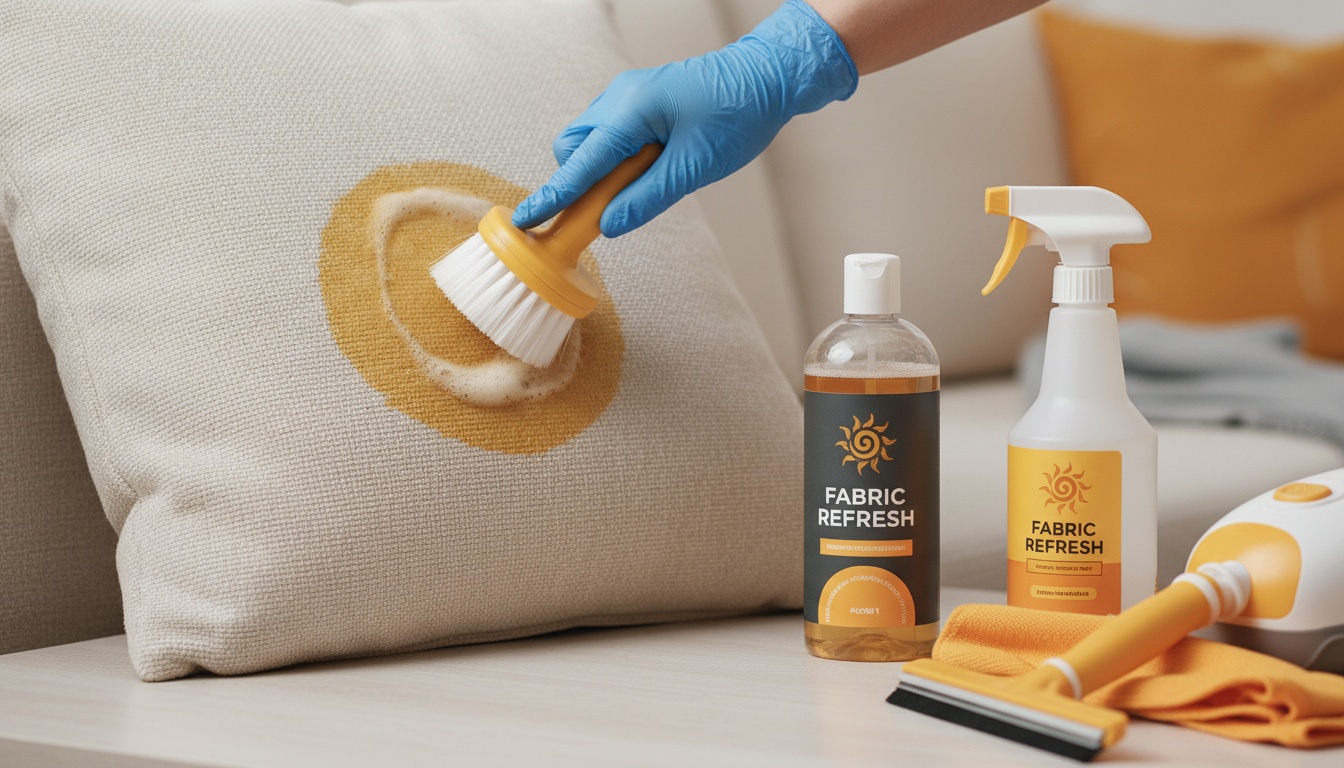
Sofas get constant contact: bare legs, kids rolling around, pets nesting. So residue matters.
Steam on sofas
- Strong choice for routine deep cleaning
- Helps reduce “lived-in” smell without loading fabric with fragrance
- Lower exposure when kids climb and nap on it
Chemical cleaners on sofas
- Useful when you have:oil/grease stainsink/markerheavy food spillspet urine odor
- Risk increases when:product is overappliednot extracted or rinsedleft with a sticky residue that attracts dirt faster (hello, re-soiling)
If you’re dealing with odor + stains, read this next: Learn how to remove sofa odors and stains without damaging upholstery
What’s safest for kids and pets? Use-case decisions (not guesswork)
| Your situation | Best approach | Why it’s safer |
|---|---|---|
| Baby crawls on sofa daily 👶 | Steam + extraction | Less residue transfer to skin/hands |
| Pet sleeps on couch 🐾 | Steam for routine + enzyme spot treatment for accidents | Steam reduces allergens; enzyme handles biological odor |
| Asthma/allergy in the house 🤧 | Steam + HEPA vacuuming | Avoid fragrance/VOCs; reduce allergens |
| Visible urine/vomit smell | Enzyme cleaner (targeted) + extraction | Steam alone may “set” protein odors if not handled right |
| Grease/food stains | Targeted chemical spot remover + rinse/extract | Chemicals can outperform steam on oils |
| Musty smell after cleaning (common in humid PH) | Less moisture + faster drying + dehumidify/fan | The real danger is dampness, not the tool |
The biggest safety risks (and how to avoid them)
Risk #1: Lingering residue (chemical cleaners)
Avoid it by:
- Using the least amount that works
- Rinsing/extracting properly (not just wiping)
- Avoiding heavily fragranced “all-purpose” sprays on upholstery
Risk #2: Over-wetting (steam or chemicals)
Avoid it by:
- Doing multiple light passes instead of soaking
- Using extraction to pull moisture out
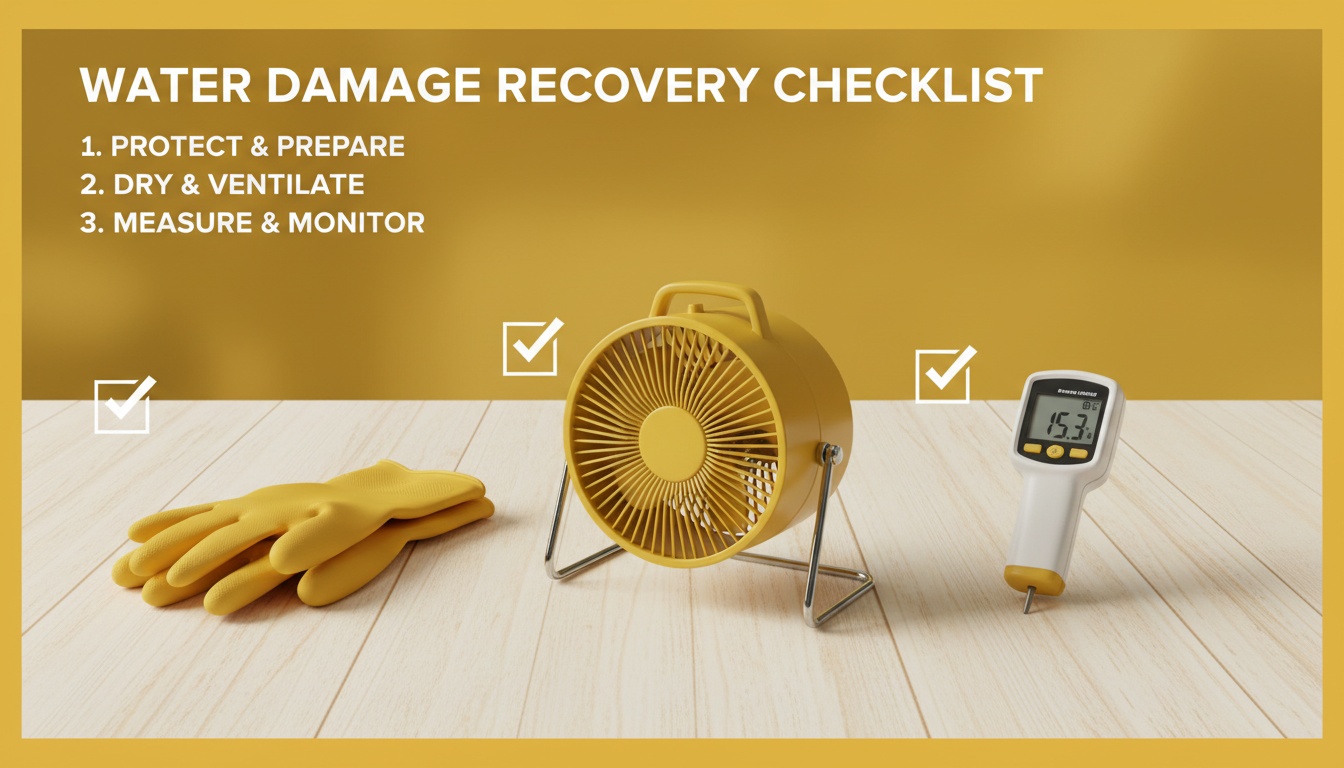
- Drying with fan + open windows (or AC/dehumidifier if available)
Risk #3: Using the wrong product on the wrong fabric
Some upholstery can’t handle high heat or strong solvents.
Do this every time:
- Check the fabric tag (W, S, WS, X)
- Spot test in a hidden area
- If you’re unsure, don’t freestyle it—get a pro
If you want a practical home-ready process, this guide helps: See a safe way to prep your home before a professional cleaner arrives
“Green” and “baby-safe” labels: what you should watch for 👀
A product can be marketed as “natural” and still irritate sensitive skin or pets.
Watch out for:
- Heavy fragrance oils (can still trigger allergies)
- “Disinfectant” claims on porous fabric (often unnecessary for routine use)
- No clear instructions on rinsing/extraction
Look for:
- Clear dilution ratios
- Guidance for upholstery use
- Non-fragranced or low-fragrance options
- Enzyme-based products for bio odors (used only where needed)
For Cagayan de Oro homes: humidity changes the rules 🌧️
In CDO, the “cleaning” isn’t finished until the fabric is dry.
Your drying checklist:
- Run an electric fan pointed across the surface (not straight down)
- Keep cushions separated and upright to increase airflow
- Avoid putting sheets/covers back until fully dry
- If it still feels cool/damp after a few hours, it’s not ready
In humid weather, the safer method is the one that dries fastest with the least residue. That’s usually steam + proper extraction (or targeted chemical + extraction), not “spray and pray.”
When you should hire a professional (especially with kids and pets)
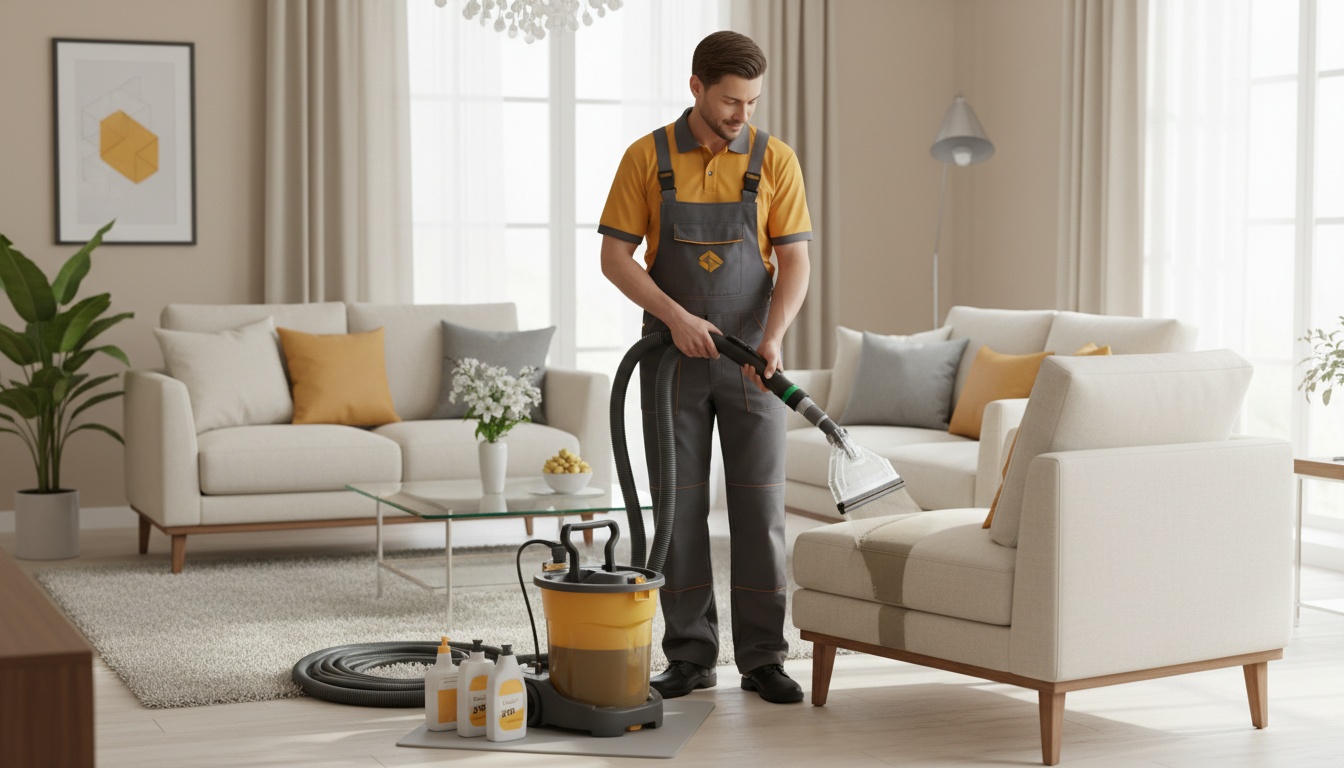
DIY can work for light maintenance. But if you’re trying to keep a family home truly safe, pros bring three things you can’t easily replicate:
- Controlled chemical use (right product, right dilution, right fabric)
- Extraction power (pulls out soil + moisture instead of pushing it deeper)
- Process + checklist (no skipped steps, no lingering damp spots)
If you’re comparing service options, start here: Browse PrimeShineCDO’s cleaning services
And if you’re picking a provider, don’t ignore the basics—insurance, checklists, and reliability matter: How to choose a trustworthy cleaner in Cagayan de Oro
Final verdict: steam cleaner vs chemical cleaners—what should you choose?
If your priority is kids and pets safety, here’s the straight answer:
- Choose steam cleaning as your primary method for sofas and mattresses ✅
It’s generally lower-residue and lower-fume, which is what most families need. - Use chemical cleaners selectively for the jobs steam struggles with ⚖️
Think urine, vomit, sweat odor, grease, ink—and only if you can extract/rinse properly. - In PH humidity, drying is non-negotiable 🌬️
Over-wet fabric is the hidden hazard, no matter what you use.
If you want a safer, hassle-free deep clean (without harsh smells lingering around your family), PrimeShineCDO can help you get it done right—efficient, careful, and checklist-driven.