Carpet Vs Tile Flooring For CDO Households: Cleaning, Allergy, Upkeep
Carpet vs tile flooring for CDO households: cleaning effort, allergy impact, and long-term upkeep—see which fights humidity, dust, and mildew with less weekly work.
Mar 10, 2026
Need a spotless space without interruptions?
PrimeShineCDO Cleaning Services uses punctual teams, clear checklists, and efficient cleaning methods for residential cleaning, sofa cleaning, carpet cleaning, and post-construction cleaning.
Contact UsIf you’re weighing carpet vs tile flooring for CDO households: cleaning effort, allergy impact, and long-term upkeep, you’re really deciding what kind of maintenance lifestyle you want. Cagayan de Oro’s heat, sudden rains, and humidity make dust, damp smell, and mildew a constant opponent—so your flooring choice can either make cleaning easier… or quietly add work every week. 🧼
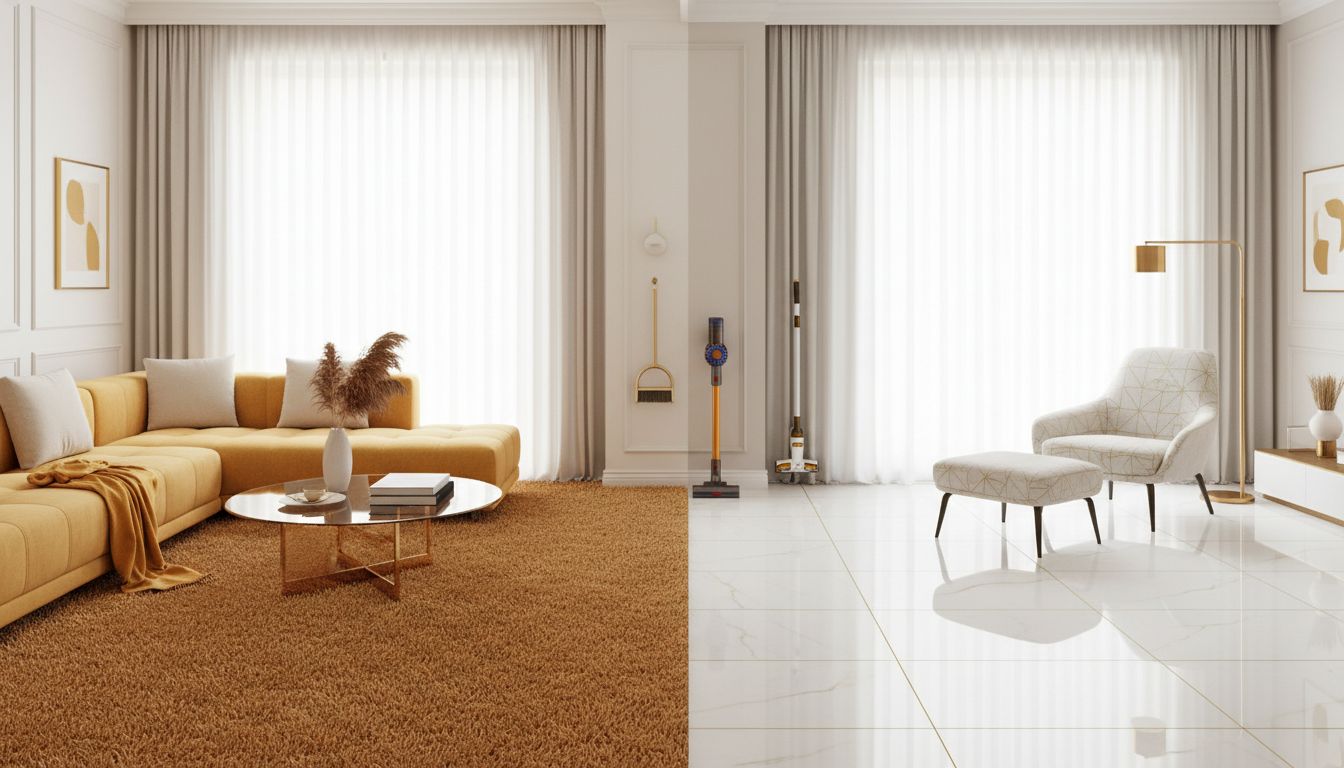
Below is a practical, side-by-side breakdown focused on what matters most: daily cleaning effort, allergy and indoor air impact, and long-term upkeep costs—with CDO realities in mind (mud from rainy days, fine dust, and moisture).
Quick verdict (for busy homeowners) ✅
If you want the “headline” decision:
- Choose tile if you want faster daily cleaning, better humidity tolerance, and lower allergy load in most CDO homes.
- Choose carpet if you value comfort, warmth, noise reduction, and you’re willing to commit to routine vacuuming + periodic deep extraction to keep it hygienic.
The takeaway is clear: tile is simpler to maintain in CDO, but carpet can still work if you manage moisture, dust, and deep cleaning properly. 👍
Comparison table: Carpet vs tile for CDO homes
Because this decision is all about trade-offs, here’s the clearest at-a-glance view.
| Factor (CDO reality) | Carpet | Tile |
|---|---|---|
| Daily cleaning speed | Slower (vacuum + spot-checks) | Fast (sweep + mop) |
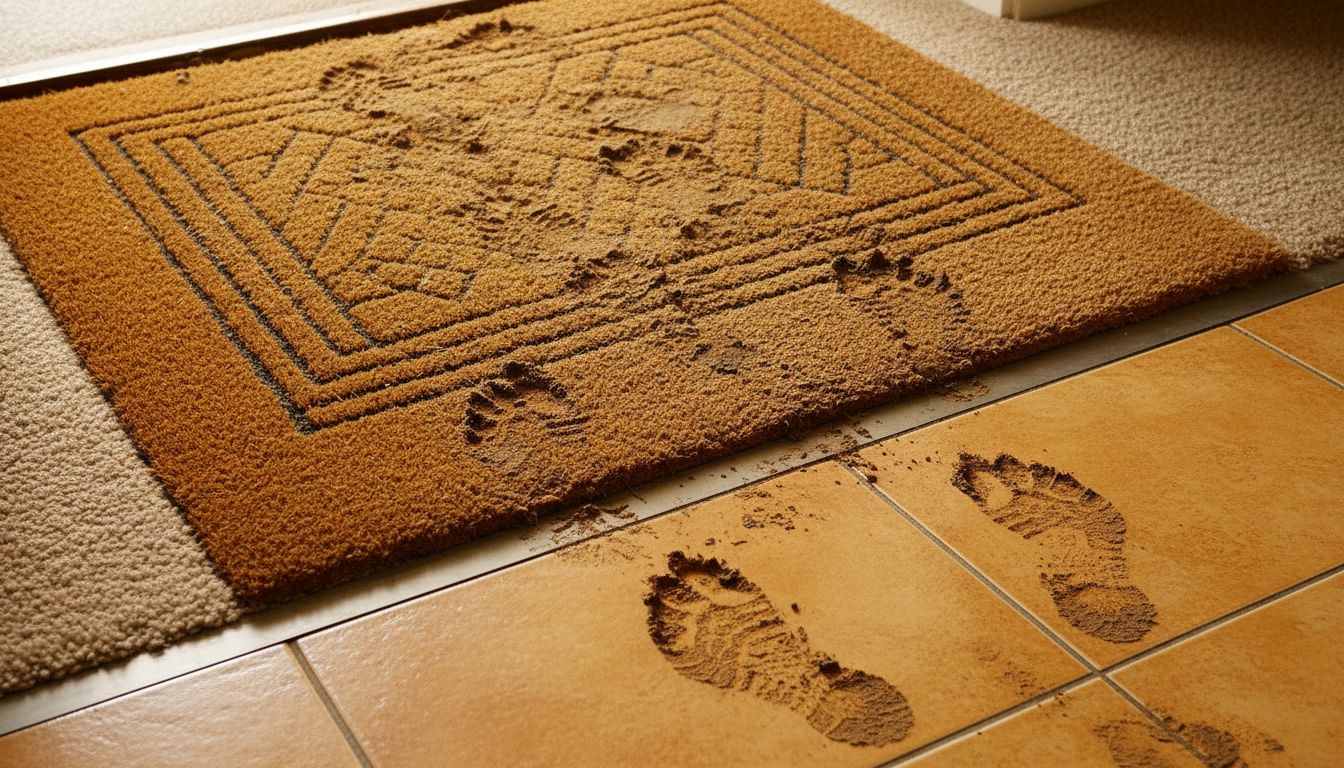
| Mud/rainy-day mess | Absorbs, stains easier | Wipes off easily |
| Humidity & odor risk | Higher risk if damp 🥴 | Low risk (but grout can darken) |
| Allergy impact | Can trap allergens; needs strict routine | Less trapping; easier removal |
| Comfort underfoot | Soft, cozy | Hard, cooler |
| Noise reduction | Excellent (absorbs sound) | Echo-prone without rugs |
| Stain resistance | Depends on fiber; spills can set | Tile resists stains; grout doesn’t |
| Long-term upkeep | Deep cleaning required | Grout maintenance + occasional reseal |
| Best rooms | Bedrooms, low-traffic lounge areas | Living, dining, kitchen, entryway |
Cleaning effort in CDO: what day-to-day really looks like 🧹
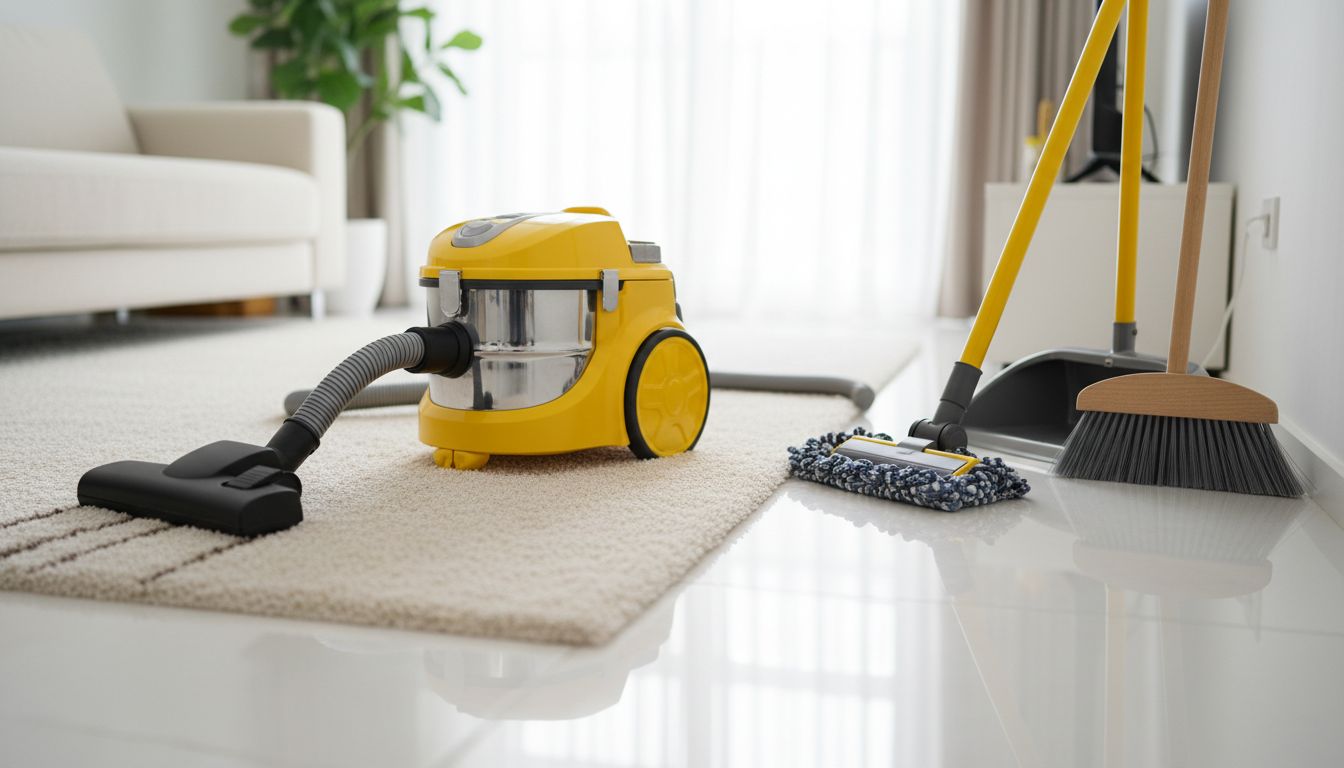
Let’s be honest: the floor you can clean quickly is the floor you’ll actually keep clean—especially if you’re working, commuting, or juggling kids.
Carpet: higher routine effort (but manageable)
Carpet needs consistent maintenance because dirt doesn’t just sit on the surface—it settles into fibers.
Typical weekly routine for carpet:
- Vacuum 2–4x/week (more if you have pets or kids)
- Spot-clean spills immediately (coffee, juice, muddy footprints)
- Deodorize periodically if odors build up during humid days
- Professional deep clean every 6–12 months (sooner for high traffic)
Where carpet gets annoying in CDO:
- Rainy days bring fine grit + moisture that can embed fast.
- Humidity can create that kulob smell if ventilation is poor.
- If you delay cleaning, stains “set,” and removal becomes harder.
If your home often has muddy shoes at the entrance, carpet near doorways is a headache. Full stop.
Tile: lower daily effort (but grout is the catch)
Tile wins on speed because most dirt stays on the surface.
Typical weekly routine for tile:
- Sweep or vacuum 3–7x/week (dust shows fast)
- Mop 1–3x/week
- Spot clean as needed (food, mud, spills)
Where tile gets tricky:
- Grout lines collect grime and can darken over time.
- Soap residue can leave a dull film if your cleaner isn’t rinsed well.
- Wet tile can be slippery—especially for kids and seniors (choose textured finishes for safety).
Allergy impact: dust, mites, molds—and what CDO humidity changes 🤧

Allergy impact isn’t just about “what looks clean.” It’s about what stays in your indoor air.
How carpet affects allergies
Carpet can act like a reservoir for:
- Dust
- Pollen
- Pet dander
- Dust mite debris
That sounds terrible, but here’s the nuance: carpet also holds particles so they don’t re-float as easily—until you walk on it, sit on it, or vacuum poorly.
What matters is your system:
- HEPA vacuum helps a lot
- Regular deep cleaning extracts what vacuums can’t
- Moisture control prevents odor and mold risk
If you already have allergy-sensitive family members, carpet is doable—but you need discipline.
For a deeper understanding of how humidity, molds, and indoor air behave in local homes, read Dust, molds, and humidity basics for healthier CDO indoor air.
How tile affects allergies
Tile is usually the easier choice for allergy control because:
- Allergens don’t embed into fibers
- You can remove particles by sweeping and wet mopping
- It doesn’t “hold” dust mites the same way textiles do
But tile isn’t magic. The allergy weak spots are:
- Dust accumulation in corners/under furniture
- Grout lines holding grime
- Mold in damp bathrooms if ventilation is poor
If allergy relief is your top priority, tile generally gives you more predictable results with less labor.
Long-term upkeep: what costs you time (and money) over years 💸
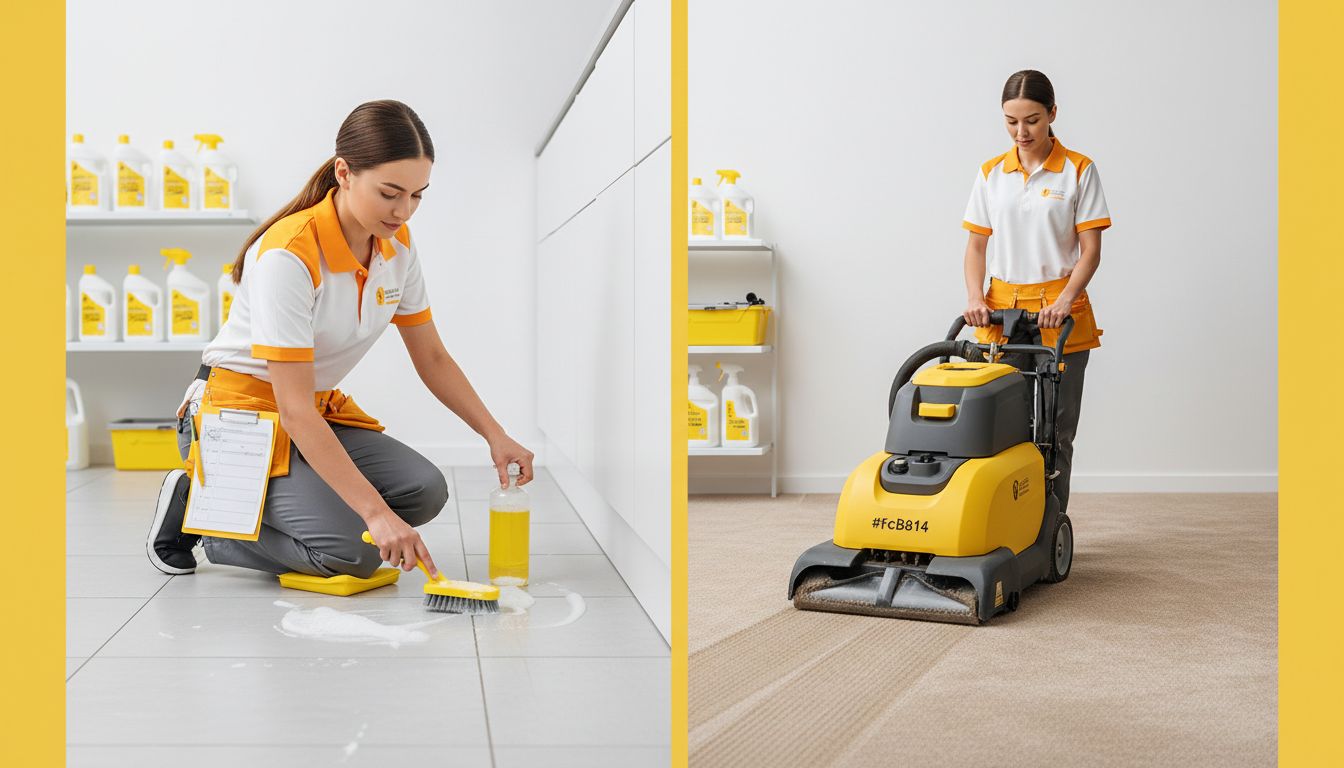
People underestimate long-term upkeep because floors look “fine” until they don’t—and by then, restoration is harder.
Carpet long-term upkeep: deep cleaning isn’t optional
Over time, carpets can:
- Mat down in high-traffic paths
- Hold odors if moisture events happen (spills, wet shoes, pets)
- Look dull even when vacuumed
To keep carpet looking and smelling fresh long-term:
- Plan professional carpet extraction regularly
- Handle stains quickly before they bind to fibers
- Avoid overwetting during DIY shampooing (humidity + slow drying = odor risk)
If you want a breakdown of method options (steam vs shampoo vs dry), check Carpet cleaning methods compared for CDO homes and offices.
Tile long-term upkeep: grout is the maintenance hotspot
Tile itself can last ages, but grout tends to:
- Darken
- Absorb stains
- Develop mildew in wet areas
Long-term tile care usually involves:
- Periodic grout scrubbing (especially kitchens and bathrooms)
- Resealing grout if applicable (depends on grout type and exposure)
- Regrouting small sections if cracking happens
So yes—tile is lower maintenance overall, but don’t ignore grout unless you want that “always looks slightly dirty” effect.
Room-by-room recommendations for CDO households 🏠

Here’s the practical approach most homeowners end up happiest with: use both strategically.
| Room/Area | Best pick | Why it works in CDO |
|---|---|---|
| Entryway / near doors | Tile | Handles mud, rainwater, grit easily |
| Living & dining | Tile (or tile + washable rug) | Easier daily cleaning, better for gatherings |
| Kitchen | Tile | Food spills + moisture = tile wins |
| Bedrooms | Carpet (or rugs) | Comfort + quieter footsteps |
| Hallways | Tile | High traffic = easier upkeep |
| Kids’ play area | Tile + play mats | Easier sanitizing, less odor risk |
| Condo units | Tile with area rugs | Less trapped smell in humid conditions |
If you love the “soft feel” but want tile practicality, the sweet spot is tile + removable area rugs (washable or easy to replace).
Cleaning routines that actually work (carpet vs tile) 🗓️
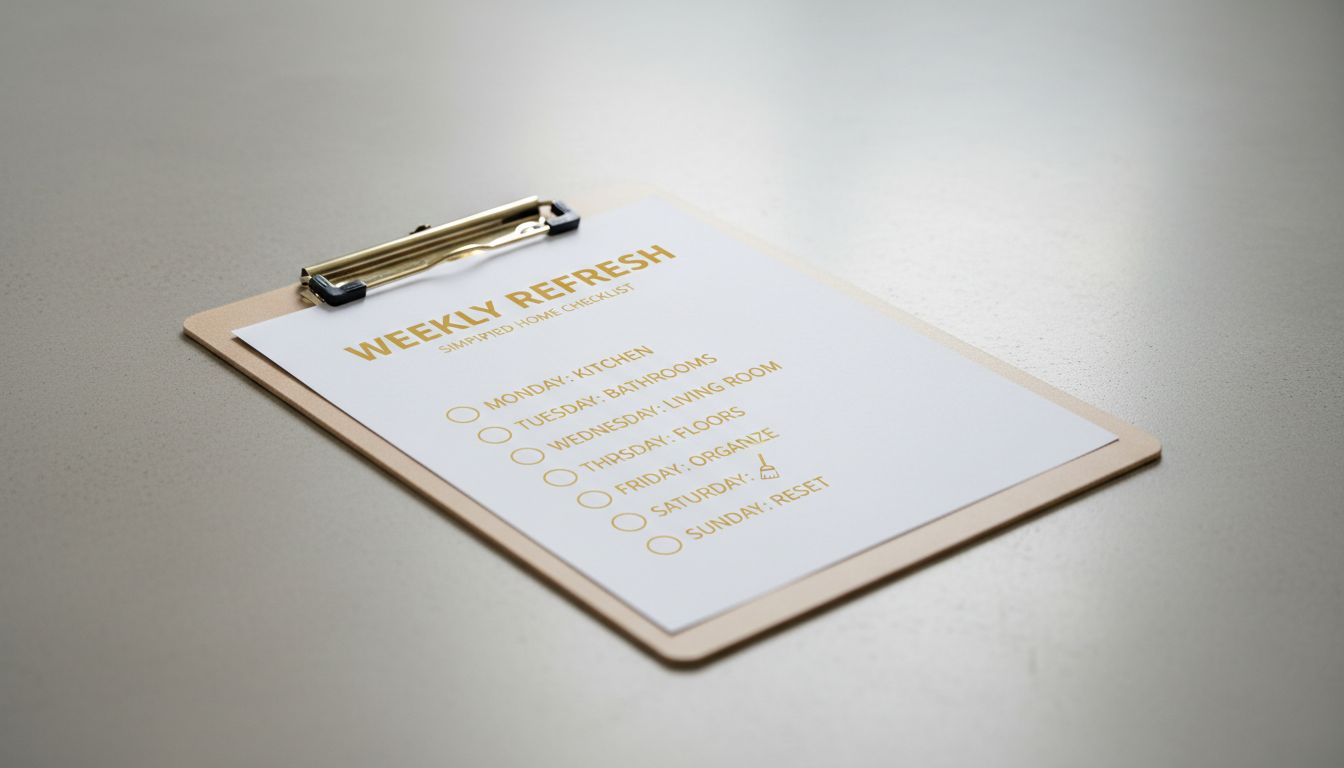
If you choose carpet: a realistic CDO schedule
- 2–4x/week: Vacuum (HEPA if possible)
- As needed: Immediate spot-cleaning
- Monthly: Deeper vacuum edges + under furniture
- Every 6–12 months: Professional deep cleaning (more often for pets, kids, rentals)
If you choose tile: a realistic CDO schedule
- Most days: Sweep high-traffic zones (dust builds fast)
- 1–3x/week: Mop with a cleaner that doesn’t leave residue
- Monthly: Detail grout lines in kitchen/bath areas
- Quarterly: Deep scrub or professional refresh if grout is staining
If you want a timing guide for when “regular cleaning” isn’t enough anymore, use this breakdown of deep cleaning vs regular cleaning for CDO homes.
Common CDO scenarios (and which flooring wins) 🌧️🐾
| Your situation | Better choice | Why |
|---|---|---|
| Frequent rainy-day foot traffic | Tile | Mud and moisture won’t soak in |
| Pets that shed | Tile (or carpet with strict routine) | Dander + hair is simpler to remove from hard surfaces |
| Family with asthma/allergies | Tile | Less allergen storage, easier sanitation |
| You hate mopping | Carpet | Vacuuming can feel “cleaner” than wet mopping for some |
| You hate vacuuming | Tile | Sweep + mop is faster for many households |
| You need quieter rooms | Carpet | Reduces echo and footstep noise |
| You run AC often | Tile | Stays cool, works well with CDO heat |
Video: flooring cleaning & maintenance basics (helpful context)
This is a solid visual refresher on everyday flooring care—use it to sanity-check your routine and tools before you commit.
Decision guide: choose what matches your cleaning personality 🧠
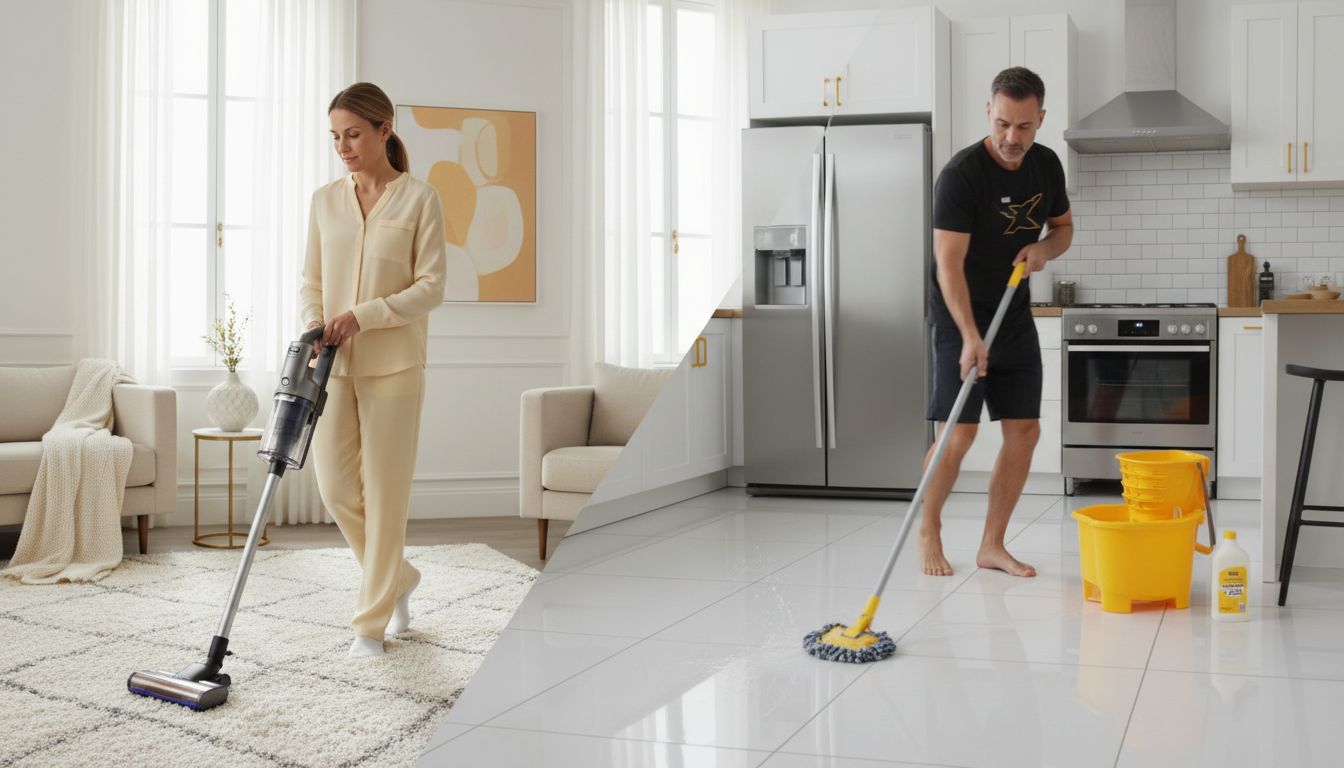
Ask yourself these blunt questions:
- Will you vacuum consistently even when you’re busy?
- Do you have kids/pets who bring constant debris?
- Do you prefer a floor that hides dust (carpet) or one that shows dust quickly (tile)?
- Is allergy relief a top household priority?
- Are you okay with periodic professional services (carpet extraction or grout deep scrubbing)?
My straightforward recommendation (CDO edition)
- If you want the least hassle in CDO’s humidity: tile.
- If you want comfort and quiet—and you’ll commit to maintenance: carpet (in low-moisture rooms only).
A lot of households do best with a hybrid: tile as the base, then area rugs or carpet only in bedrooms.
When professional help makes the most difference ✨
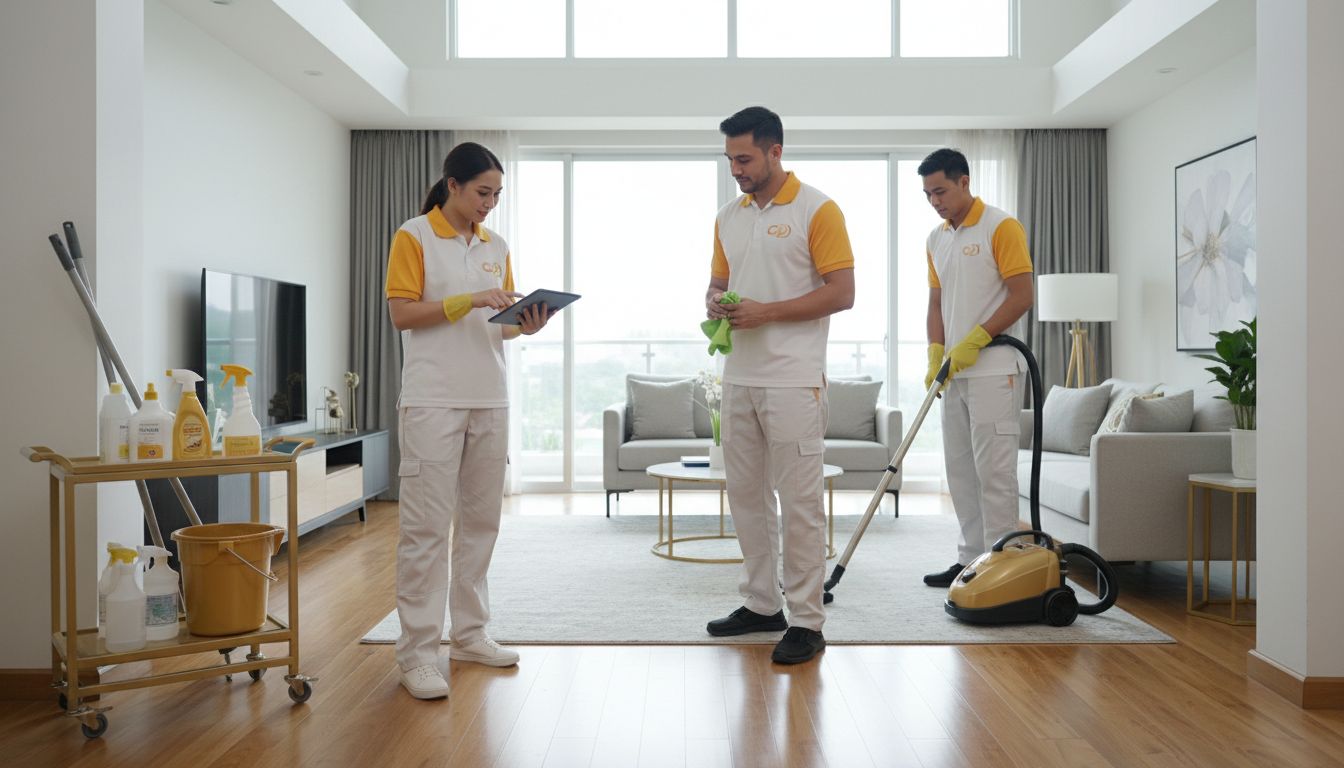
DIY cleaning works—until it doesn’t. The biggest value of pros is extraction power, drying control, and consistency.
Professional cleaning is worth it when:
- Your carpet smells “off” even after vacuuming
- Allergies flare indoors despite regular cleaning
- Grout lines stay dark no matter how much you scrub
- You’re moving in/out or preparing a rental/condo for turnover
If you want a reliable team that follows checklists and gets fast, noticeable results, explore PrimeShineCDO’s cleaning services or contact PrimeShineCDO to book a schedule that fits your week. ✅
FAQs: Carpet vs tile flooring in CDO homes

Is carpet a bad idea in humid places like CDO?
Not automatically—but it’s riskier if drying is slow, ventilation is poor, or rainy-day traffic is heavy. Keep carpet to bedrooms, control moisture, and schedule deep cleaning.
Does tile always mean healthier air?
Often yes for allergies, because allergens don’t embed. But you still need regular sweeping and corner detailing, and bathrooms must be kept dry to prevent mold.
What’s the easiest “best of both worlds” setup?
Tile everywhere for durability + washable area rugs for comfort where you need it (bedrooms, lounge area). You can remove, clean, or replace rugs without committing to wall-to-wall carpet maintenance.
Bottom line: what you should choose
If your priority is easy cleaning effort, better allergy control, and lower long-term upkeep, tile is usually the smarter choice for most CDO households.
If your priority is comfort and quiet, carpet can still be great—but only if you treat it like a system: vacuum, spot-clean fast, and deep-clean on schedule. 🧼