Dust, Molds, Humidity: Allergen and Indoor Air Quality Basics

If you live in Cagayan de Oro, you already know the pattern: warm days, sudden rains, and air that can feel thick. That combo makes homes more likely to collect dust, grow mold, and trap humidity—the three biggest drivers of indoor allergens and poor indoor air quality (IAQ). And yes, it affects how you feel day to day: sipon that won’t quit, itchy eyes, wheezing, headaches, even skin flare-ups. 😷
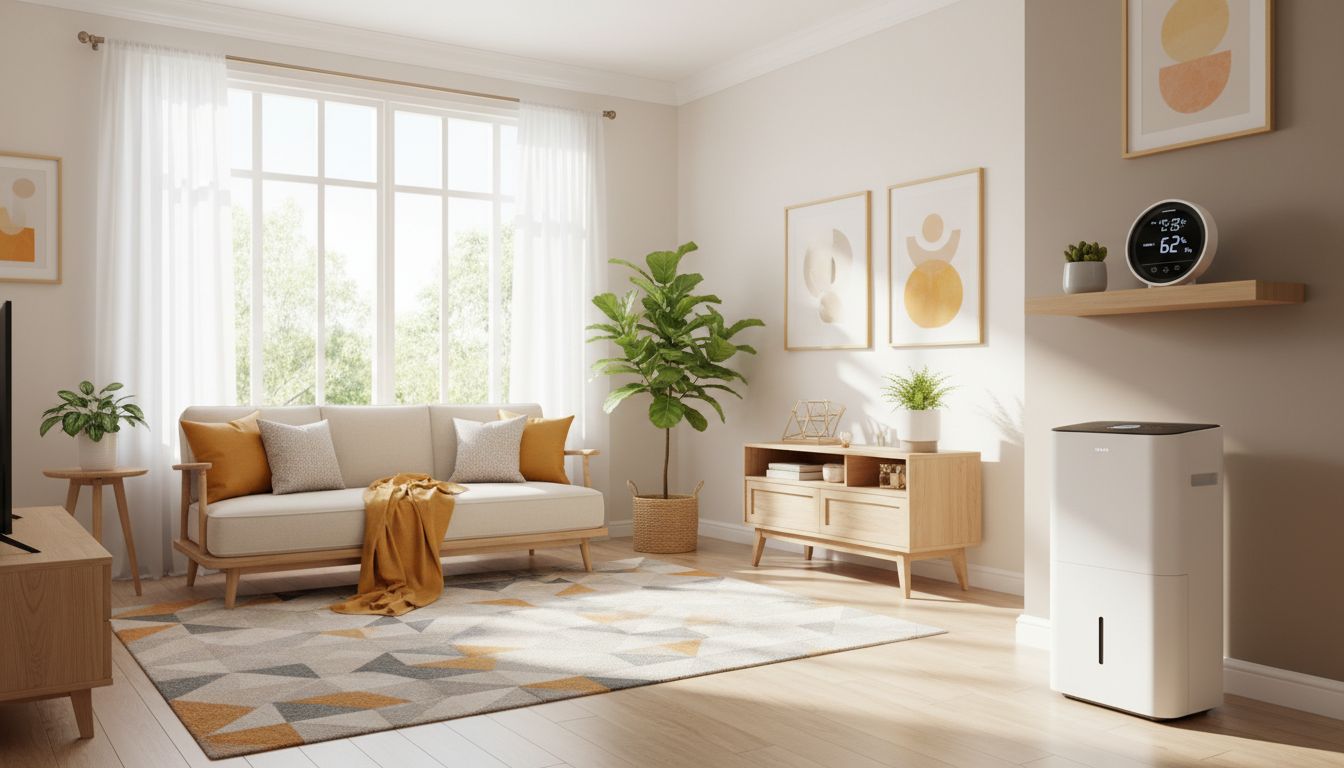
This guide breaks down the allergen and indoor air quality basics for CDO households: how dust, molds, and humidity affect homes and health—and gives you a step-by-step plan to fix the common root causes.
Why CDO homes are prone to dust, mold, and humidity issues 🌧️
CDO’s climate can push indoor moisture up fast—especially when you combine:
- Frequent rainfall + warm temperatures (perfect for mold growth)
- Closed windows + aircon use (traps moisture and stale air)
- Urban dust from roads/construction (settles into fabrics and corners)
- Small leaks (roof, bathroom, window frames) that quietly feed mold
The takeaway is clear: your home’s comfort isn’t just about “clean” surfaces—it’s about moisture control and particle control.
The “Big 3” you’re dealing with (and what they do to your body)
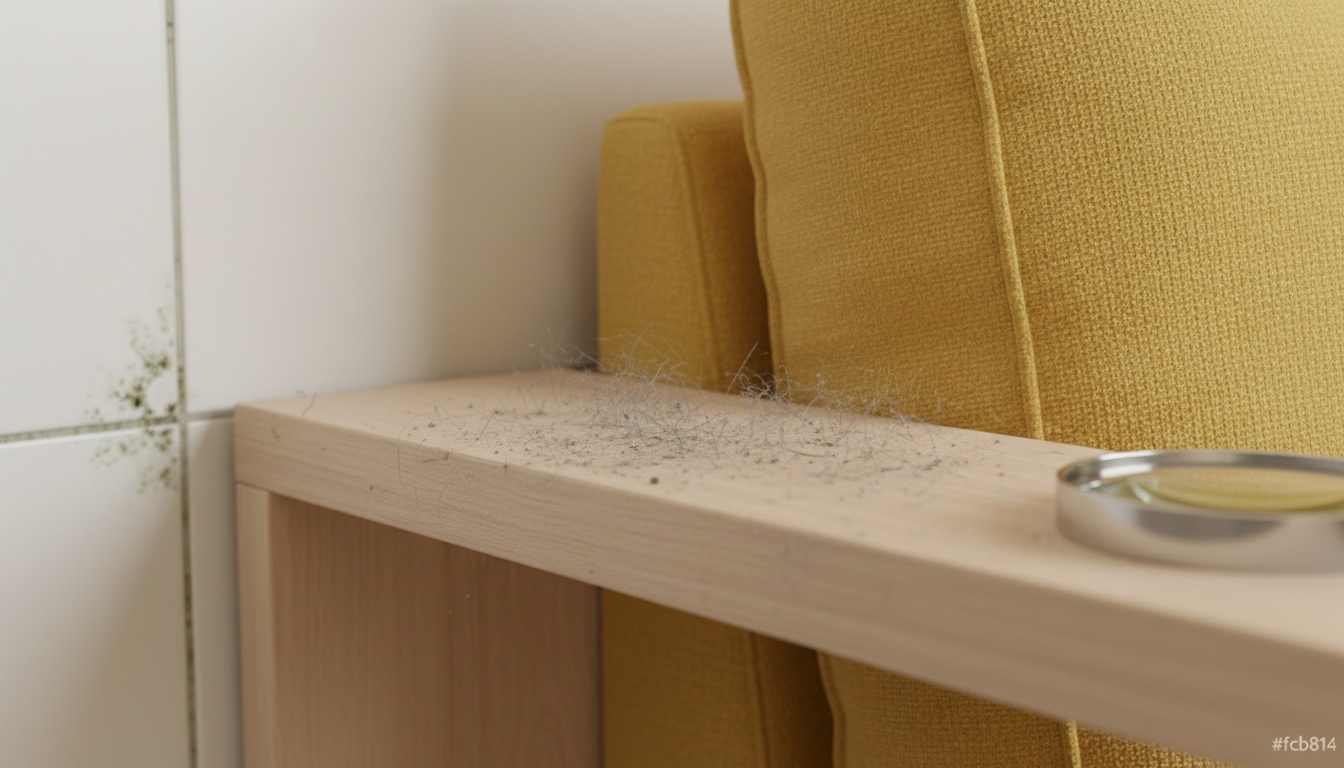
1) Dust (and what’s inside it)
Household dust isn’t just “dirt.” It’s a mix of:
- Dead skin flakes
- Soil and outdoor particles
- Textile lint
- Pet dander
- Dust mites and their waste
- Pollen
- Smoke residue (cooking, candles, nearby burning)
Common symptoms: sneezing, runny nose, itchy throat, asthma triggers, “heavy” feeling in rooms.
2) Mold (spores + musty compounds)
Mold grows where moisture sits long enough—often hidden:
- Behind cabinets
- Under sinks
- Inside aircon drip trays
- On bathroom ceilings
- Inside damp wardrobes
Mold releases spores (allergens) and can release musty-smelling compounds that irritate sensitive people.
Common symptoms: persistent cough, sinus pressure, itchy eyes, headaches, asthma flare-ups.
3) Humidity (the invisible enabler)
Humidity doesn’t just feel uncomfortable. It:
- Helps dust mites thrive
- Speeds up mold growth
- Makes fabrics and surfaces hold onto odors
- Can worsen skin irritation for some people
Common symptoms: poor sleep, congestion, “sticky” discomfort, worsening allergies.
Quick baseline targets (so you know what “good” looks like)
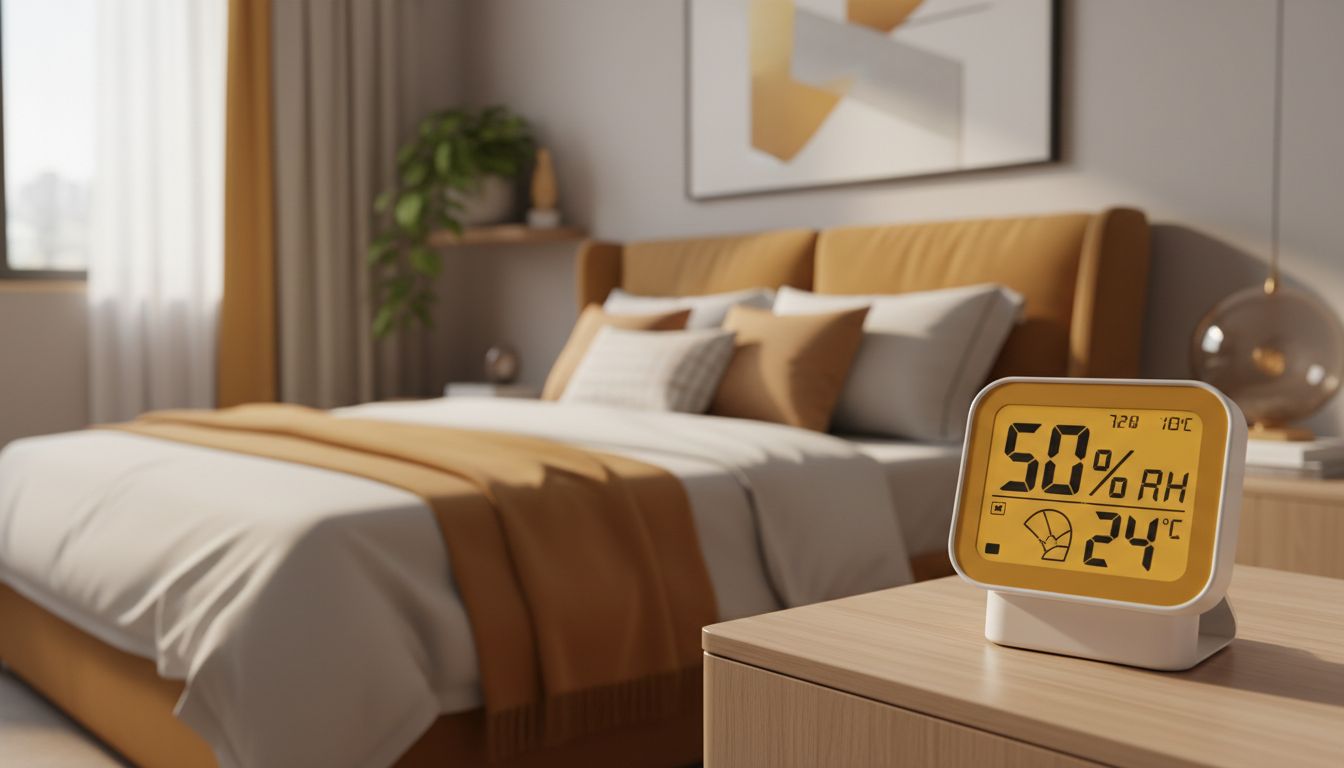
Use this as your goal range for day-to-day home comfort and allergen control.
| Indoor factor | Best-practice target | Why it matters |
|---|---|---|
| Relative humidity (RH) | 45–55% (aim midrange) | Reduces mold growth risk and dust mite activity |
| Bedrooms (priority zone) | Clean + dry + low dust | You spend ~1/3 of your day here—symptoms often start at night |
| Musty smell | None | Musty odor often signals hidden moisture/mold |
| Visible dust buildup | Minimal | Dust is a carrier for multiple allergens |
Step-by-step: Your CDO home IAQ reset plan (do this in order) ✅
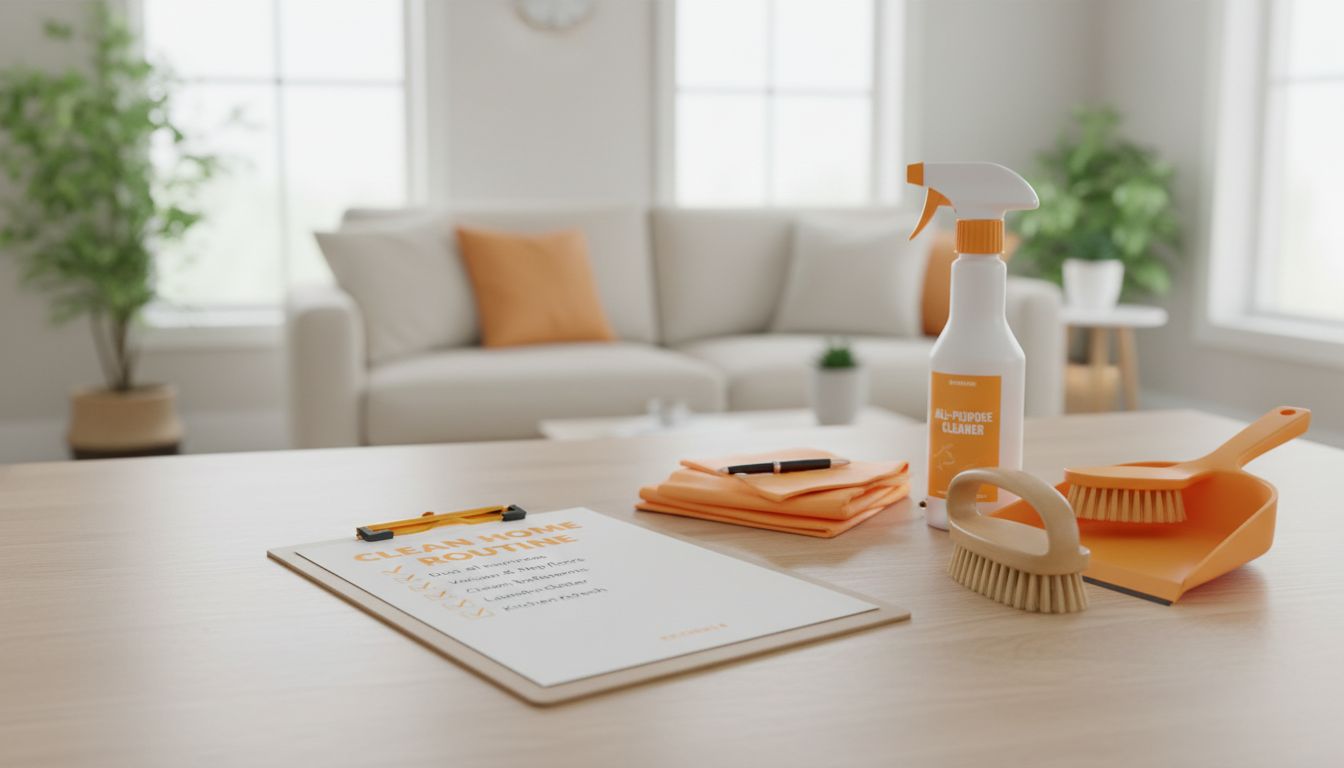
Step 1: Measure humidity first (don’t guess) 📏
What to do
- Buy a basic digital hygrometer (small, affordable).
- Place it in:BedroomLiving areaA “problem” spot (bathroom or near laundry area)
- Track RH morning and night for 3 days.
What you’re looking for
- If RH is regularly above 60%, mold and mites become much easier to sustain.
- If RH spikes after rain or laundry, you’ve found your trigger.
Step 2: Stop moisture at the source (leaks and wet zones) 🚰
What to do (priority order)
- Check under sinks: run water for 1 minute, then feel for dampness.
- Inspect bathroom ceiling corners and tile grout.
- Look around window frames after rain for water trails.
- Verify your aircon drainage isn’t dripping inside.
Fixes that actually help
- Seal small gaps (windows, bathroom edges) where water creeps in
- Repair leaks immediately (even “minor” ones)
- Don’t ignore condensation—wipe and dry it, then improve airflow
If you can’t keep an area dry, you can’t “out-clean” mold long term.
Step 3: Improve ventilation—strategically, not randomly 🌬️
What to do
- Bathroom: exhaust fan on during shower + 15–20 minutes after.
- Kitchen: use range hood or open ventilation while cooking.
- Bedrooms: allow fresh-air exchange daily when outdoor air is cleaner (avoid peak traffic dust times).
- If it’s rainy week + humidity stays high, prioritize dehumidifying over open windows.
Simple rule
- If outdoor air is humid and musty, opening windows may add moisture.
- If indoor air is stale but dry, ventilation helps.
Step 4: Clean dust the way that actually removes allergens (not just moves them) 🧽
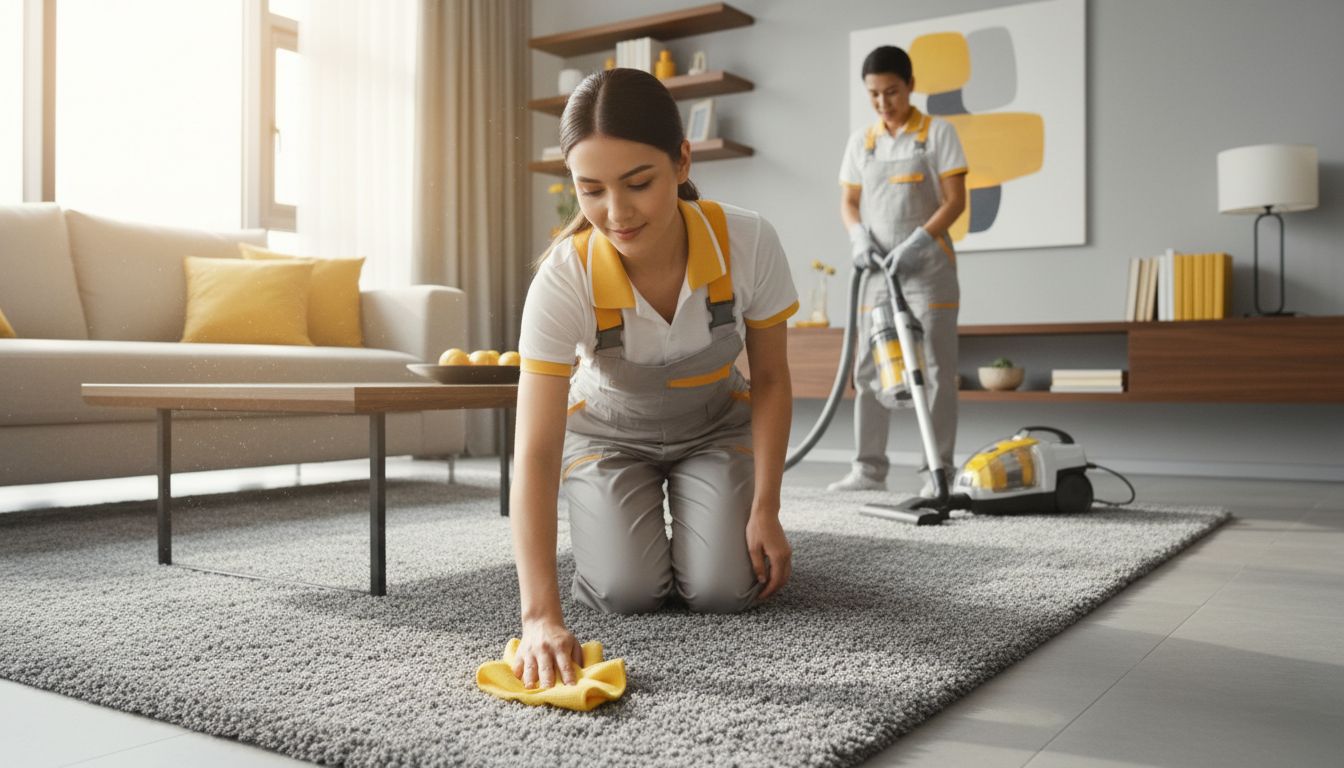
What to do (sequence matters)
- Dry removal first: vacuum floors and soft surfaces.
- Top-to-bottom wipe: shelves → furniture → baseboards.
- Use damp microfiber (not feather dusters) to trap particles.
- Finish with floors last.
Tools that make a difference
- Microfiber cloths
- Vacuum with strong filtration (HEPA is best if available)
- Mop that doesn’t soak the floor (avoid leaving water behind)
Common mistake
- Spraying cleaner on dusty surfaces without removal first = you make paste, smear allergens, and leave residue that attracts more dust.
Want a deeper system for home upkeep? Use this as your next read: Follow a practical whole-home cleaning routine for healthier living
Step 5: Target the “dust reservoirs” (where allergens hide) 🛋️
Dust doesn’t just sit on tables. It lives in:
- Sofas and cushions
- Carpets and rugs
- Mattresses
- Curtains
- Upholstered dining chairs
What to do this week
- Vacuum sofa seams and under cushions.
- Wash removable covers if allowed by the tag.
- Vacuum mattress surface; rotate if needed.
- Wash bedding weekly (especially pillowcases).
If you want to understand why fabric type matters (and why some DIY methods backfire), read: Learn how upholstery cleaning methods protect fabric and reduce allergens
Step 6: Prevent mold in the usual CDO hotspots 🧴
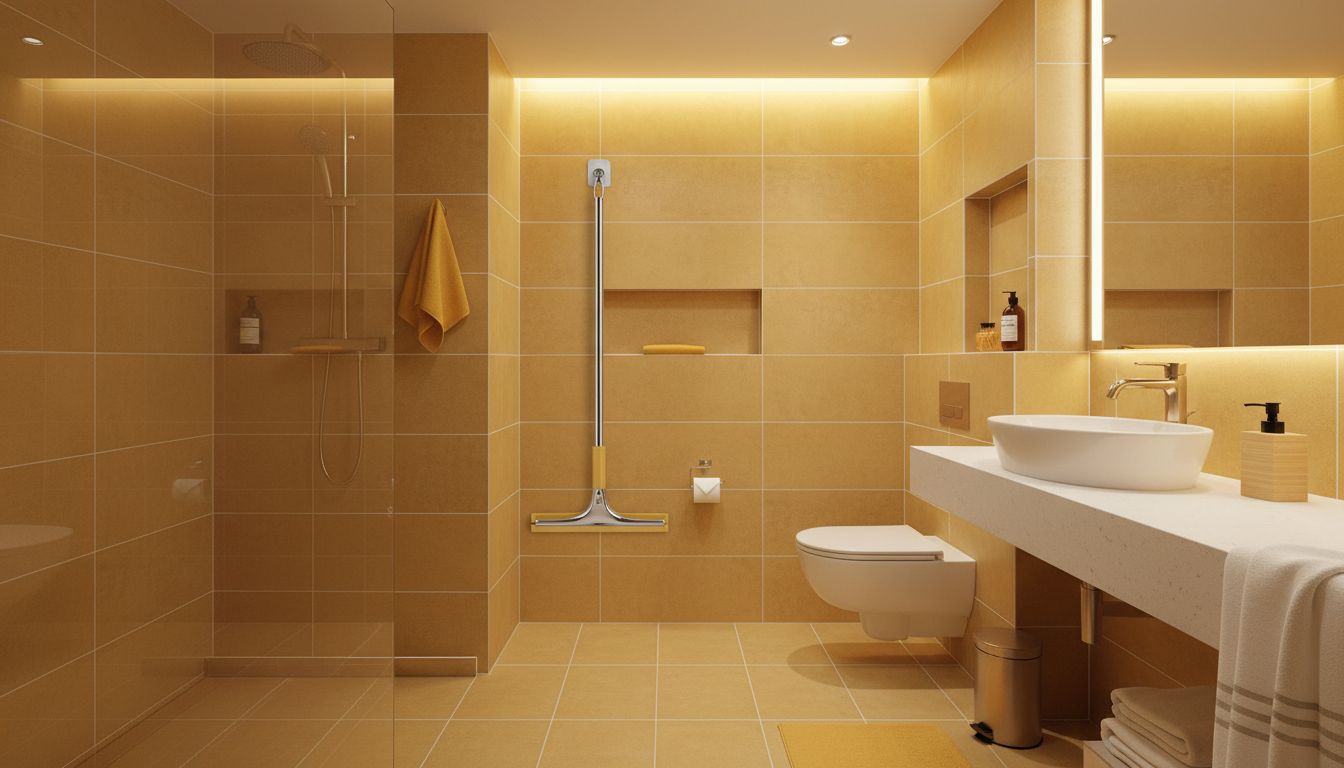
Hotspots
- Bathroom ceiling and grout lines
- Behind wardrobes against exterior walls
- Laundry areas
- Under kitchen sink
- Aircon areas (near vents, drip lines)
What to do
- Keep bathroom surfaces dry (squeegee after use if possible).
- Don’t push cabinets flush to damp walls—leave a small air gap.
- Avoid storing damp towels/clothes in closed baskets.
- If you see small spots, clean and dry thoroughly—then fix the moisture source.
Big warning
- If a patch keeps returning, the moisture is still there. Cleaning is only step one.
Step 7: Handle aircon properly (it can help—or make things worse) ❄️
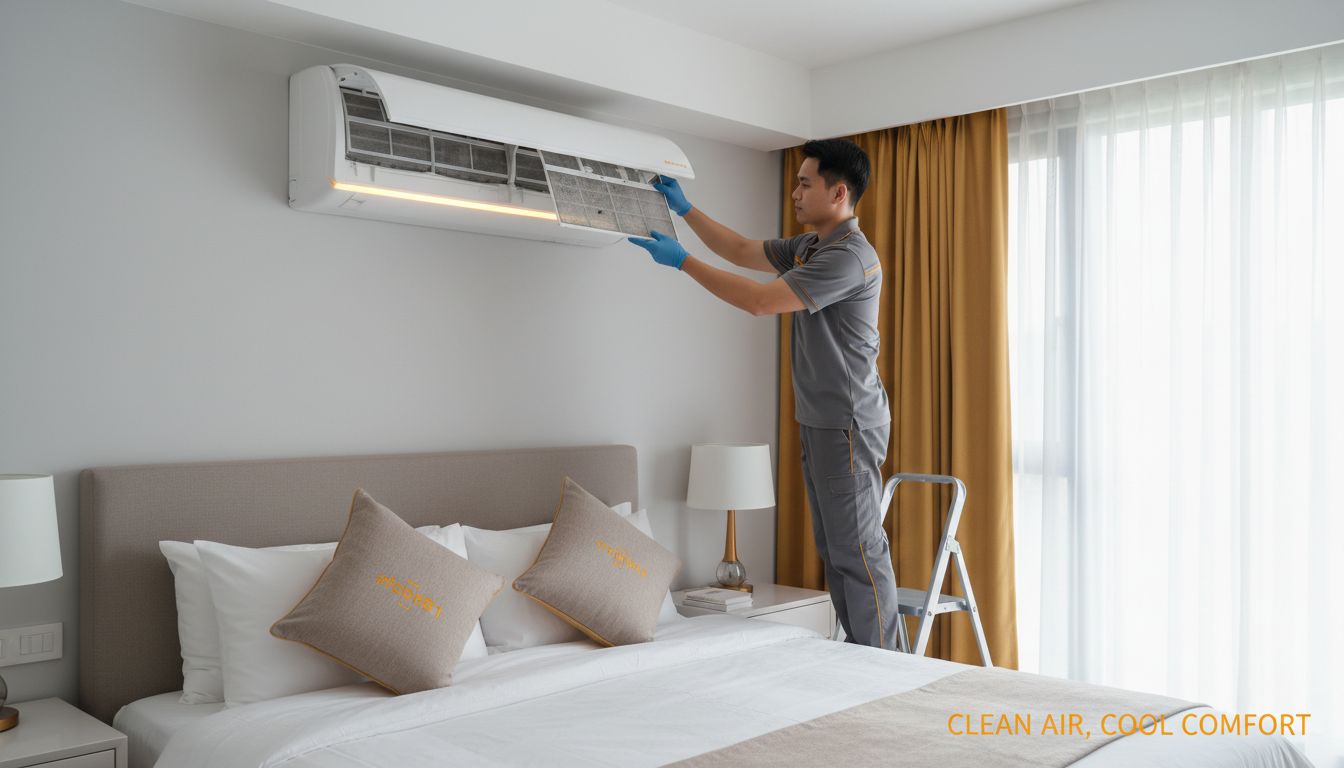
Aircon can reduce humidity, but only if maintained.
What to do
- Clean filters every 2–4 weeks (more often if you have pets).
- Make sure drainage flows out properly.
- If you smell “kulob” or musty odor when it turns on, don’t ignore it.
If your home has carpets, remember: moisture + carpets can lock in allergens. For method comparisons (and what’s safest for different situations), see: Compare carpet cleaning methods used in CDO homes (steam vs shampoo vs dry)
Common symptom patterns that point to a home air issue 🤧

| What you notice | Most likely home trigger | First thing to check |
|---|---|---|
| Sneezing mostly at night | Dust mites / bedding allergens | Pillows, mattress, weekly wash routine |
| Musty smell after rain | High RH + hidden damp | Hygrometer readings + window/roof seepage |
| Cough when aircon runs | Dirty filter, damp coils/drain | Filter cleaning + drainage check |
| Itchy eyes in living room | Dust in upholstery/curtains | Sofa seams, curtains, rugs |
| Mold returning in same spot | Ongoing moisture source | Leak/condensation + ventilation |
A simple weekly schedule for cleaner air (realistic, not perfect) 🗓️
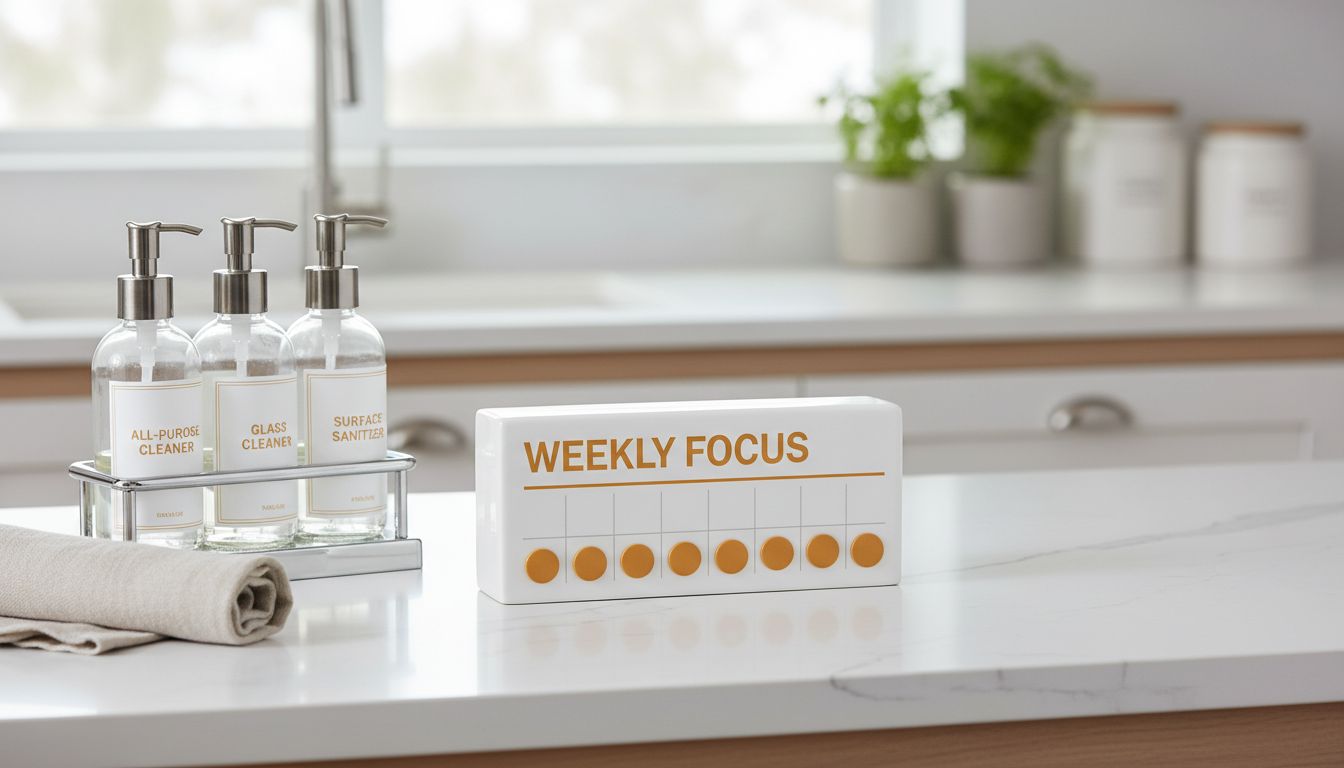
| Frequency | What to do | Time estimate |
|---|---|---|
| Daily | Ventilate smartly + quick wipe of wet bathroom areas | 5–10 min |
| 2–3x/week | Vacuum high-traffic floors | 10–20 min |
| Weekly | Wash bedding + vacuum sofa seams | 30–60 min |
| Bi-weekly | Wipe high dust zones (fans, shelves, baseboards) | 30–60 min |
| Monthly | Deep check for leaks + inspect musty areas | 20–30 min |
When DIY isn’t enough (and you should call pros) 🧯

You should consider professional help when:
- You can’t get RH down despite ventilation changes
- Musty odor keeps coming back
- Allergies worsen even after consistent cleaning
- You need deep cleaning for sofas, carpets, or post-renovation dust
- You’re preparing a rental unit for new tenants (and want it truly reset)
If you want a reliable team that follows checklists and doesn’t rush, explore PrimeShineCDO’s professional cleaning services and service options.
For scheduling and questions, use PrimeShineCDO’s contact page to book your cleaning. ✅
Quick FAQ (CDO edition)
What humidity level should I aim for in CDO?
Aim for 45–55% RH. If you’re often above 60%, prioritize moisture control fast.
Is mold always visible?
No. It can grow behind cabinets, under sinks, inside aircon components, and inside damp walls. Musty smell is a strong clue.
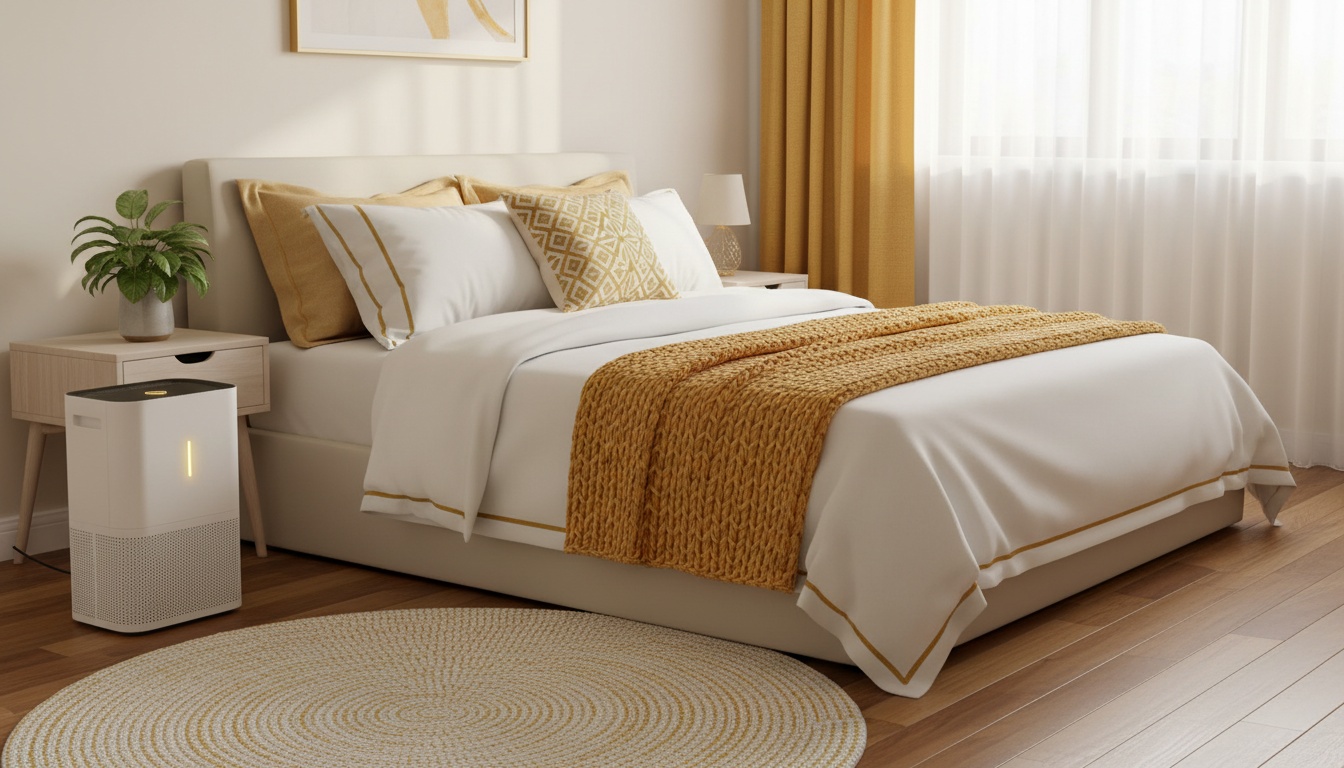
Do air purifiers solve dust and mold?
They can help with airborne particles, but they don’t remove the source—dust reservoirs and moisture problems still need cleaning and control.
What’s the fastest improvement I can make today?
- Measure RH, 2) dry wet zones, 3) vacuum soft surfaces, 4) clean aircon filters. These four steps usually create an immediate difference in how a room feels.
Your next move (keep it simple) 👍
If you do nothing else this week:
- Get a hygrometer and check your RH.
- Fix one moisture source (bathroom drying, a leak, or aircon drainage).
- Deep-vacuum the sofa and mattress.
- Wash bedding on schedule.
Cleaner air isn’t about perfection. It’s about removing reservoirs and controlling humidity—especially in CDO’s weather. Malinis. Maasahan. Pang‑CDO.