How To Reduce Indoor Allergens And Improve Air Quality At Home In Cagayan De Oro Guide
Sneezy, stuffy, or “kulob” at home? Learn how to reduce indoor allergens and improve air quality at home in Cagayan de Oro with simple routines and targeted deep-clean tips.
Apr 24, 2026
Need a spotless space without interruptions?
PrimeShineCDO Cleaning Services uses punctual teams, clear checklists, and efficient cleaning methods for residential cleaning, sofa cleaning, carpet cleaning, and post-construction cleaning.
Contact UsIf you’re constantly sneezing at home, waking up with a stuffy nose, or noticing that “kulob” smell—your indoor air quality is probably taking a hit. And in Cagayan de Oro, the combination of humidity, rainy-season dampness, roadside dust, and mold-friendly bathrooms can make indoor allergens a daily problem.
This guide breaks down how to reduce indoor allergens and improve air quality at home in Cagayan de Oro using simple routines, smart home tweaks, and targeted deep-cleaning moves—especially for the spots that quietly collect the most triggers. 🌬️🏠

What’s really causing indoor allergies in CDO homes? 🤧
Let’s be honest: most allergy “mysteries” at home are not mysterious at all. They’re usually one (or more) of these:
- Dust mites (love mattresses, pillows, upholstered sofas, curtains)
- Mold spores (bathrooms, behind cabinets, AC drip pans, damp walls)
- Pet dander (fur, saliva proteins, skin flakes—especially on fabric)
- Cockroach allergens (kitchens, drains, storage areas—common in humid climates)
- Outdoor pollution & dust (tracked in through shoes, windows, and laundry drying areas)
- VOC fumes (fresh paint, strong cleaners, air fresheners—irritate lungs fast)
The CDO-specific challenge
CDO’s humidity and frequent rain make it easier for:
- mold to spread faster
- fabrics to smell “kulob”
- dust to clump and stick to surfaces instead of blowing away
The takeaway is clear: you can’t “air freshener” your way out of this. You need moisture control + dust control + fabric cleaning.
Quick self-check: is your home’s air quality struggling?
Use this simple table to spot what’s most likely driving symptoms.
| Symptom at home | Most likely allergen/trigger | Usual hiding place |
|---|---|---|
| Sneezing in the bedroom, worse in the morning | Dust mites | Mattress, pillows, curtains |
| Musty “kulob” smell, headaches | Mold + dampness | Bathroom, closets, behind furniture |
| Itchy eyes near the sofa | Dust + pet dander | Upholstery, throw pillows, rugs |
| Coughing when AC is on | Mold/dust in AC system | Filter, vents, drip pan |
| Runny nose after cleaning | VOC irritation + dust stirred up | Strong sprays, dry dusting |
If symptoms improve when you leave the house, your indoor environment is likely the main trigger—not “just the weather.”
Start with the big two: moisture control + dust control 💧🧹
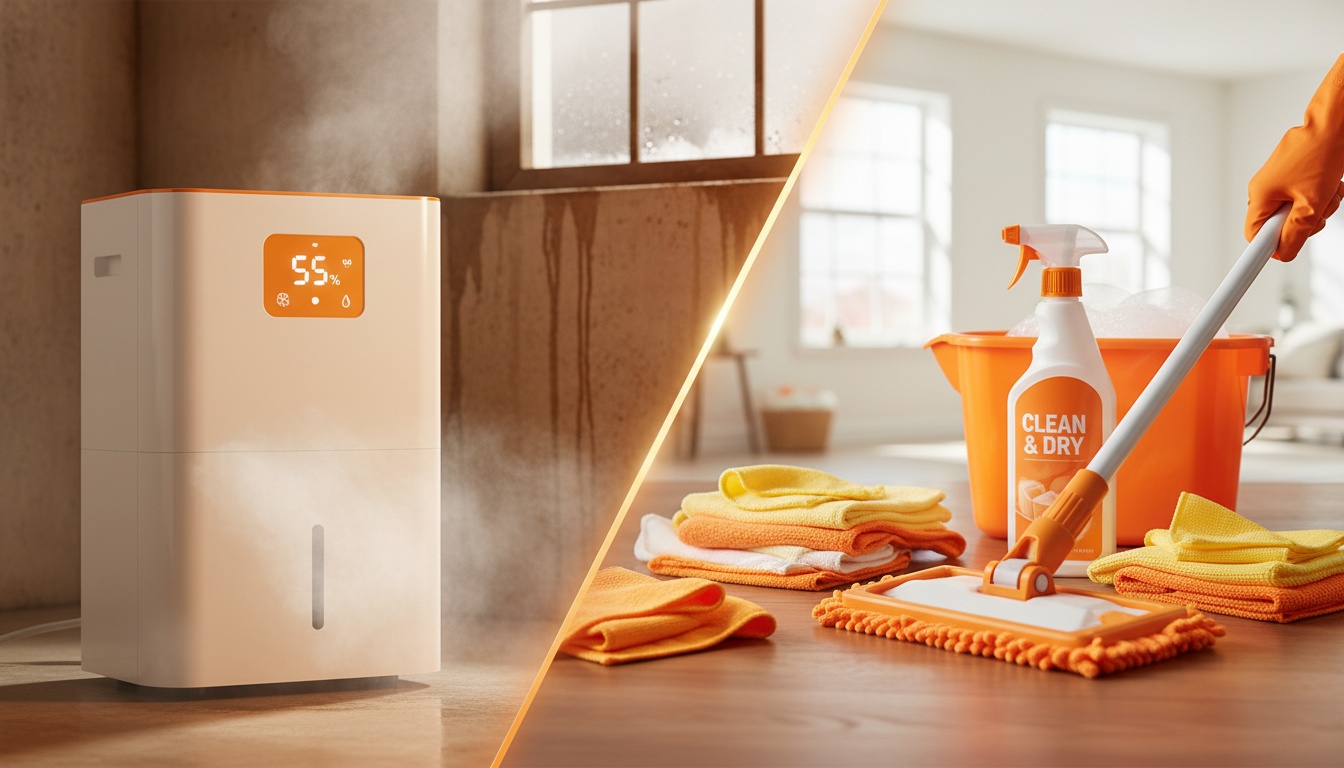
1) Keep indoor humidity in the “safe zone”
For most homes, you want around 40–60% relative humidity. Too high encourages mold and dust mites. Too low can irritate your nose and throat.
| Humidity level | What it usually causes | What to do |
|---|---|---|
| Below 40% | Dry throat, irritation | Ventilate gently, avoid over-dehumidifying |
| 40–60% | Best balance | Maintain routine ventilation + cleaning |
| Above 60% | Mold growth, dust mites thrive | Dehumidifier, exhaust fans, fix leaks ASAP |
CDO reality: During rainy months, humidity spikes fast—especially in condos with limited airflow or homes near shaded areas.
What helps most:
- Run exhaust fans during and after showers (at least 20–30 minutes)
- Use a dehumidifier in bedrooms/closets if you smell dampness
- Don’t push furniture fully flush to walls—give it breathing room
- Fix leaks immediately (even “small” seepage feeds mold)
If bathroom mold keeps coming back, read this practical guide on stopping bathroom mold and mildew in Cagayan de Oro. It’s one of the most common allergen sources in humid homes.
2) Stop dry dusting (it just redistributes allergens)
If you’re using a feather duster or wiping with a dry rag, you’re basically launching particles into the air.
Switch to:
- Microfiber cloths (they trap dust instead of spreading it)
- Slightly damp wiping for hard surfaces
- Vacuuming with good filtration (HEPA is ideal)
If you want the details on what microfiber actually works (and how to wash it properly), check this guide to microfiber cloth types and washing tips.
The high-impact cleaning plan (room by room) 🏡
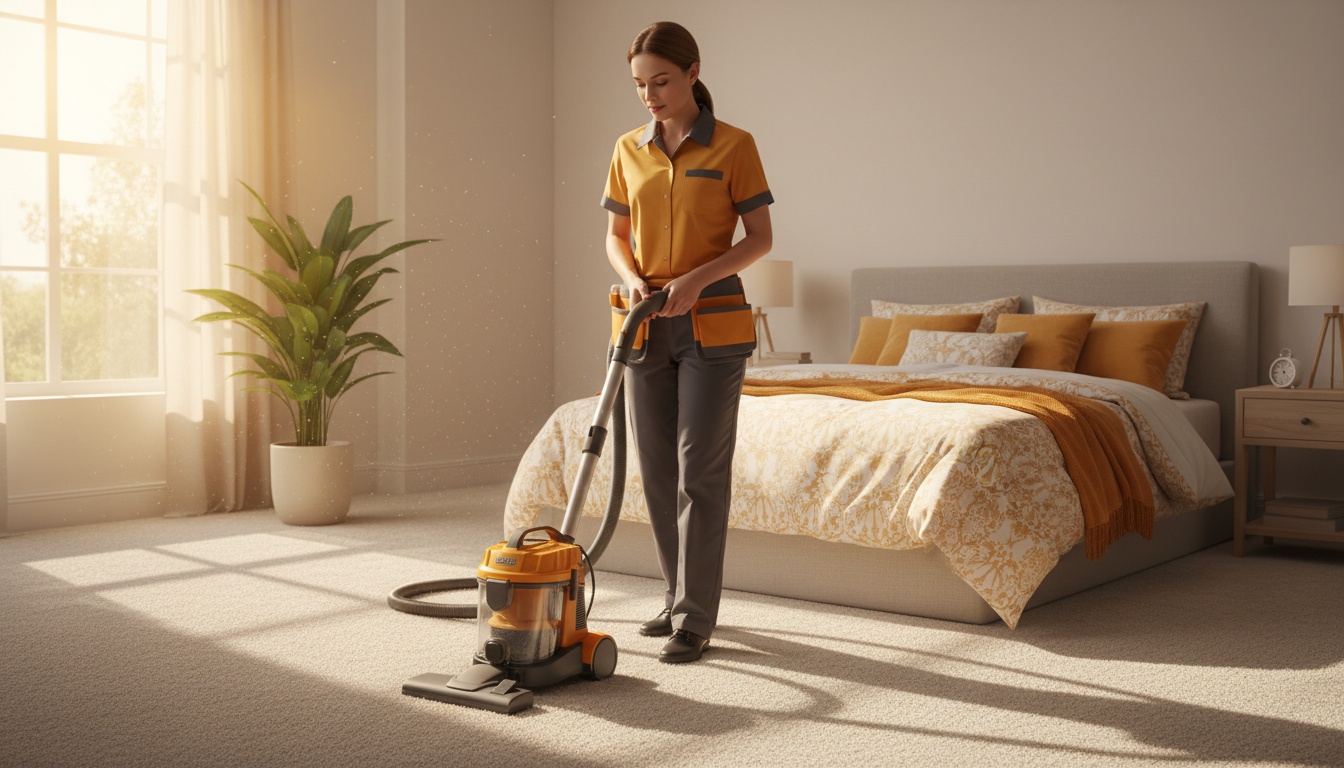
Bedroom: the #1 allergy hotspot
You spend ~1/3 of your life here, so if you fix only one room—make it this one.
Do this weekly:
- Wash bedsheets in warm water (follow fabric care labels)
- Vacuum floor edges, under the bed, and around nightstands
- Wipe surfaces with microfiber (not a dry duster)
Do this monthly:
- Wash or hot-dry pillows (if washable)
- Deep clean curtains or at least vacuum them with an upholstery attachment
- Rotate and vacuum the mattress surface
Do this every 3–6 months:
- Deep clean your mattress (especially if you wake up congested)
- Replace worn pillows that trap odors and dust
Upgrade that matters: dust-mite-proof pillow and mattress encasements. It’s not fancy—just effective.
Living room: sofas and carpets trap what you can’t see
Upholstery is basically a giant allergen sponge: dust, dander, skin flakes, even outdoor grime.
Focus areas:
- Sofa seams, armrests, and between cushions
- Throw pillows and fabric curtains
- Rugs and carpet edges (where dust packs down)
If your home has pets, this is non-negotiable:
- Vacuum upholstery weekly
- Wash pet bedding often
- Keep pets off beds if allergies are severe (hard truth, but it works)
If your sofa smells “kulob” or triggers sneezing, a deep upholstery wash can make a huge difference. You can explore options under PrimeShineCDO’s cleaning services menu and choose what fits your home.
Kitchen: cockroach allergens + odors + irritants
Roach allergens are a real indoor trigger, and kitchens provide everything pests need: food, water, hiding spots.
Your priority checklist:
- Keep sinks and drains dry overnight
- Store snacks and dry goods in sealed containers
- Wipe grease (it holds dust and smells)
- Don’t ignore the area behind the fridge and under the stove
If you want a safer approach to cleaning food surfaces, follow this step-by-step guide to cleaning and disinfecting a kitchen safely.
Bathroom & laundry area: mold central
If there’s one place that quietly ruins indoor air quality in CDO, it’s the bathroom.
Hit these weekly:
- Tile grout lines and corners
- Shower curtains or glass edges
- Exhaust fan cover (dust + moisture = gunk)
- Under-sink cabinet (hidden leaks happen)
Drying laundry indoors? Make sure the space is ventilated. Damp clothes raise indoor humidity fast.
Ventilation without letting in more dust 🌬️
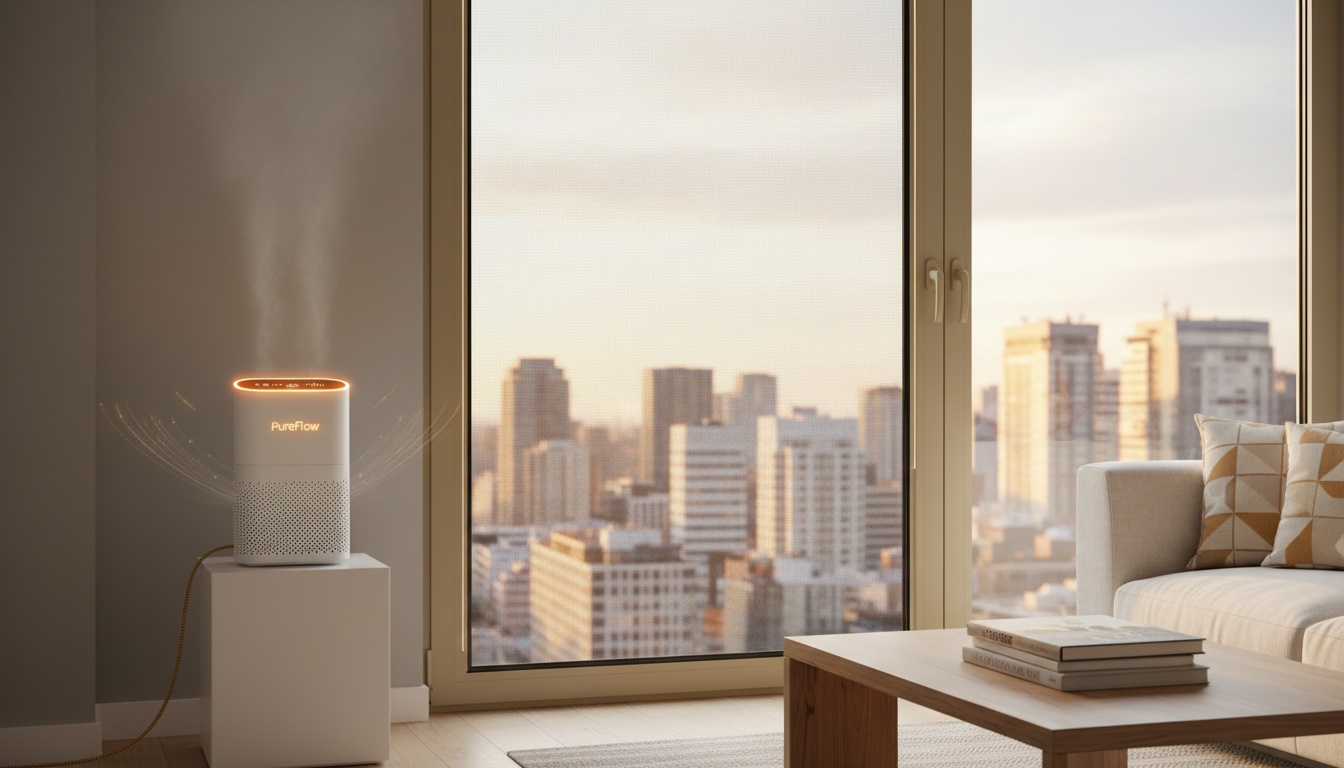
Ventilation helps—unless the air coming in is dusty (busy road, construction nearby, or dry windy days).
Use this practical approach:
- Open windows early morning when outdoor air is typically calmer
- Use window screens and keep them clean (they collect a shocking amount of dust)
- If you’re near a main road, rely more on mechanical ventilation + filtration (fans, AC with clean filters, air purifier)
Air purifier basics (what to actually look for)
You don’t need the most expensive unit. You need the right filter.
| Feature | Why it matters | What to choose |
|---|---|---|
| HEPA filter | Captures fine particles (dust, dander) | True HEPA or HEPA-grade |
| Carbon filter | Helps with odors and some fumes | Useful for “kulob” smell |
| CADR rating | Indicates cleaning speed | Higher is better for your room size |
| Filter availability | You must replace filters | Choose brands with easy refills in PH |
Place purifiers where you spend the most time:
- Bedroom (top priority)
- Living room (if you have pets or upholstered furniture)
AC maintenance: the sneaky allergen amplifier ❄️
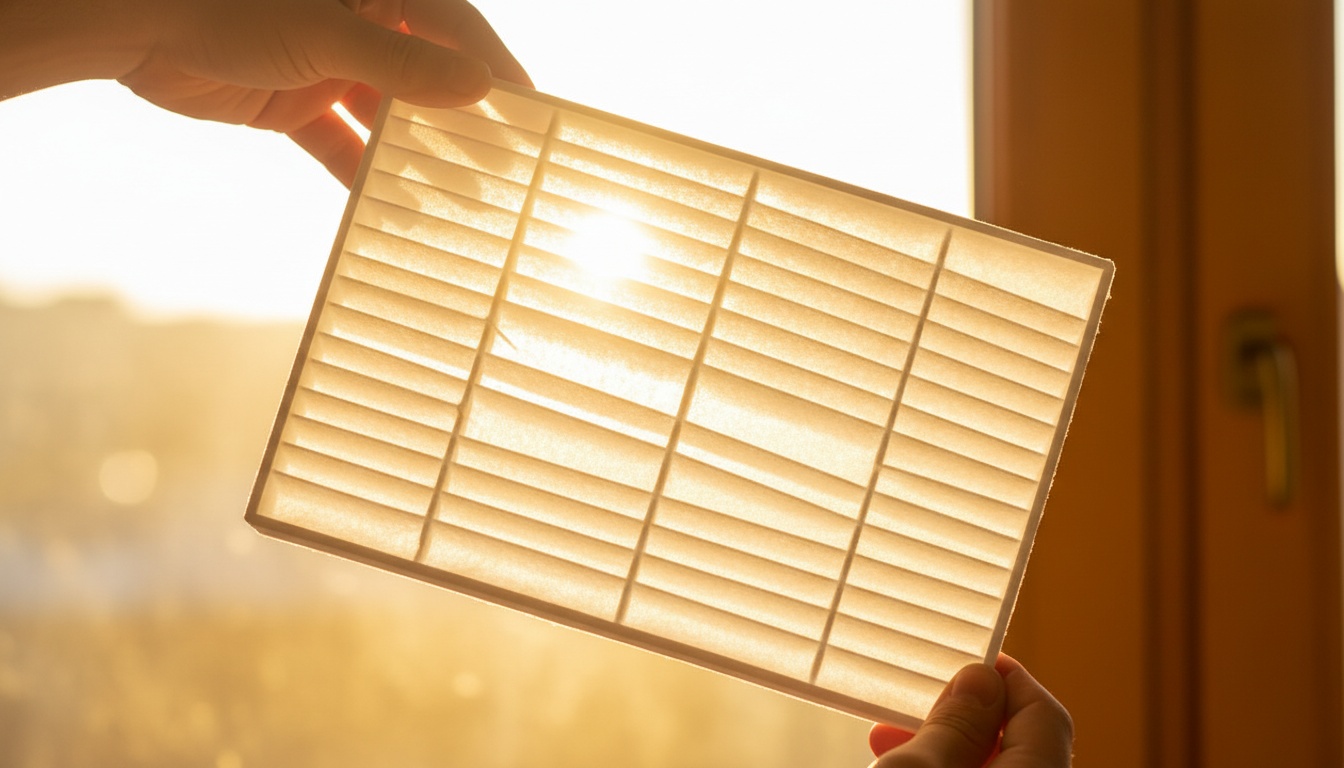
If your aircon smells musty or makes you cough, it’s often:
- a dirty filter
- dust in vents
- moisture buildup causing mildew
What to do:
- Clean/replace AC filters on schedule (more often if you live near traffic or have pets)
- Keep the area around the indoor unit dust-free
- Make sure drainage is flowing properly (standing water = mold risk)
Choose cleaning products that don’t irritate your lungs 🧴
Strong scents don’t equal “clean.” Sometimes they equal headache + throat irritation.
Use this simple rule:
- For routine cleaning: mild soap + water + microfiber
- For disinfection: use the right product only where it matters (high-touch spots, illness situations)
If you’re deciding between heat-based cleaning and chemical products (especially if you have kids or pets), read this comparison of steam cleaner vs chemical cleaners for safer home cleaning.
A realistic weekly routine for CDO homes (copy this) ✅
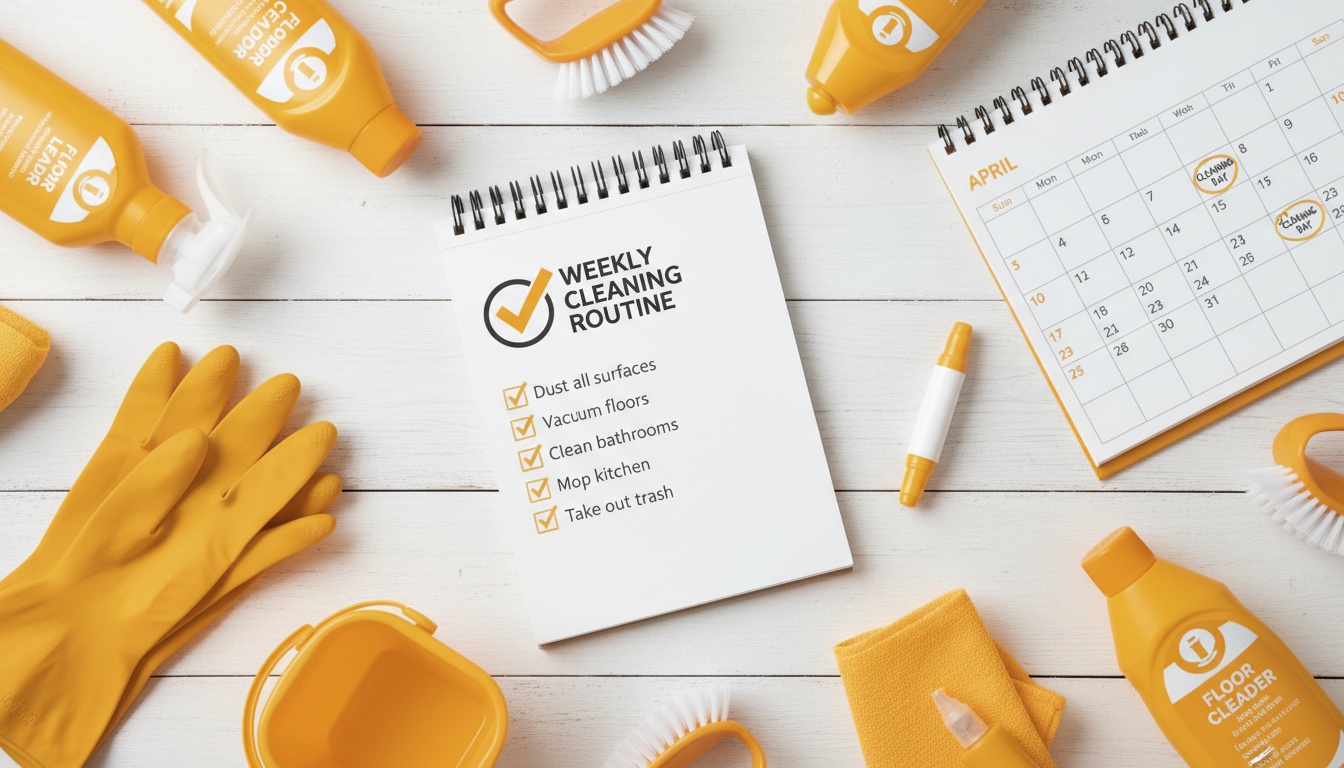
Daily (10 minutes)
- Quick wipe of kitchen counters
- Rinse sink, keep it dry at night
- Put shoes at the entryway (don’t track road dust inside 👟)
Weekly (60–90 minutes total)
- Vacuum floors + edges
- Vacuum sofa and cushions
- Wash bedsheets
- Bathroom scrub (focus on corners and grout)
Monthly (2–3 hours)
- Curtain vacuuming or wash (depending on fabric)
- Deep clean mattress surface
- Check for leaks under sinks, behind toilets
Every 3–6 months
- Deep upholstery / carpet cleaning
- AC deep clean schedule (depending on usage)
- Declutter storage areas where dust builds up
Consistency beats intensity. A “pretty clean” home done weekly is better for your air than a once-a-year deep clean.
When DIY isn’t enough (and what to outsource) 🧑🔧✨
There’s a point where your effort hits a wall—usually because allergens are trapped deep in fabric or spread across areas that take real time and equipment.
Consider professional help if:
- Someone at home has asthma or persistent allergies
- Your sofa/mattress has odors that keep returning
- You recently renovated (post-construction dust is brutal)
- You have carpets that haven’t been deep-cleaned in a long time
PrimeShineCDO Cleaning Services offers practical options for allergy-prone homes—especially residential deep cleaning, sofa cleaning, carpet cleaning, and post-construction cleaning. You can start by browsing PrimeShineCDO’s full service menu and choosing what matches your biggest problem area.
If you want a quick quote or schedule, use the PrimeShineCDO contact page to book an appointment. 🧼
FAQ: indoor allergens and air quality in Cagayan de Oro
What’s the fastest way to reduce indoor allergens?
Target fabrics first (beds, sofas, curtains) and control humidity. Hard surfaces are easier—fabric is where allergens hide.
Do I need an air purifier if I already have an aircon?
Often, yes. AC cools air but doesn’t always filter fine particles well—especially with basic filters or inconsistent maintenance.
Why does my home smell “kulob” even when it looks clean?
That smell is usually trapped moisture + fabric odors + hidden mold (closets, curtains, sofa foam, bathroom corners). Dehumidifying and deep fabric cleaning usually fixes it.
Is sweeping enough?
Not really. Sweeping can kick dust back into the air. Vacuuming with good filtration + microfiber wiping is much more allergy-friendly.
The simple game plan (so you don’t overthink it) 🎯
If you want the cleanest air possible at home in CDO, focus on these four:
- Keep humidity under control (especially during rainy season)
- Vacuum + microfiber wipe (stop dry dusting)
- Deep clean fabrics regularly (mattress, sofa, carpets, curtains)
- Maintain AC and ventilation (avoid musty airflow)
Do that—and you’ll feel it. Less sneezing. Better sleep. A home that smells fresh because it is fresh.