Office Cleaning Priorities For Small Businesses: High-Touch Points, Shared Areas, And Daily Habits
Cut sick days and boost client confidence with office cleaning priorities for small businesses: high-touch points, shared areas, and daily habits—plus quick routines that stick.
Apr 24, 2026
Need a spotless space without interruptions?
PrimeShineCDO Cleaning Services uses punctual teams, clear checklists, and efficient cleaning methods for residential cleaning, sofa cleaning, carpet cleaning, and post-construction cleaning.
Contact UsSmall businesses don’t have time for “perfect”—you need smart cleaning priorities that reduce sickness, keep clients confident, and stop grime from quietly taking over your workspace. That’s exactly what office cleaning priorities for small businesses: high-touch points, shared areas, and daily habits is about: focusing your effort where it actually moves the needle. ✅
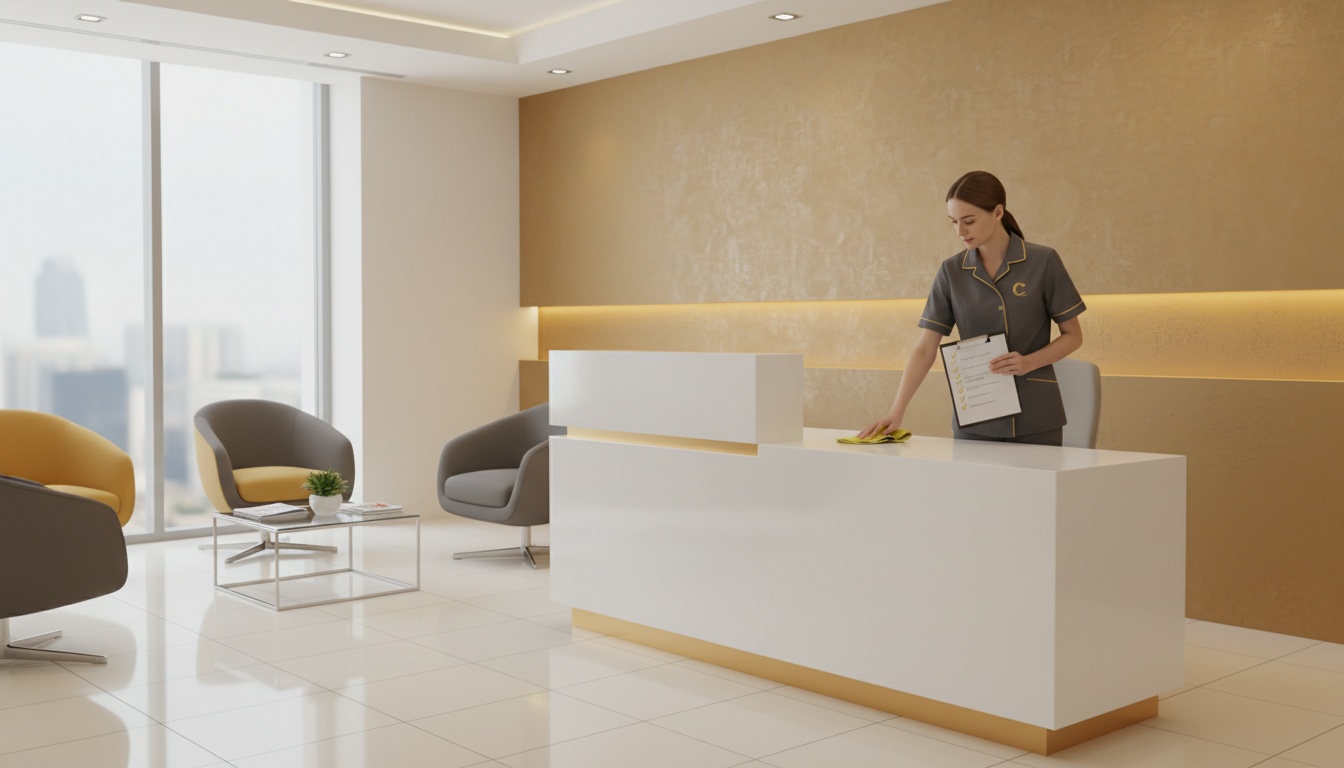
If you’re running a lean team in Cagayan de Oro (or anywhere in the PH), the reality is simple: most germs and visible mess spread through hands, shared spaces, and daily shortcuts. So you win by controlling those three.
Why cleaning priorities matter more than “deep cleaning once in a while”
Let’s be honest—many offices look “okay” until they suddenly don’t. The turning point is usually one of these:
- A wave of colds that keeps cycling through your staff 🤧
- Sticky pantry counters and mystery smells 🥴
- Clients noticing dusty corners, fingerprints, or a less-than-fresh restroom
- Pest issues that start with crumbs and an overflowing bin 🪳
The takeaway is clear: consistency beats intensity for small offices. You’re better off doing the right small tasks daily than attempting heroic cleaning sessions monthly.
The 3-zone priority framework (so you don’t waste effort)
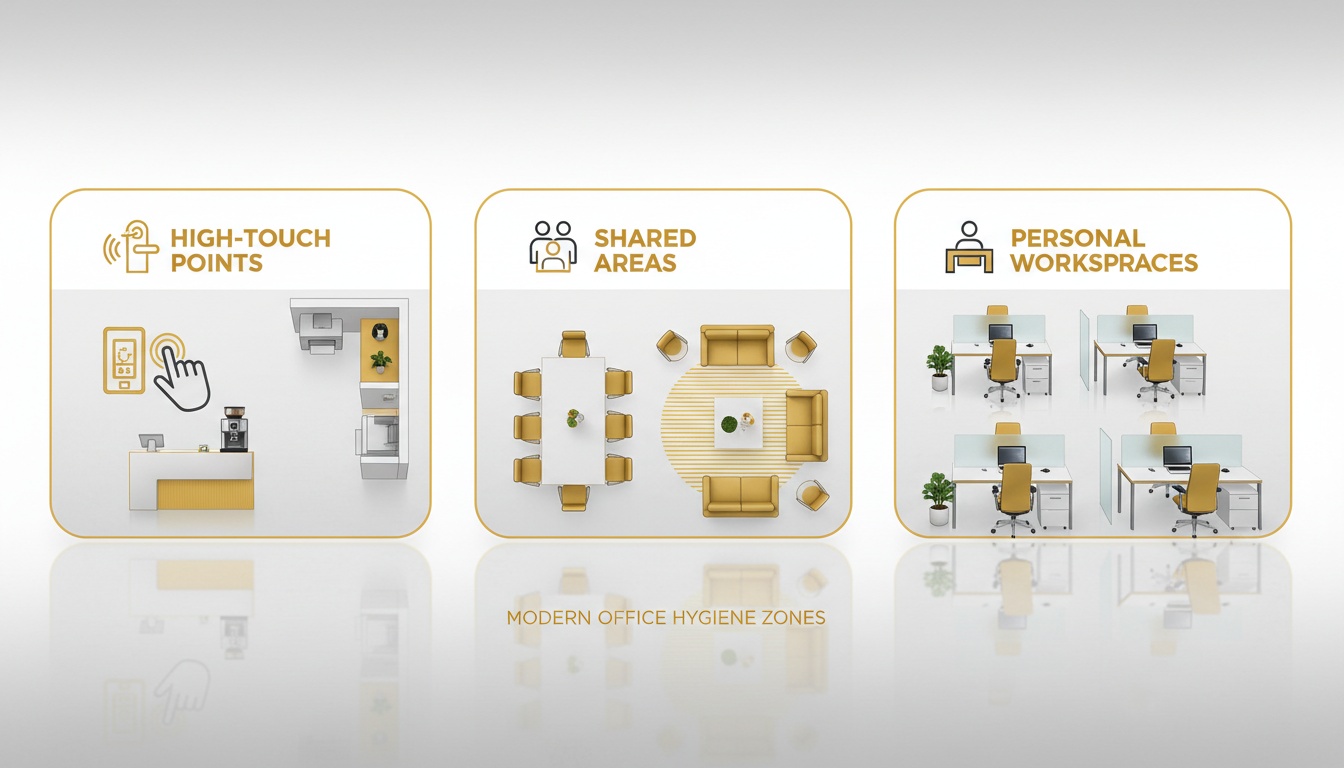
Think of your office cleaning plan as three zones:
| Priority zone | What it includes | Why it matters | Ideal frequency |
|---|---|---|---|
| Zone 1: High-touch points | Anything lots of hands touch | Fastest way germs spread | Daily (often 2×/day for busy offices) |
| Zone 2: Shared areas | Pantry, restroom, meeting rooms | Highest mess + odor risk | Daily + spot-clean |
| Zone 3: Daily habits | Personal desk rules, waste, footwear, airflow | Prevents buildup | Everyday behavior |
If your office is short on time or budget, do Zone 1 first, then Zone 2, and reinforce Zone 3 so the other two don’t fall apart.
Zone 1: High-touch points (the real “hot spots”) 🧤
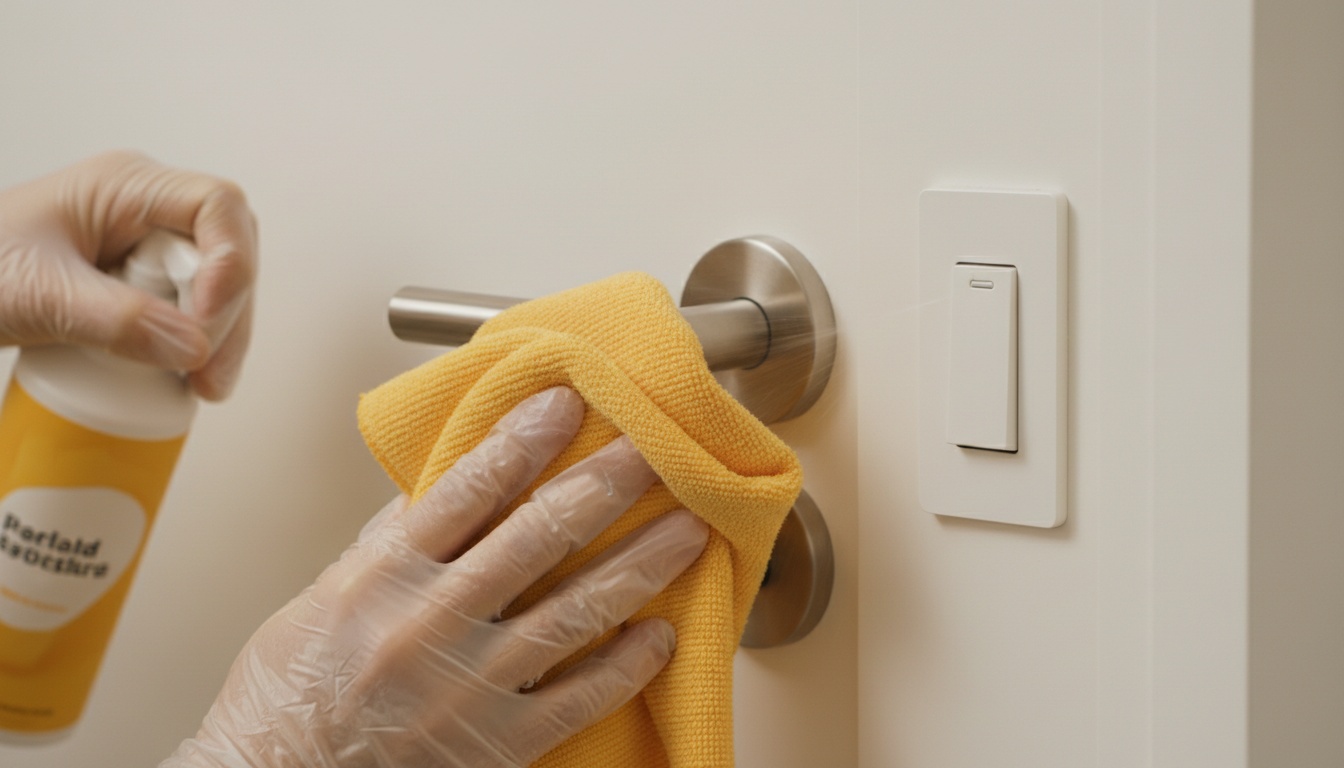
High-touch points are the surfaces your team touches without thinking—dozens of times a day. They don’t always look dirty, but they’re where contamination quietly travels.
High-touch point checklist (most small offices miss a few)
| Area | High-touch items to prioritize | What “clean” should look like |
|---|---|---|
| Entry / reception | Door handles, lock/keypad, reception counter edge, pens, visitor chair armrests | No fingerprints, no sticky feel |
| Workstations (shared) | Mouse, keyboard, desk edges, drawer pulls, headset, phone handset | No crumbs/dust in seams |
| Switches & controls | Light switches, elevator buttons, thermostat, printer panel | No smudges, no tackiness |
| Meeting rooms | Remote controls, table edge, chair armrests, whiteboard markers | No marker stains, no oily film |
| Pantry touchpoints | Fridge handle, water dispenser buttons, microwave keypad, cabinet pulls | No food residue, no odor |
| Restroom touchpoints | Faucet handles, flush lever/button, soap dispenser, door latch | No watermarks, no grime lines |
Key insight: If you only disinfect “big surfaces” like desks and ignore handles, buttons, and shared devices, you’re missing the highest-impact targets.
Cleaning vs disinfecting (don’t mix them up)
A lot of offices “disinfect” on top of dust or grease. That’s a waste—soil blocks disinfectants.
- Cleaning removes dirt, oils, and debris.
- Disinfecting kills germs on a surface after it’s clean.
If you want the concept explained clearly (without the confusing labels), read Disinfecting vs sanitizing for homes and offices: what actually kills germs and when.
A quick visual refresher (video)
Zone 2: Shared areas (where mess multiplies fast) 🚻☕
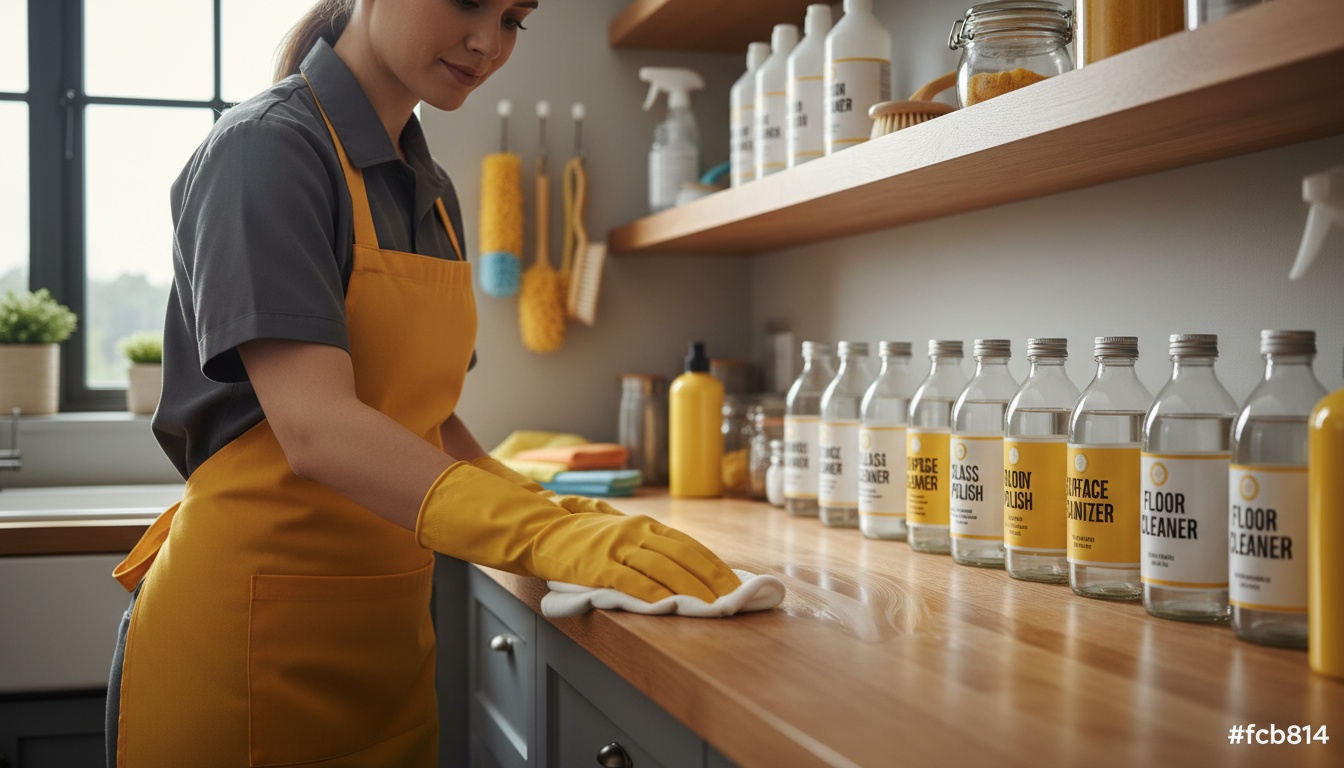
Shared areas are where your office reputation lives or dies. Clients may not see your storage room, but they’ll definitely notice your restroom, pantry smell, and meeting room cleanliness.
Pantry / kitchen corner priorities
Even a tiny office pantry becomes a problem when it’s treated like “someone else’s job.”
Prioritize:
- Countertops and sink edges (food residue + moisture = buildup)
- Microwave interior handle + keypad
- Ref handles and water dispenser buttons
- Dish rack/drain area (slime film creeps in fast)
And yes—sponges and dishcloths matter. If you want a safe approach (especially for shared cutting boards), check How to clean and disinfect a kitchen safely (cutting boards).
Restroom priorities (the “trust test” area)
A restroom can be technically “clean” but still feel gross. That’s usually because of these:
- Grime lines around faucets, bases, and hinges
- Odor traps: floor corners, drains, bins
- Touchpoint neglect: locks, latches, flush buttons
In humid cities like CDO, moisture also makes mold and mildew more likely. If your restroom has recurring musty smells, learn the root causes in How to stop bathroom mold and mildew in Cagayan de Oro.
Meeting rooms (client-facing, often overlooked)
Meeting rooms collect:
- Fingerprints on glass and door plates
- Dust on ledges and air vents
- Crumbs (yes, even “no food allowed” rooms)
What matters most here is visual confidence: spotless table edges, clean chairs, and no stale smell.
Zone 3: Daily habits that keep an office clean (without extra labor) 💡
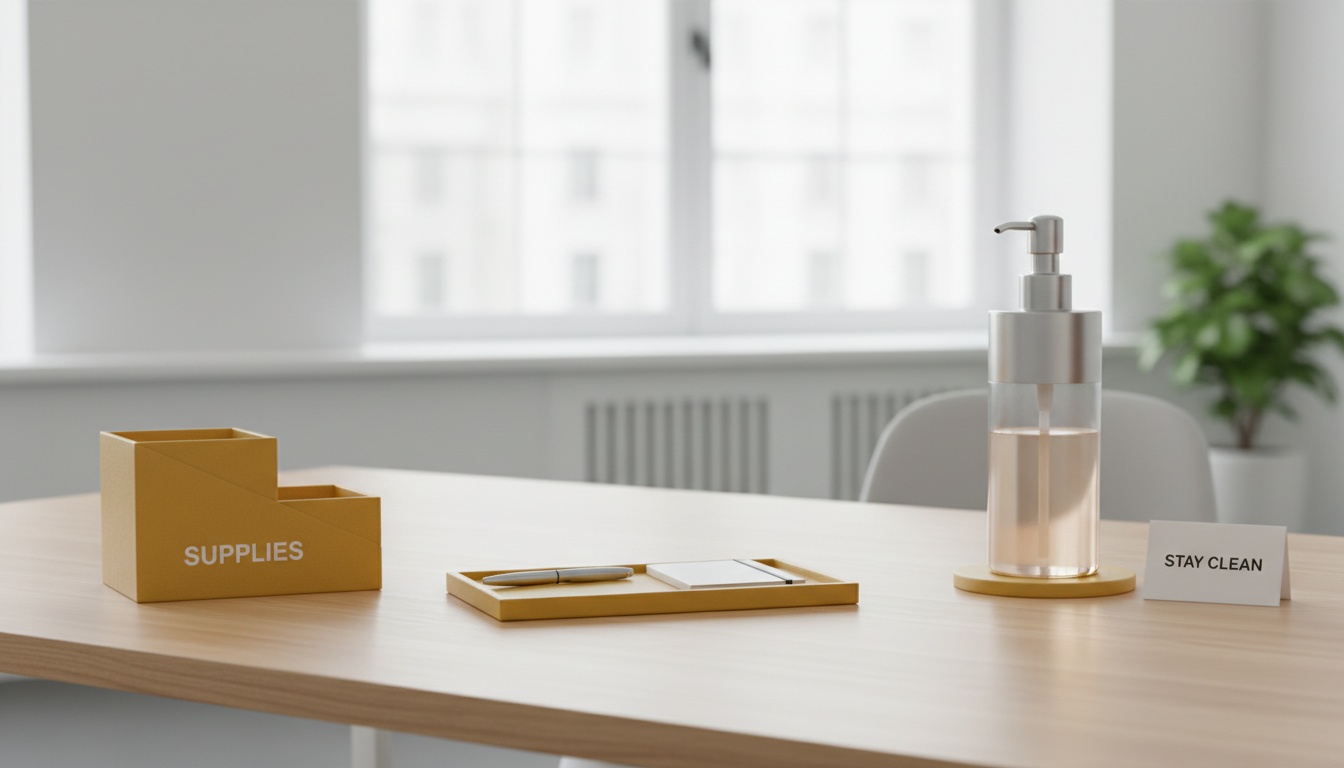
Daily habits are the “invisible system” behind a consistently clean office. Without them, cleaning becomes endless catch-up.
The small-business habits that work
These aren’t chores. They’re rules that prevent mess:
- “Clear desk” end-of-day reset (even 60 seconds helps)
- Food stays in the pantry (not at shared keyboards)
- Wipe-as-you-go culture for spills (no “later”)
- Bins emptied before overflow (overflow = odor + pests)
- Shoes/entry control during rainy season ☔ (mud and grit destroy floors fast)
If your office struggles with rainy-season dirt and moisture, the same principles apply as condos—entryway control is everything. This guide breaks it down well: How to maintain a clean condo in Cagayan de Oro during rainy season.
What to clean daily vs weekly vs monthly (simple planning table)
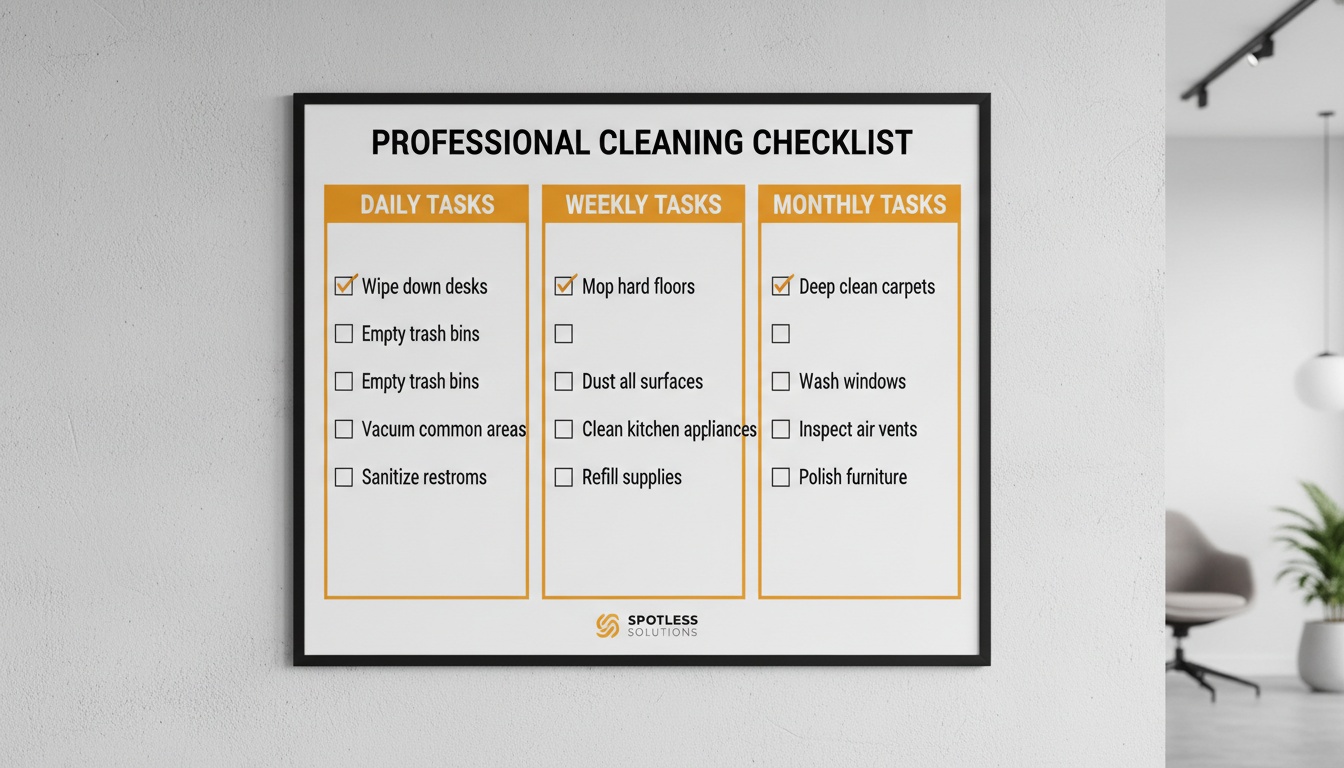
This is where most small businesses get stuck. So here’s the clarity you need:
| Frequency | Focus | Examples (small office) |
|---|---|---|
| Daily | Stop spread + control smells | High-touch points, restroom touchpoints, pantry counters, trash removal, quick floor spot-clean |
| Weekly | Reset buildup | Vacuum edges, mop thoroughly, glass partitions, chair arms, dust ledges, deeper restroom clean |
| Monthly | Detail + prevention | High dusting (vents/ceiling corners), behind appliances, deeper fabric cleaning planning, inventory of supplies |
| Quarterly | Professional-grade refresh | Carpet extraction, upholstery deep clean, steam/detailing in hard-to-reach zones |
Blunt truth: If you skip daily touchpoints, your weekly cleaning won’t feel like it’s working—because the problem is being recreated every day.
The tools that make office cleaning faster (and less gross) 🧼
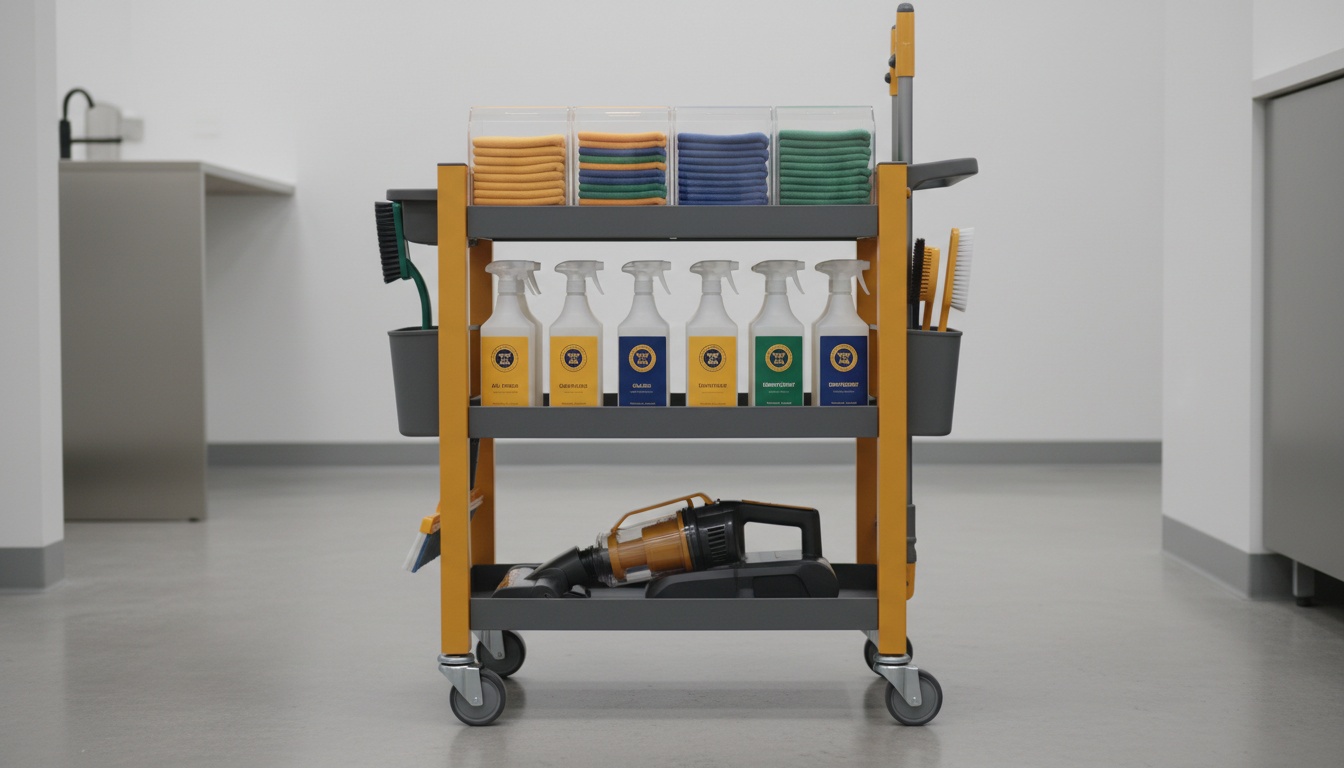
You don’t need a storeroom of products. You need the right few that reduce friction.
A practical tool lineup (small office-friendly)
| Tool | Why it matters | What to watch out for |
|---|---|---|
| Microfiber cloths (color-coded) | Traps dust and reduces cross-contamination | Must be washed properly or they spread grime |
| Disinfectant (approved for touchpoints) | Targets high-touch areas | Needs correct dwell/contact time |
| Neutral all-purpose cleaner | Safe for daily wipe-downs | Avoid harsh chemicals on sensitive surfaces |
| Vacuum with attachments | Handles corners, upholstery, crumbs | Cheap vacuums miss fine dust |
| Mop system (easy wring) | Keeps floors from getting sticky | Dirty mop water defeats the purpose |
Microfiber is a game-changer when used correctly. If you want the details (types, GSM, washing), read Microfiber cloths explained: types, GSM, color-coding, washing tips.
Common mistakes small businesses make (so you can avoid them)
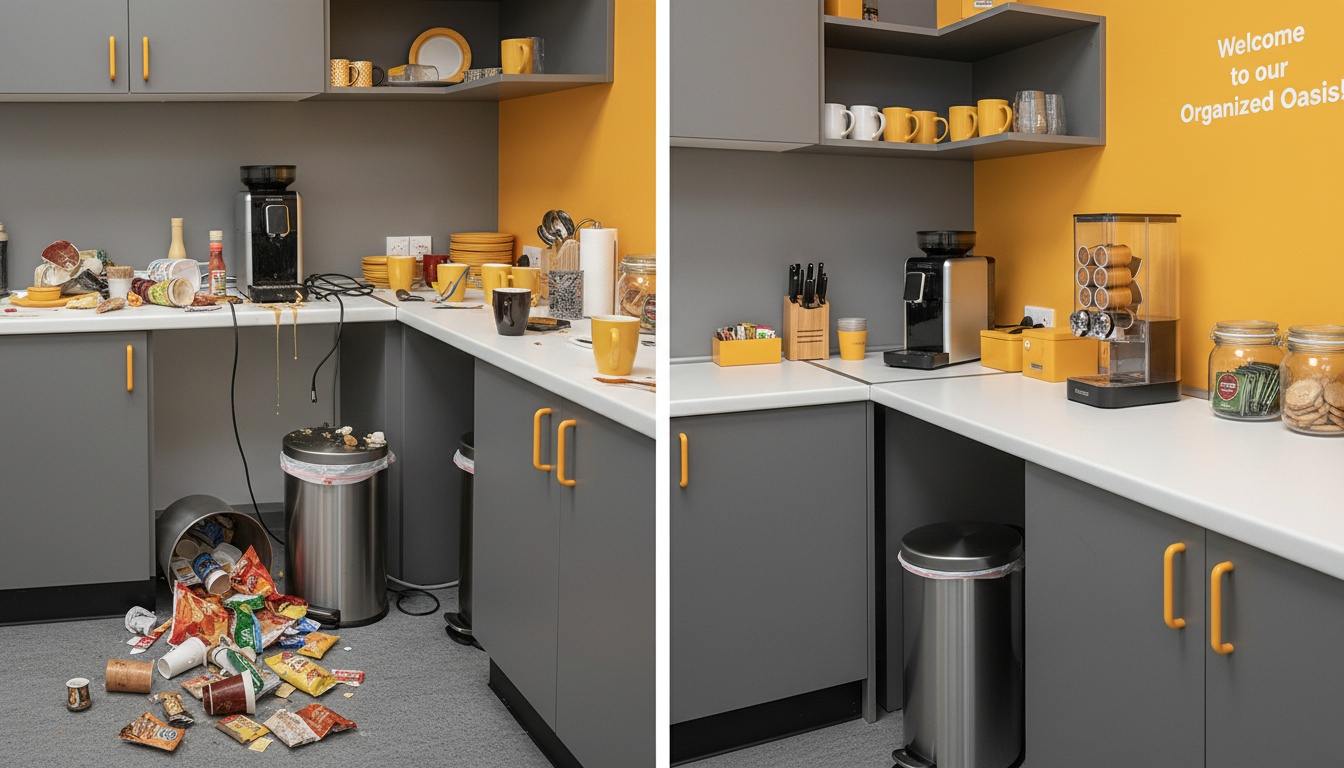
- They clean what’s visible, not what’s touched (handles/buttons are ignored)
- They use one rag everywhere 😬 (cross-contamination)
- They “disinfect” on top of grease/dust (doesn’t work well)
- They forget shared tech (printers, phones, remotes)
- They don’t assign ownership (so it becomes nobody’s job)
This is why professional teams rely on checklists and zones—it removes guesswork and keeps standards consistent.
When it’s time to bring in professionals (and what to expect)
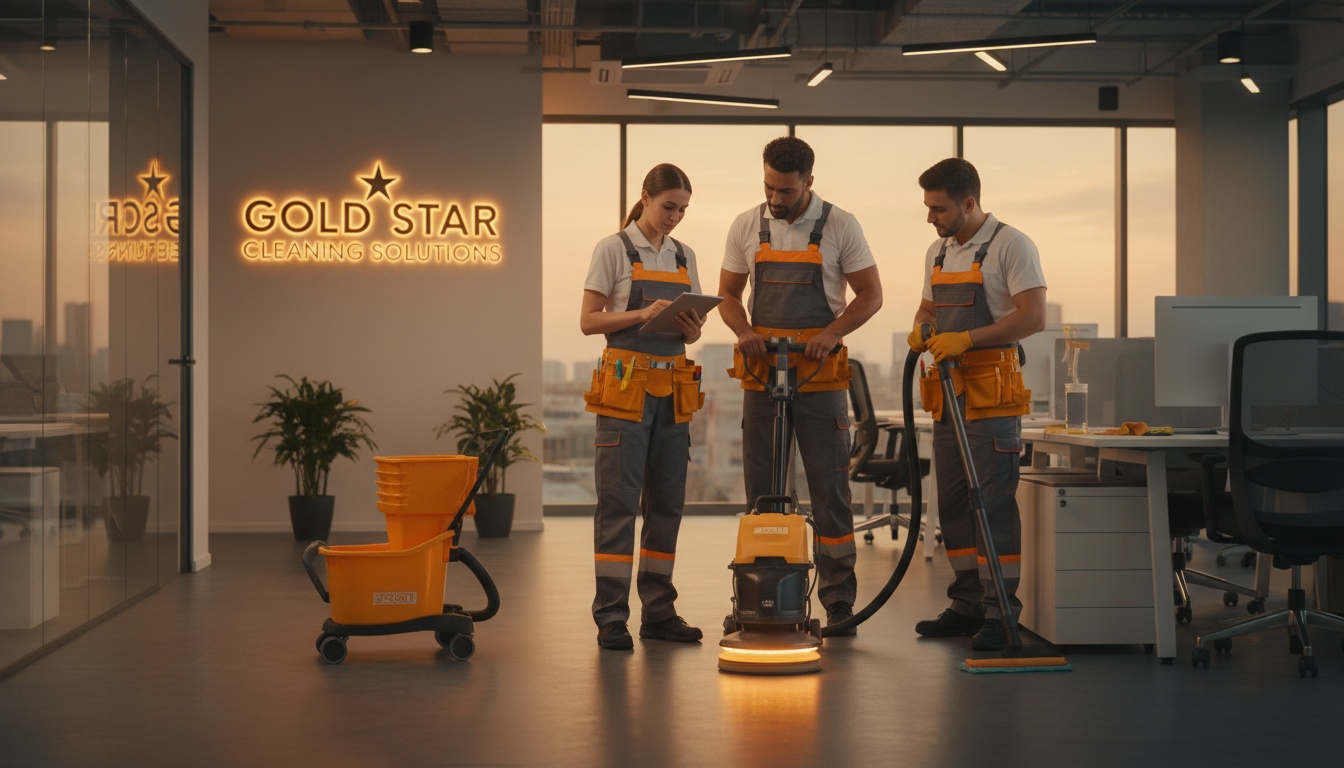
If your office is growing, client-facing, or simply tired of inconsistent cleaning, outsourcing isn’t “extra.” It’s operational discipline.
Professional office cleaning is especially worth it when:
- Your team is too busy and cleaning tasks are becoming resentful
- You need a consistent standard (not “depende kinsa”)
- You have carpets, fabric chairs, or odor issues
- You want cleaning that doesn’t interrupt your workday
You can explore options on PrimeShineCDO Cleaning Services’ service menu. If you prefer talking through your office size, schedule, and priorities, use the contact page to request a quote.
The bottom line: prioritize touch, shared space, and habits
If you remember one thing, make it this:
- High-touch points reduce sickness spread fast ✅
- Shared areas protect your brand and comfort ✅
- Daily habits stop mess from forming in the first place ✅
That’s the real strategy behind office cleaning priorities for small businesses: high-touch points, shared areas, and daily habits—less wasted effort, better results, and a workspace that feels professional every day. 💼✨